
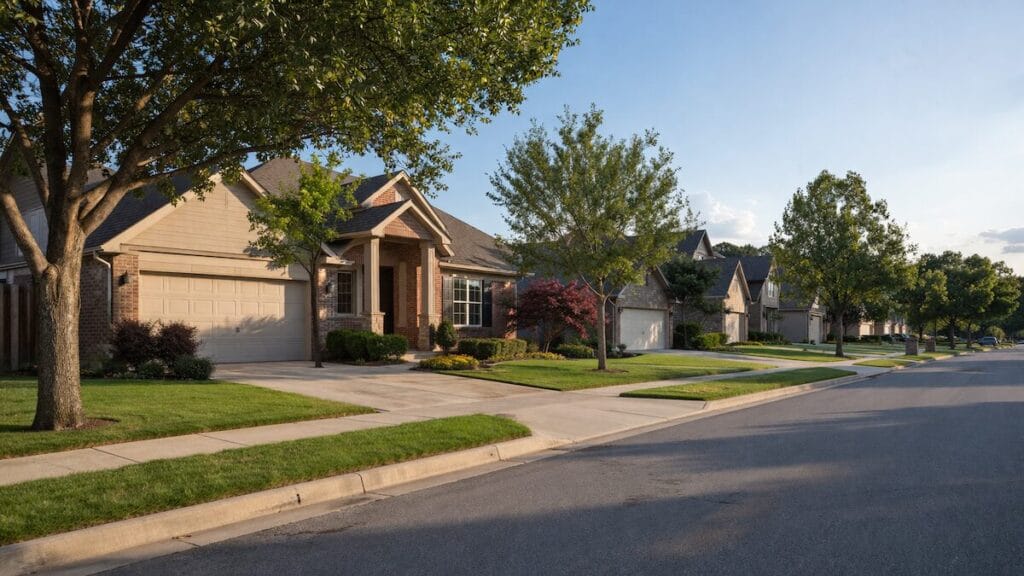
If you’re wondering how to use your home equity to fund your next move in Tulsa, you may have more buying power than you realize. Homeowners across Broken Arrow, Bixby, Jenks, Owasso, and Midtown Tulsa have watched their equity grow as values rose and mortgage balances came down. That equity isn’t just a number on a statement. It’s the tool that can fund your next down payment, lower your next payment, or let a downsizer buy outright.
The catch is that equity isn’t cash until you sell or borrow against it, and the timing of how you access it shapes your whole move. This guide covers what your equity is really worth to you, the ways to put it to work, and the HELOC questions homeowners ask most.
How Equity Works When You’re Buying Your Next Home
Home equity is the difference between what your home is worth today and what you still owe. If your home is worth $380,000 and your loan balance is $210,000, your equity is $170,000.
Three things are worth knowing before you plan around that number:
- Equity is on paper until you access it. You can’t spend it until you sell, or until you borrow against it with a HELOC or bridge loan.
- Usable equity is smaller than total equity. Selling costs, any repairs or credits negotiated with your buyer, and your loan payoff all come out before you see your proceeds.
- Lenders treat equity as collateral, not income. Even with strong equity, you still have to qualify for the next loan based on income, debt, and credit.
Not sure what your equity is? Start with how much equity Tulsa homeowners typically have, then check your home’s value for a current estimate.
Gross Equity vs. Net Proceeds
What actually funds your next purchase is your net proceeds: sale price minus your loan payoff and selling costs. Typical seller costs in the Tulsa metro include:
- Real estate commission, which is negotiated in your listing agreement
- The seller’s share of closing costs, including updating the abstract
- Pre-listing repairs and preparation
- Any concessions negotiated with your buyer
- An optional home warranty for the buyer
The fastest way to get a real number is a seller net sheet, which estimates exactly what you’ll walk away with. See the true cost of selling a home in Tulsa for how it works.

Three Ways to Use Your Equity for Your Next Move
1. Sell First and Use Your Proceeds
The simplest path. Once your home closes, your equity becomes cash you can put toward the next home. You know your exact budget and avoid carrying two homes, but you may need temporary housing in between.
2. Borrow Against Your Equity Before You Sell
A HELOC or bridge loan lets you use your equity for the next down payment before your current home sells. You pay it off from your sale proceeds. It lets you buy first and move once, but it adds debt and cost until your home sells.
3. Buy With Savings and Replenish After
Some buyers cover the down payment and closing costs from savings or investments, then refill those accounts once their current home sells.
Which one fits depends on your finances and timing. For a deeper look at that decision, read Should I Sell My Tulsa Home Before Buying, or Buy First?
How Move-Up Buyers Use Equity to Buy More Home
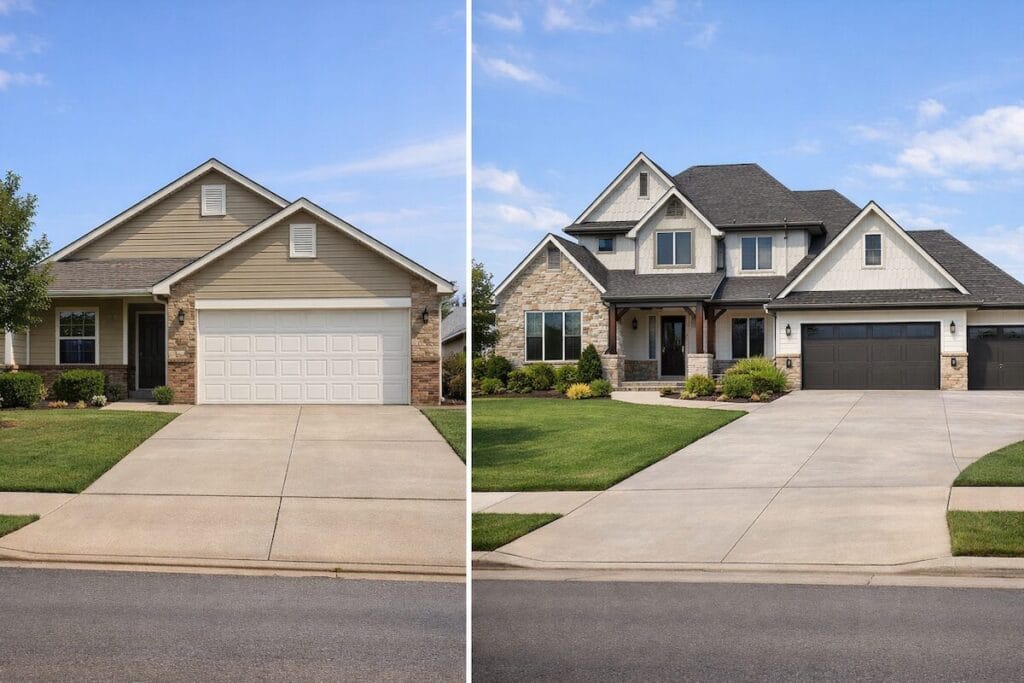
For move-up buyers, equity is usually the bridge between the home you have and the home you want. Say you bought in a Broken Arrow subdivision five years ago and need more space. Your equity can fund the down payment on a larger home in Bixby and may reduce your loan enough to keep the payment manageable at the higher price.
A larger down payment does more than lower your loan amount. Putting 20% or more down on a conventional loan avoids private mortgage insurance, which keeps your monthly payment lower.
Watch the price gap, though. The jump from your current home to your next one is often larger than expected once closing costs, moving costs, and a higher payment are added in. The Move-Up Buyers in Tulsa guide walks through those numbers.
How Downsizers Use Equity to Simplify
Downsizing is one of the most financially powerful moves a Tulsa homeowner can make, especially after 10, 15, or 20 years in the same home. Many longtime owners have a small loan balance or none at all, so they can buy their next home with a much smaller mortgage or with cash, and keep money left over.
In my experience, most Tulsa downsizers buy first, then sell. They use cash or a HELOC for the purchase, move into the new home, and sell the old one empty and ready to show.
One local consideration: moving from a larger home in Owasso or east Broken Arrow to a smaller home closer to South Tulsa’s amenities can mean a higher price per square foot. Run the numbers before you fall in love with a floor plan. For more on timing, read how to sell and buy at the same time when downsizing, or explore the Right-Sizing Guide.
HELOC Questions Tulsa Homeowners Ask
A home equity line of credit lets you borrow against your equity as needed, up to a set limit, while you still own your home. For a buyer, it’s most often used to fund the next down payment before the current home sells. The Consumer Financial Protection Bureau’s HELOC guide covers the basics.
Can I get a HELOC after my home is listed?
Often not. Many lenders won’t open a new HELOC on a home that’s listed for sale. If you plan to use one, apply before you list.
How long does a HELOC take to close?
It varies by lender, but expect the process to take a few weeks, including an appraisal or valuation. Start early so it’s in place before you list or make an offer.
Is HELOC interest tax deductible?
Under current IRS rules, HELOC interest is generally deductible only when the money is used to buy, build, or substantially improve the home that secures the loan. Using a HELOC on your current home to buy a different home usually doesn’t meet that test. See IRS Publication 936, and confirm your situation with a tax professional.
What happens to my HELOC when I sell?
The balance is paid off at closing from your sale proceeds, along with your mortgage.
What are the pros and cons of using a HELOC to buy first?
Pros: you can make a stronger offer without a home-sale contingency, move once, and sell your current home empty. Cons: you pay interest until your home sells, rates are usually variable, and you carry more debt if the sale takes longer than planned.
What about a bridge loan?
A bridge loan is short-term financing secured by your current home to cover the gap until it sells. It usually costs more than a HELOC, with higher rates and fees, so it’s typically used when a HELOC isn’t available.
Frequently Asked Questions
How do I know how much equity I have in my Tulsa home?
Get a current market value, then subtract your loan payoff, which your lender can provide. Online estimates are a rough starting point but can miss by tens of thousands of dollars in Tulsa’s neighborhood-by-neighborhood market. A comparative market analysis based on recent nearby sales is far more accurate.
Can I buy my next home before selling my current one?
Yes, if you can access your equity or savings for the down payment and qualify for the new loan. Many Tulsa downsizers do exactly that. Move-up buyers who need their sale proceeds more often sell first or use a home-sale contingency.
Does my equity affect the loan I qualify for?
Yes. A larger down payment reduces the loan amount, which can lower your payment, help you avoid PMI, and improve your loan options. Your lender will explain when your sale proceeds can be counted toward the purchase, so talk with them before you list.
What if my home needs work before I sell?
Not every home needs a renovation before listing. Paint, fixtures, cleaning, and staging often return more than expensive remodels, and many buyers will purchase as-is when the price reflects the condition.
Find Out What Your Equity Can Do for You
Your Tulsa home may be holding more potential than you think. Whether you’re moving up, right-sizing, or just exploring your options, knowing your equity and your net proceeds is the smartest first step.
Find out what your Tulsa home is worth, or schedule a low-pressure planning call to map out your next move.