
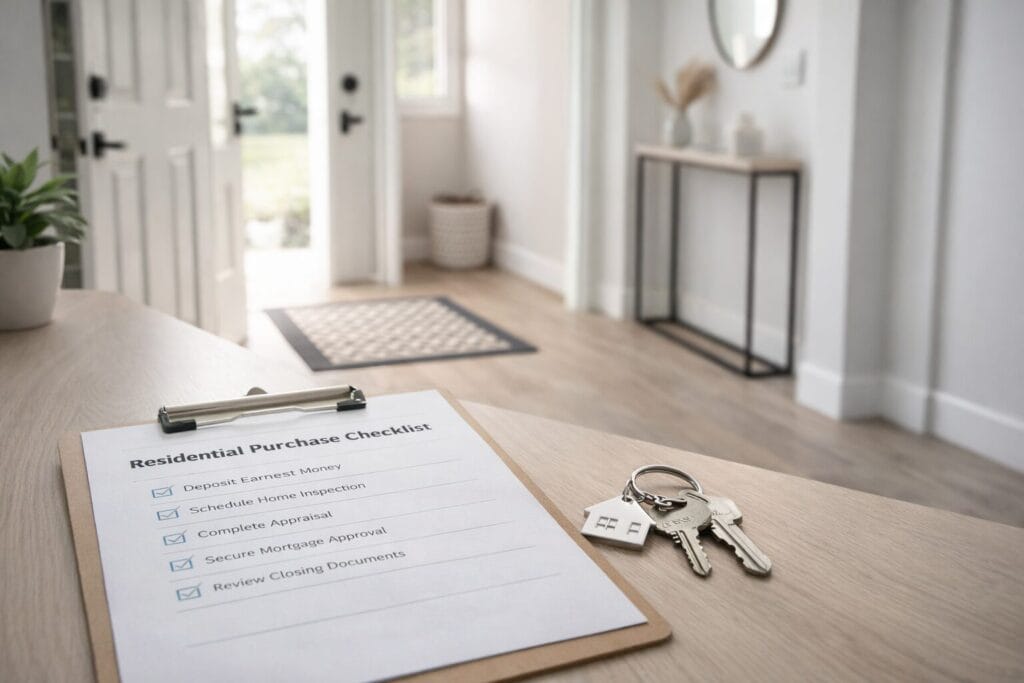
You did it! The seller said “yes,” the signatures are all gathered, and you are officially under contract. If you’re feeling a mix of pure excitement and a little bit of “Wait, what do I do now?”—don’t worry. That is completely normal.
I’ve been helping families buy and sell homes in the Tulsa metro area since 1999, and if there’s one thing I’ve learned living here in Broken Arrow for nearly 30 years, it’s that our Oklahoma real estate process is all about the details (and the deadlines!).
In Oklahoma, once your offer is accepted, we move into a fast-paced “contingency phase.” It’s my job to keep us on track, but it helps to know what’s coming. Here is your step-by-step guide to everything that happens between “Yes” and “Welcome Home.”
1. When Your Offer Becomes a Binding Contract
If you’re buying a home, it’s common to ask what happens after your offer is accepted in Oklahoma. While getting an accepted offer is an exciting moment, it’s also when the real work begins. From this point forward, the transaction follows a structured, deadline-driven process that leads from contract to closing.
In Oklahoma, the period between acceptance and closing includes inspections, appraisal, financing, title work, and final preparations for ownership. Each step serves a specific purpose, and understanding how they fit together can help you stay organized and make informed decisions along the way.
This guide walks through what typically happens after an offer is accepted, in the order it usually occurs. Whether you’re buying your first home or have purchased before, knowing what to expect next can help reduce uncertainty and keep the process moving smoothly.
If you’re early in the process or still planning your purchase, explore this complete First-Time Homebuyer Guide to understand the Tulsa-area home buying process from start to finish. You can also browse available properties using the Home Search to see what’s currently on the market across the Tulsa metro area.
2. Understanding Your Deadlines
In Oklahoma, we deal with two significant “start dates” that buyers often find confusing:
-
The Execution Date: The day the last person signed and the deal became official. This date triggers your deadline for delivering your earnest money.
-
The Time Reference Date (TRD): This is a specific date written into your contract (usually just a day or two after signing). Think of the TRD as “Day Zero” for your inspection period and your financing timeline.
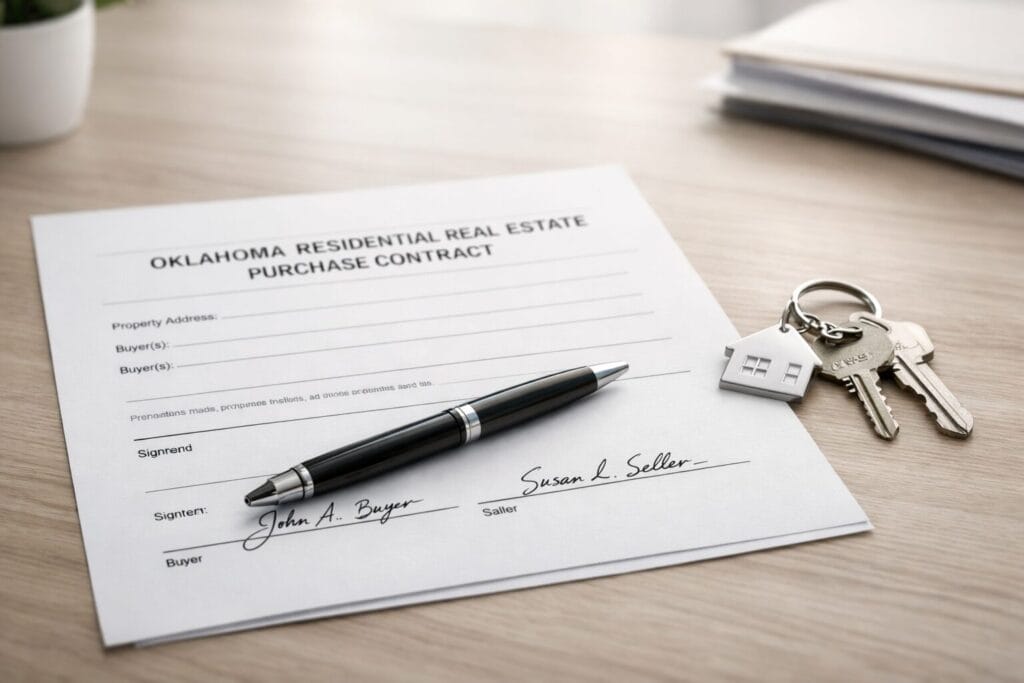
3. Earnest Money: What It Is and Why It Matters
The very first thing we have to do is get your Earnest Money delivered. In Oklahoma, this is typically due within 3 days of the contract being fully executed.
This money is held in a neutral trust account (usually at the title company) and remains there until closing, when it is applied toward your closing costs or down payment. Meeting this deadline is important because late delivery can place the contract at risk. Your real estate agent will confirm where the funds should be sent and help ensure the process is handled correctly.
4. The Inspection Period and Buyer Decision
Once we hit our Time Reference Date (TRD), your Inspection Period officially begins. Usually, we have 10 days (confirm in your contract of sale) from the TRD to find out everything we can about the house.
This is your inspection window. You aren’t just looking at paint colors anymore; we are bringing in the pros to look at the “bones” of the house. As your agent, I’ll help you coordinate these so we stay within our inspection window.
5. Additional Inspections You Might Choose
While a general home inspection covers the basics, living in Oklahoma means we have some unique things to look out for. Depending on the house, I might suggest:
-
Termite Inspection: A must in our area!
-
Sewer or Plumbing Inspections: Especially important for those charming older homes in Midtown Tulsa or Sapulpa.
-
Roof Inspections: Because we all know how our Oklahoma spring weather can be.
-
Foundation/Structural: Our Oklahoma clay soil can be tricky, so we want to make sure the house is sitting on a solid foundation.

6. Reviewing Inspection Results and Next Steps
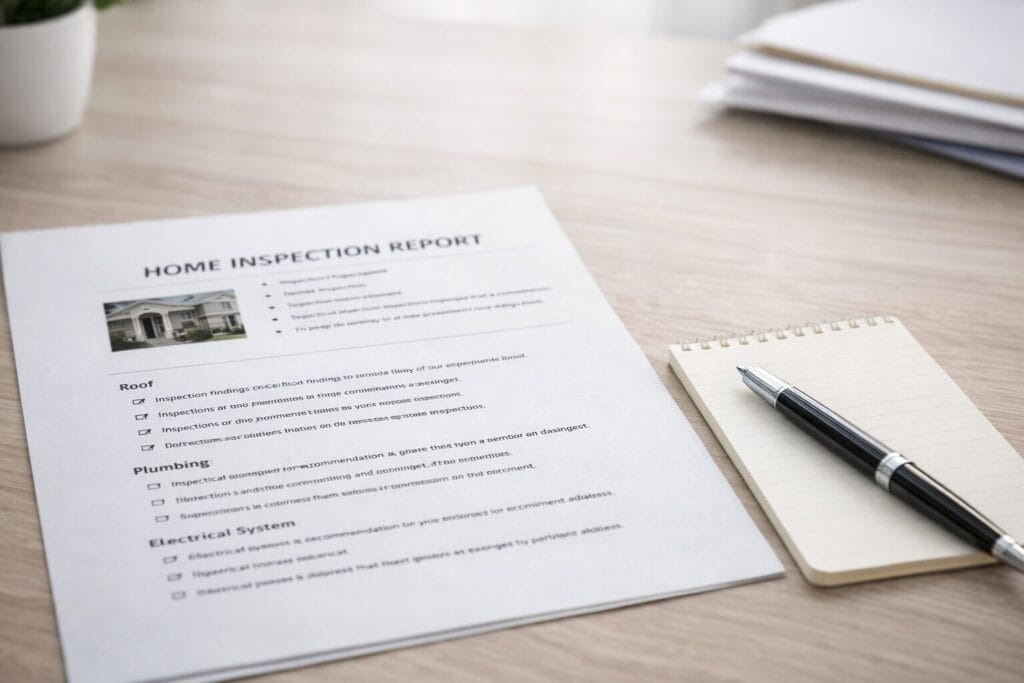
Once the inspections are complete, you will receive detailed reports on the home’s condition. These reports can be long and sometimes look a little scary! My job is to help you go through them with a clear head.
In Oklahoma, we generally look for safety issues, structural problems, or major systems that aren’t working as they should (like a furnace that won’t kick on). We aren’t usually worried about a loose cabinet knob—we’re focused on making sure your new home is solid and safe. It’s important to remember that no home is perfect, even a brand-new one.
7. Your Right to Terminate or Request Repairs
This is a pivotal moment in the Oklahoma contract. After the inspections are done, you have two main paths:
-
Path A: Terminate the Contract. If the inspections reveal issues that are simply too much for you to take on, you have the right to cancel the contract and receive your earnest money back (as long as we are within the inspection timeframe).
-
Path B: Request Repairs. If you still love the home but want the seller to address specific defects, we move into the Repair Request phase.
We will formally submit a list of items we’d like the seller to fix. The seller can agree to the repairs, offer a credit toward your closing costs, or decline to make some or all of the repairs requested. With my experience in the Tulsa market since 1999, I’ll help you navigate these negotiations to ensure your interests are protected and the deal stays on track.
8. Moving Forward After Inspections
Once you and the seller reach a written agreement on the repairs, the inspection contingency is satisfied. This is a huge milestone! It means you’ve done your due diligence and you are officially moving toward the finish line.
If you’re still in the early stages and want to see what’s available in our neck of the woods, you can browse current listings here.
9. The Appraisal: What Is the House Worth?
While we’re working on inspections, your lender will order an Appraisal. An appraiser’s job is to make sure the home is worth the price you’re paying. They look at “comparables”—similar homes nearby that have recently sold.
In our active Oklahoma market, this is a key step. The bank wants to be sure the home’s actual value backs their investment (and yours!).
10. What If the Appraisal Comes in Low?
Sometimes, an appraisal comes in lower than the contract price. If that happens, don’t panic. We have options! We can:
-
Ask the seller to lower the price to match the appraisal.
-
See if you’d like to pay the difference (if it’s a home you can’t lose).
-
Meet somewhere in the middle.
-
If we can’t reach an agreement, you usually have the right to cancel and keep your earnest money.
11. Loan Processing and the “Final Approval.”
While the house is being vetted, your lender is busy in the background doing “Underwriting.” This is just a fancy way of saying they are double-checking all the paperwork to give the final “Clear to Close.” They’ll verify your employment, credit, and bank statements one last time. It’s the “quiet phase” of the contract, but it’s when the most work is happening behind the scenes.
12. Important Financial “Don’ts” Before Closing
To keep your loan on track, please follow these “Deborah-approved” rules:
-
Don’t buy a new car or a house full of furniture on credit yet.
-
Don’t quit your job or change careers.
-
Don’t move large amounts of money between accounts without a paper trail.
-
Do keep paying all your bills on time!
=> Read The 10 Commandments: What NOT to Do When You’re Under Contract to Buy a Home
13. Title Work: Ensuring a Clear Path
While we’re doing our part, a Title Company is working to ensure the seller has the legal right to sell the home. They look for old liens, unpaid taxes, or boundary disputes. You’ll also get title insurance, which protects you from any ownership “surprises” down the road.
14. Property Surveys in Oklahoma
In many Oklahoma transactions, a survey is performed to show your exact property lines. This is especially important if you’re planning to add a fence or a pool in your new Broken Arrow or Jenks backyard! It ensures you know exactly where your land begins and ends.
15. Preparing for the Big Day
As we get closer to the finish line, you’ll need to:
-
Secure Homeowners Insurance: Your lender will need this before they fund the loan.
-
Transfer Utilities: Contact companies like PSO or Oklahoma Natural Gas, Water, Sewer, Trash, Internet to have services switched to your name on closing day.
16. The Final Walk-Through
Usually within 24 hours of closing, we’ll go back to the house for a final walk-through. We’re making sure the home is in the same condition as when we signed the contract and that all agreed-upon repairs were completed.
17. Closing Day: The Best Day!
In Oklahoma, we usually close at a title company. You’ll bring your ID and your “closing funds” (usually a wire or cashier’s check). You’ll sign a stack of papers, and once the lender “funds” the loan, you get the keys!

18. Recording and Getting the Keys
Once the paperwork is signed and the money is transferred, the title company “records” the deed with the county. In Oklahoma, you typically get the keys as soon as the loan is funded, which often happens the same day you sign.
19. After Closing: Welcome to the Neighborhood!
The boxes are unpacked—now what? Don’t forget to file for your Homestead Exemption at the County Assessor’s office. This is a great Oklahoma perk that can save you money on your property taxes every year.
Conclusion
Understanding what happens after your offer is accepted in Oklahoma can make the home-buying process feel far more manageable. From the moment your offer becomes a binding contract through inspections, appraisal, financing, title work, and closing, each step serves a specific purpose in protecting both the buyer and the transaction itself.
While the process involves multiple deadlines and decisions, knowing what to expect helps reduce uncertainty and allows you to move forward with confidence. Having a knowledgeable local real estate agent guiding timelines, communication, and next steps can make a meaningful difference throughout the contract-to-closing period.
If you’re early in the process, explore this complete First-Time Homebuyer Guide to learn what to expect from start to finish. When you’re ready to take the next step, you can browse available homes using the Home Search or schedule a conversation through the Appointment page to discuss your plans in more detail.