
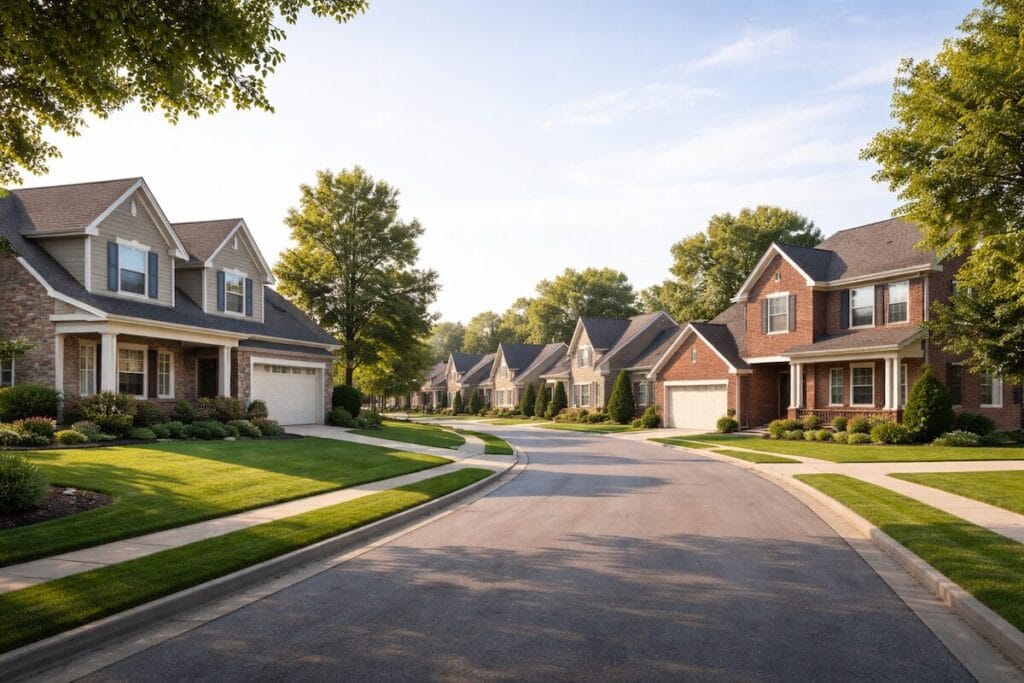
Buying a home in the Tulsa area comes with an essential early decision that many buyers don’t expect to feel so complicated: choosing between new construction and a resale home. At first glance, the difference seems straightforward. New construction offers modern layouts, energy efficiency, and the appeal of being the first owner, while resale homes often provide established neighborhoods, mature landscaping, and a sense of character that’s hard to replicate. In reality, the decision involves far more than just age and appearance.
For first-time buyers, move-up buyers, and downsizers alike, the choice between Tulsa new construction vs resale homes affects budget, timeline, lifestyle, and long-term comfort. The right answer depends on how you plan to live in the home, how flexible your timing is, and how much predictability you want in the process. Many buyers assume one option is “better,” only to realize later that it doesn’t align with their priorities or expectations.
In the Tulsa metro, including Broken Arrow, Bixby, Jenks, and Owasso, new construction continues to expand outward, while resale homes dominate established neighborhoods closer to employment centers, schools, and amenities. Pricing, incentives, and availability can shift quickly depending on the season and broader market conditions. What made sense for buyers a year ago may not be the best fit today.
This guide walks through the fundamental differences between buying new construction in Tulsa and purchasing a resale home. We’ll cover costs, timelines, customization, inspections, and resale value, along with common misconceptions that often trip buyers up. The goal is to help you make a confident, informed decision based on how you actually want to live — not just what looks good on paper.
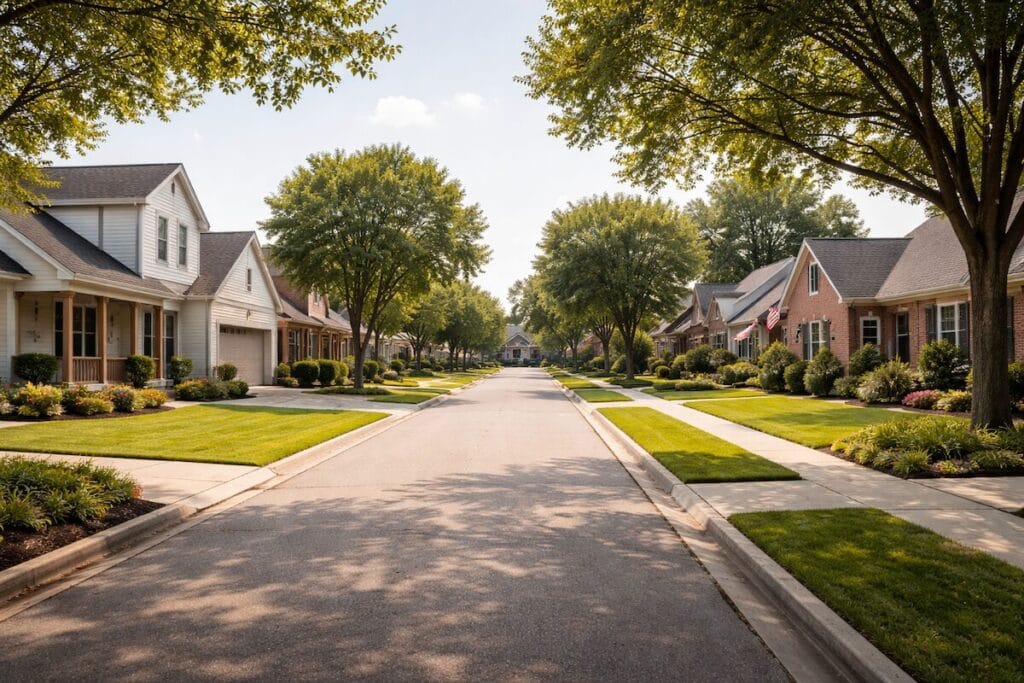
If you’re early in the process, it can help to see what’s actually available across both options. Looking at real listings often makes the differences between new construction and resale homes much clearer. You can browse current homes for sale across Tulsa and nearby suburbs to get a feel for pricing, locations, and styles.
Understanding New Construction Homes in the Tulsa Area
New construction homes in the Tulsa metro are typically located in developing neighborhoods on the edges of town or in fast-growing suburbs. Builders focus on efficiency, modern design, and features that appeal to today’s buyers, such as open floor plans, energy-efficient systems, and flexible spaces for work or guests. These homes often feel bright, clean, and move-in ready, which can be especially appealing to buyers who want minimal upfront maintenance.
One important thing to understand is that not all new construction is the same. Some buyers purchase spec homes that are already built or near completion, while others build from the ground up and make design selections along the way. Each option comes with different timelines, levels of customization, and risks. A spec home may be ready in weeks, while a fully custom build can take many months.
In Tulsa and surrounding suburbs, builders sometimes offer incentives such as closing cost assistance, interest rate buydowns, or upgrades instead of price reductions. These incentives can make buying new construction in Tulsa more affordable upfront, but they can also complicate comparisons with resale homes. Buyers should look at the full financial picture, not just the advertised base price.
New construction neighborhoods may also have homeowner’s associations, shared amenities, or ongoing development nearby. While this can mean newer infrastructure and community features, it can also mean construction noise, limited landscaping at first, and rules that affect how you use your property. Understanding these factors early helps avoid surprises after closing.
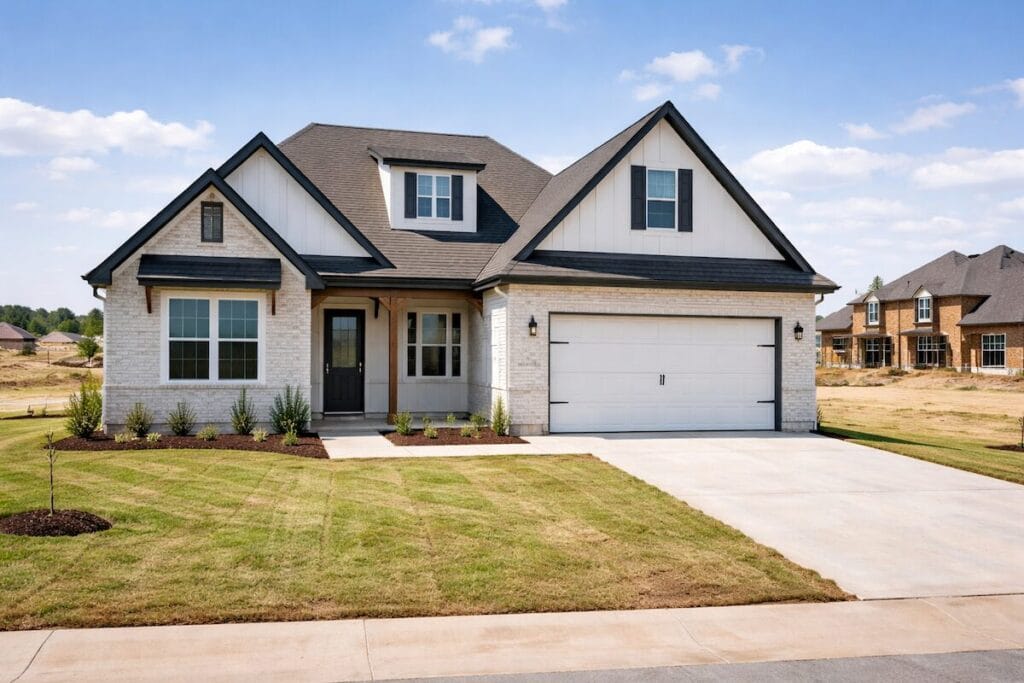
Buyers considering new construction often have questions about timing, financing, and builder incentives. This can feel especially overwhelming for first-time buyers who are comparing options for the first time. A clear overview of the buying process can help set expectations before you decide which path fits best.
What Defines a Resale Home in Tulsa’s Market
Resale homes make up the majority of housing options in Tulsa, Broken Arrow, Jenks, and many established areas of Bixby and Owasso. These homes range from just a few years old to several decades old, offering a wide variety of styles, lot sizes, and neighborhood layouts. Many buyers are drawn to resale homes because they feel more settled and connected to the surrounding community.
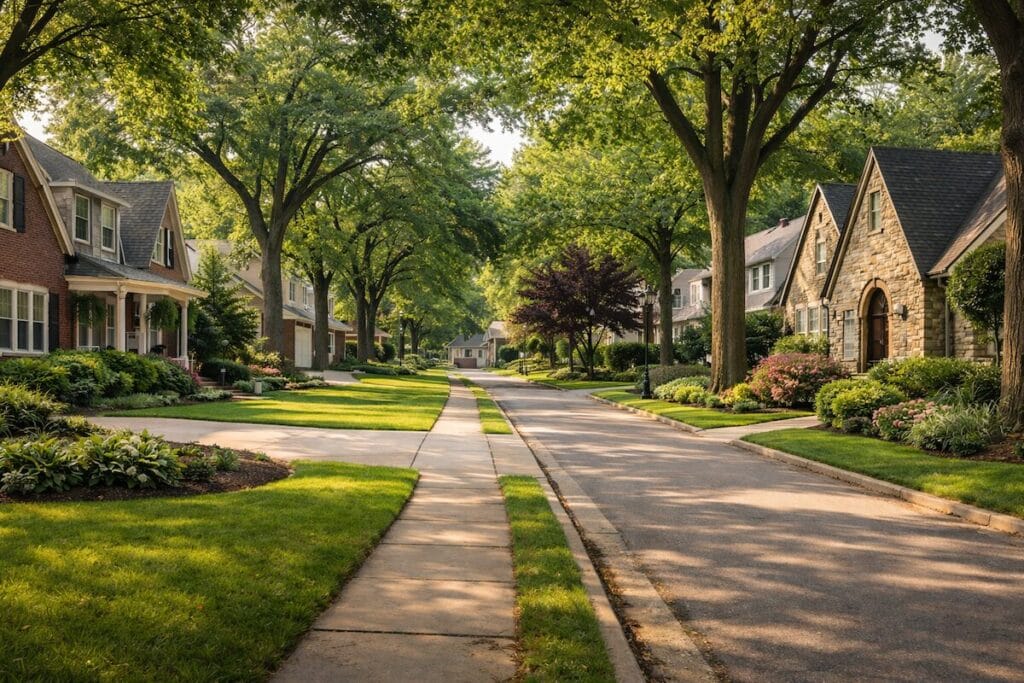
One significant advantage of resale homes is location. Established neighborhoods often have mature trees, nearby schools, and easy access to shopping, parks, and major roads. For buyers who value shorter commutes or walkable surroundings, resale homes can offer options that new construction simply can’t match. This is especially true closer to midtown Tulsa and older suburban cores.
Resale homes also come with a visible history. You can see how the house has held up over time, how the yard grows, and how the neighborhood feels during different seasons. This can make it easier to assess long-term comfort and resale potential. However, it also means you may need to budget for updates or repairs sooner than with a brand-new home.
In competitive markets, resale homes can involve multiple offers and quicker decision-making. Buyers should be prepared to move decisively while still protecting themselves with inspections and realistic expectations. A well-priced resale home in a desirable Tulsa neighborhood can attract strong interest, even when inventory improves.
Cost Differences: New Construction vs Resale Homes
When comparing Tulsa new construction vs resale homes, price is often the first factor buyers consider, but it’s rarely as simple as it seems. New construction homes typically have higher base prices, especially once upgrades and lot premiums are added. Buyers may also need to budget for landscaping, fencing, window treatments, and appliances that aren’t always included.
Resale homes may have a lower purchase price, but they can come with maintenance and repair costs that aren’t immediately obvious. Roof age, HVAC systems, and plumbing are all essential considerations. While inspections help uncover issues, buyers should plan for ongoing upkeep, especially in older homes.
Financing can also differ between the two options. Builders sometimes offer incentives tied to using a preferred lender, which can reduce upfront costs. On the resale side, buyers may have more flexibility with financing options and negotiation strategies. Understanding how these differences affect your monthly payment and long-term budget is key.
Here’s a simplified comparison to help frame the cost conversation:
| Cost Consideration | New Construction | Resale Home |
|---|---|---|
| Purchase Price | Higher base price | Often lower |
| Upfront Repairs | Minimal | Varies |
| Customization | Paid upgrades | Renovations later |
| Incentives | Builder credits | Seller concessions |
This table provides a snapshot, but it doesn’t replace a detailed budget review. Buyers should consider both short-term affordability and long-term ownership costs when deciding.

Timeline and Flexibility: How Long Each Option Takes
Timing is one of the most overlooked differences between buying new construction in Tulsa and purchasing a resale home. Resale homes typically offer more predictable timelines. Once under contract, most transactions close within 30 to 45 days, assuming inspections and financing move smoothly. This can be ideal for buyers with specific move-in deadlines.
New construction timelines vary widely. A spec home that’s nearly complete may be ready quickly, while a home built from scratch can take six months or longer. Delays due to weather, materials, or labor shortages are not uncommon. Buyers need to be comfortable with some uncertainty and flexibility.
For move-up buyers who need to sell an existing home, timing becomes even more important. Coordinating a sale with a new construction completion date can be tricky. Some buyers arrange temporary housing or negotiate extended closings, but these solutions require planning and clear communication.
Downsizers often value simplicity and certainty. In many cases, a resale home offers a smoother transition with fewer unknowns. However, some downsizers prefer new construction for its low maintenance and modern accessibility features. Understanding how timing aligns with your lifestyle is just as important as the home itself.
Customization, Layouts, and Lifestyle Fit
One of the biggest draws of new construction is customization. Buyers can often choose finishes, layouts, and features that suit their preferences. Open kitchens, larger closets, and flexible bonus spaces are common. For buyers who want a home tailored to their lifestyle, this can be a major advantage.
Resale homes, on the other hand, offer established layouts that may or may not align with modern preferences. Some buyers love the defined spaces and architectural details, while others see renovation opportunities. It’s important to be honest about your willingness to update or adapt a home over time.
Lifestyle fit goes beyond floor plans. Consider how you use outdoor space, how close you want to be to neighbors, and whether you value privacy or community amenities. New construction neighborhoods may feel uniform at first, while resale neighborhoods often offer more variety and personality.
Buyers should also think about future needs. A home that works today should also support changes in family size, mobility, or work-from-home arrangements. Choosing between new construction and resale isn’t just about now — it’s about how the home supports your next chapter.
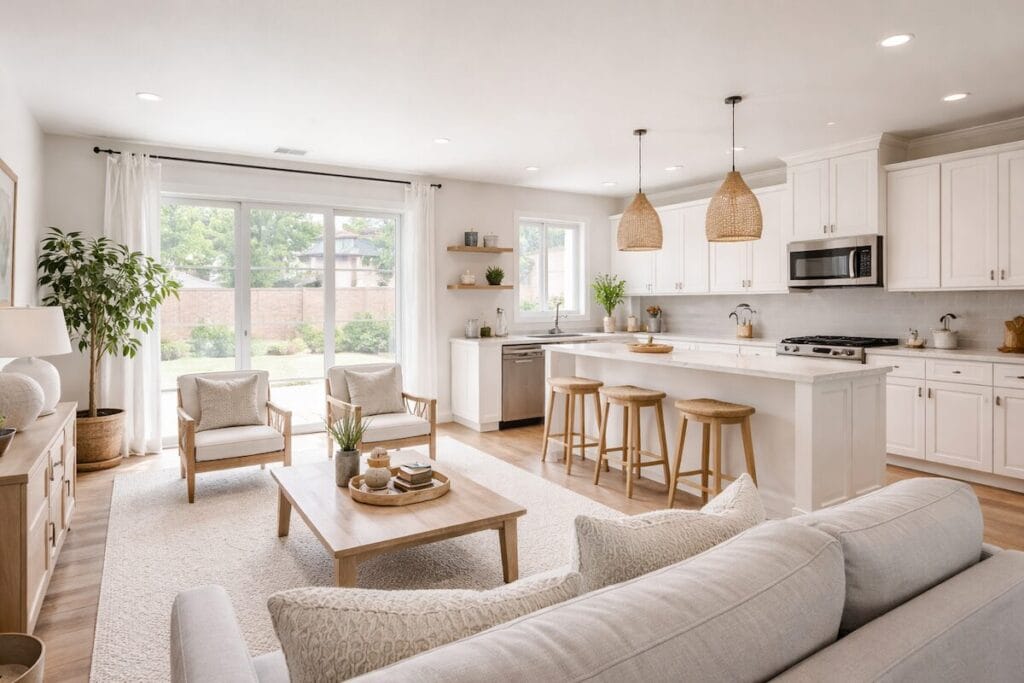
Inspections, Warranties, and Peace of Mind
Many buyers assume new construction doesn’t need inspections, but that’s a misconception. Even brand-new homes can have issues, from minor cosmetic flaws to more significant concerns. Independent inspections provide valuable peace of mind and help ensure the home meets quality standards.
New construction homes often come with builder warranties covering workmanship and major systems for a set period. These warranties can reduce early maintenance costs, but buyers should read the details carefully. Not all issues are covered, and warranty processes vary by builder.
Resale homes rely more heavily on inspections to assess condition. While there may be no warranty, buyers can negotiate repairs or credits based on inspection findings. This process helps balance risk and provides clarity before closing.
Peace of mind looks different for each buyer. Some feel reassured by warranties and new systems, while others trust the proven durability of an older home. Understanding your comfort level with risk and responsibility helps guide the decision.
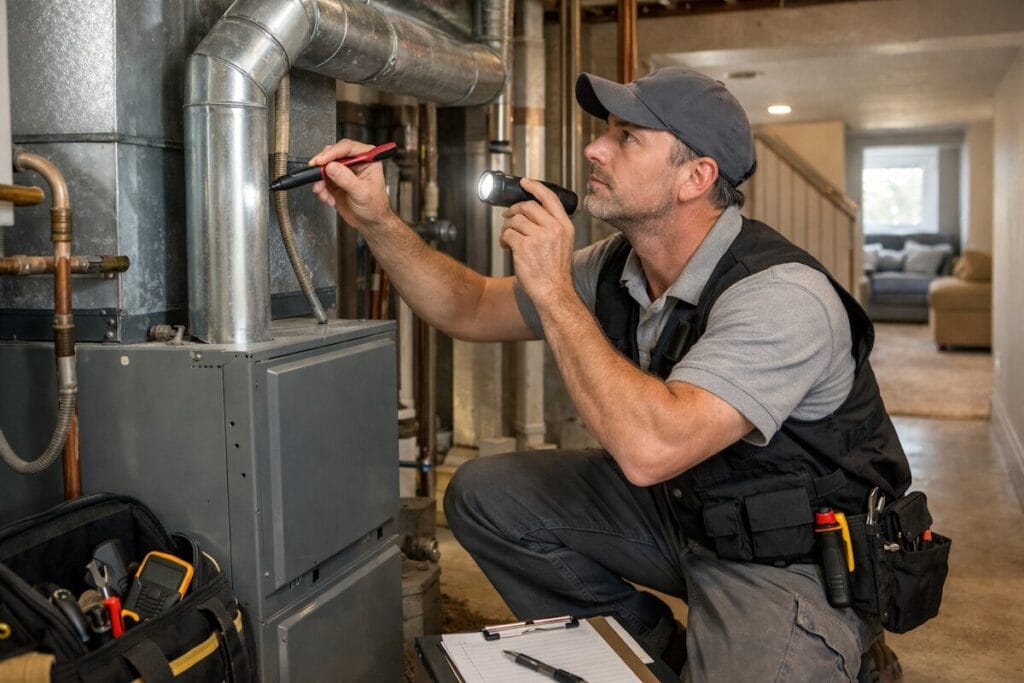
Neighborhood Growth, Schools, and Long-Term Value
Location plays a major role in long-term satisfaction and resale value. New construction often occurs in growing areas where schools, roads, and amenities are still developing. Over time, these areas may gain value, but growth can take patience.
Resale homes in established neighborhoods often benefit from stable school zones, mature infrastructure, and proven demand. Buyers who prioritize predictability may lean toward these areas. However, inventory can be limited, and competition may be stronger.
School districts, commute patterns, and community amenities all influence value. Buyers should research not just the home, but the surrounding area and its trajectory. Local market knowledge is especially helpful here.
For buyers thinking long-term, resale value matters. Both new construction and resale homes can appreciate well, but the factors driving that appreciation differ. Understanding these nuances helps protect your investment.
Common Buyer Misconceptions to Avoid
One common misconception is that new construction is always more expensive. While base prices may be higher, incentives and lower maintenance can balance costs. Buyers should look beyond headlines and compare full ownership costs.
Another myth is that resale homes are outdated or problematic. Many resale homes have been updated and well-maintained. Assuming older means inferior can cause buyers to overlook great opportunities.
Some buyers also believe they need to choose quickly or risk missing out. While decisiveness matters, rushing without clarity often leads to regret. Taking time to understand options leads to better outcomes.
Addressing these misconceptions early helps buyers feel confident and prepared. Education is one of the most powerful tools in the homebuying process.

FAQs About Tulsa New Construction vs Resale Homes
Is buying new construction in Tulsa better for first-time buyers?
For some first-time buyers, new construction offers simplicity, predictable maintenance, and modern features. However, it may come with higher upfront costs and longer timelines. Resale homes can offer more location options and faster closings. The best choice depends on budget, timing, and comfort with decision-making.
Are builder incentives always a better deal?
Builder incentives can be helpful, but they’re not always the best option for every buyer. Incentives may be tied to specific lenders or pricing structures. Buyers should compare offers carefully and understand how incentives affect the overall cost.
Do resale homes require more repairs right away?
Not necessarily. Many resale homes are move-in ready, especially if they’ve been well maintained. Inspections help identify potential issues, allowing buyers to plan accordingly. Age alone doesn’t determine condition.
Which option has better resale value long term?
Both new construction and resale homes can appreciate well in the Tulsa market. Location, condition, and market timing matter more than age. Buyers should focus on overall fit and demand trends.
Next Steps: Making the Right Choice for You
Choosing between Tulsa new construction vs resale homes is a personal decision shaped by budget, lifestyle, and timing. There’s no one-size-fits-all answer, and that’s okay. The most successful buyers are those who understand their priorities and seek guidance tailored to their situation.
If you’re early in the process, exploring listings through a trusted home search can help you see what’s available across both options. First-time buyers may also benefit from a detailed first-time homebuyer guide that walks through financing and expectations. Sellers considering a move may want to check their current home value to understand buying power.
A low-pressure conversation can often clarify which path makes the most sense. Whether you’re just gathering information or ready to take the next step, having local insight makes the process smoother and more confident.
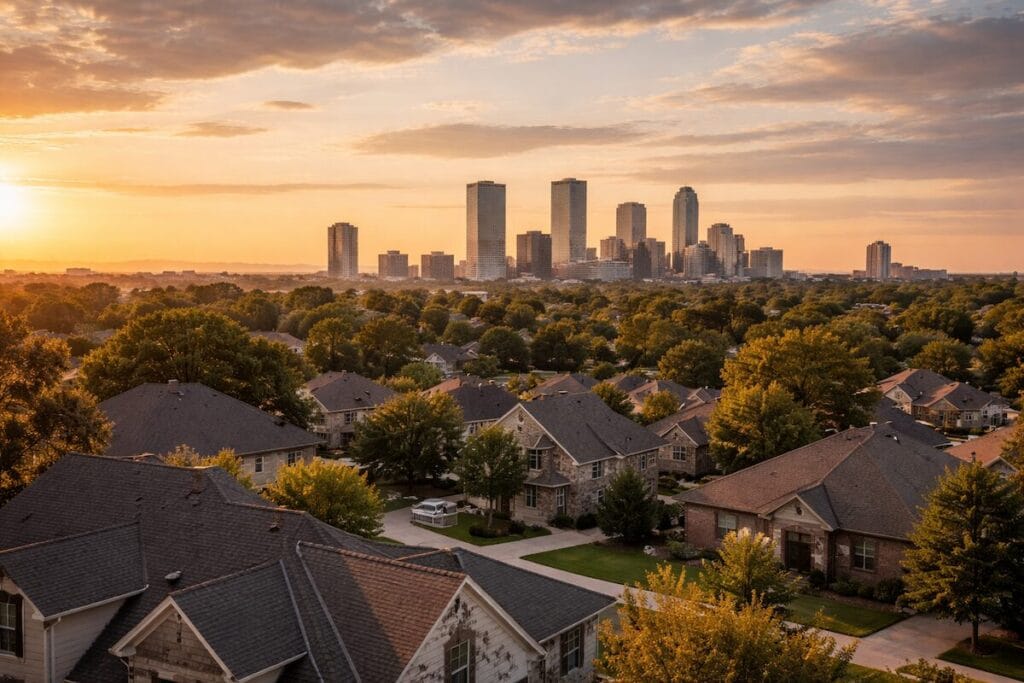
Next Steps for Buyers Considering New Construction or Resale
As you think through the differences between new construction and resale homes, it can be helpful to take small, practical next steps rather than trying to decide everything at once. Seeing real listings, understanding your budget range, and talking through timing scenarios often brings clarity much faster than reading general advice alone. The goal isn’t to rush a decision, but to feel confident that you’re weighing the right factors for your situation.
Final Thoughts on Choosing Between New Construction and Resale
Deciding between Tulsa new construction vs resale homes isn’t about choosing the “right” option on paper. It’s about choosing the option that fits your life, your timeline, and your comfort level. New construction offers modern features and predictability in maintenance, but often requires flexibility and patience. Resale homes provide established neighborhoods and quicker move-in timelines, but may involve updates or repairs sooner.
What matters most is understanding why each difference exists and how it affects you personally. Buyers who feel confident in their decision are usually those who took the time to explore both options, ask questions, and align their choice with how they plan to live day to day. Whether you’re buying your first home, moving up, or downsizing, clarity beats speed every time.
As the Tulsa housing market continues to evolve, both new construction and resale homes will play important roles. Staying informed and realistic will help you navigate that market with confidence. When you’re ready, the next step doesn’t have to be big — it just has to move you forward with clarity. If you’re ready to talk through your options, a low-pressure conversation can help you compare neighborhoods, timelines, and budget scenarios with clarity. When you’re ready, you can reach out here. 👉 Contact page