
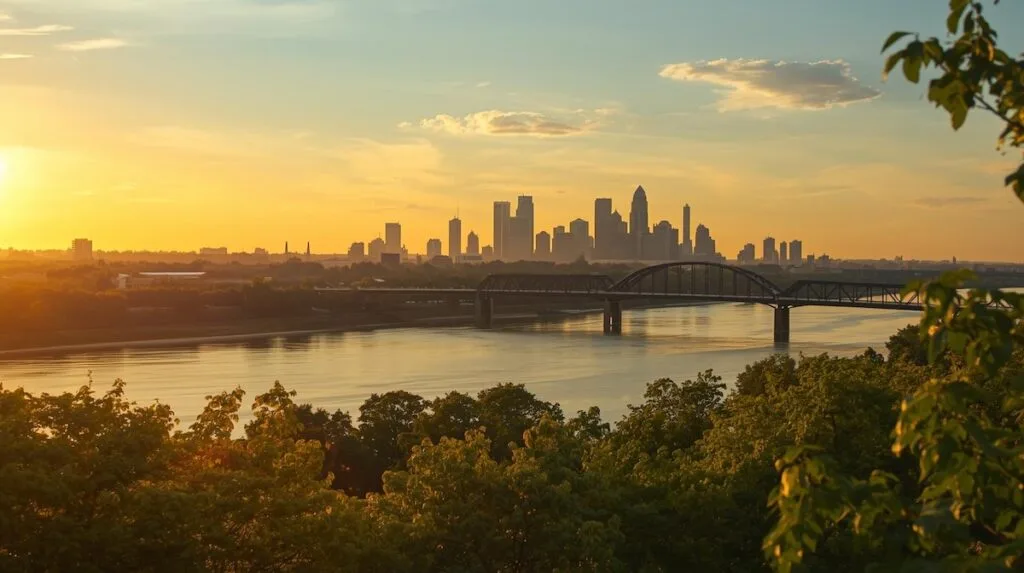
Why Tulsa Is a Great Place to Call Home
Tulsa is one of those rare cities that manages to feel both vibrant and relaxed at the same time. It’s big enough to offer award-winning parks, a thriving food scene, and a strong economy — yet small enough that you can get almost anywhere in 20 to 30 minutes. The balance of culture, convenience, affordability, and community is what makes the Tulsa neighborhoods and lifestyle experience truly unique.
Over the past decade, Tulsa has consistently been recognized on national “Best Places to Live” lists, and for good reason. The area has grown rapidly while holding onto the qualities people love most: friendliness, space, and a sense of possibility. Whether you’re drawn to historic Midtown charm, the modern amenities in South Tulsa, the scenic riverfront, or the family-oriented suburbs like Broken Arrow, Jenks, Bixby, and Owasso, the metro offers something for everyone.
As someone who has lived in the Tulsa area for nearly 30 years and helped families buy and sell homes since 1999, I’ve had a front-row seat to its transformation. I’ve watched neighborhoods blossom, new parks and entertainment districts take shape, and once-small suburbs become some of the most sought-after places to live in the state. What hasn’t changed is the core of what makes Tulsa special: people genuinely love living here.
This guide is designed to give you the full picture — not just the big selling points, but the little things that shape everyday life: how commutes feel, where people actually spend their time, the types of homes you’ll find in different areas, what schools are known for, and how neighborhoods differ in pace, personality, and amenities.
If you’re just starting your search or planning a move from out of state, you may also enjoy reading my full Relocation and Moving to Tulsa guide, which breaks down everything from choosing a neighborhood to understanding cost of living.
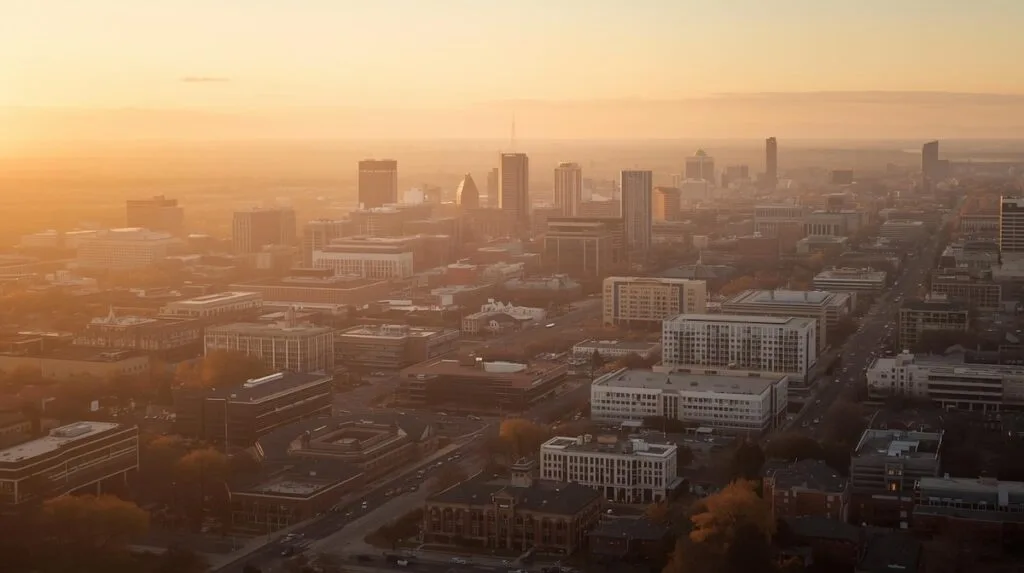
What Makes Tulsa’s Lifestyle Unique
One of the most appealing things about living in Tulsa is the balance it offers: big-city amenities without the big-city stress. People often describe Tulsa as a place where life simply feels easier — commutes are manageable, neighborhoods are friendly, homes are affordable, and the pace is comfortable without being sleepy. But the Tulsa lifestyle isn’t just about convenience. It’s about richness, culture, community, and possibility.
Affordability That Enhances Everyday Life
Compared to many metro areas across the country, Tulsa offers a notably lower cost of living — especially for housing. Buyers relocating from places like Texas, Colorado, or the West Coast are often stunned by the amount of home they can get for the price. That affordability allows people to live more comfortably, choose neighborhoods based on lifestyle rather than budget alone, and enjoy more discretionary spending for dining, entertainment, hobbies, and travel.
A Growing Food and Entertainment Scene
Tulsa’s restaurants have gained national attention for good reason. Cherry Street and Brookside offer a mix of casual eateries, brunch spots, and chef-driven concepts. The Tulsa Arts District — once a quiet corner of downtown — now buzzes with breweries, galleries, event venues, and locally owned restaurants. Mother Road Market brings a vibrant, rotating mix of food vendors and small local businesses together in one space. And throughout the metro, you’ll find mom-and-pop favorites, global cuisine, and new local creators opening something fresh every year.
Music lovers quickly discover that Tulsa punches above its weight. Between Cain’s Ballroom, the BOK Center, Guthrie Green, and dozens of local venues, there’s always something happening — from small acoustic sets to major touring artists.
Outdoor Recreation That Rivals Larger Cities
Tulsa has invested heavily in parks, trails, and community spaces in the past decade. The River Parks Trail stretches for miles along the Arkansas River, offering a beautiful space for walking, biking, and jogging. Turkey Mountain, recently expanded and revitalized, gives residents access to some of the best urban wilderness trails in the region.
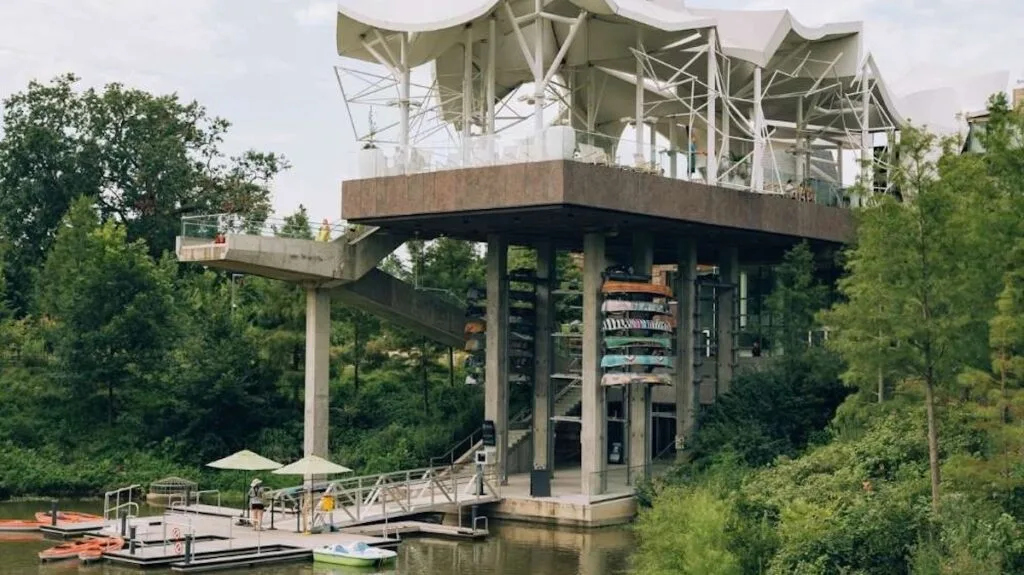
And of course, there’s Gathering Place — the award-winning, nationally recognized riverfront park that blends imaginative playgrounds, dining, gardens, sports courts, quiet pathways, and lake activities. It’s a centerpiece of Tulsa living and easily one of the most beloved amenities in the region. If you haven’t visited yet, you can learn more about its features on the official Gathering Place website.
Strong Community Culture and Local Pride
What surprises many newcomers is how warm and community-oriented Tulsa feels. Neighborhood events, school activities, farmers’ markets, festivals, and local volunteer programs keep people engaged and connected. Whether you live in Midtown, South Tulsa, Broken Arrow, Jenks, or Bixby, you’ll feel that local pride show up in everything from homecoming parades to seasonal festivals to Friday-night football games.
Residents here genuinely care about the community — and that sense of connectedness makes everyday life more enjoyable.
A Manageable Pace Without Missing Out
People often say Tulsa gives you “room to live,” and it’s true. You don’t spend hours stuck in traffic. You don’t feel priced out of the neighborhoods you love. You don’t have to sacrifice space or comfort for convenience. Instead, you get a lifestyle that feels both relaxed and full — a rare balance that keeps families, young professionals, and retirees here long-term.
Whether you’re looking for walkability, quiet suburban living, access to great schools, or proximity to entertainment and nature, the Tulsa lifestyle offers a version of comfort and convenience that’s hard to beat.
Understanding the Tulsa Metro Layout
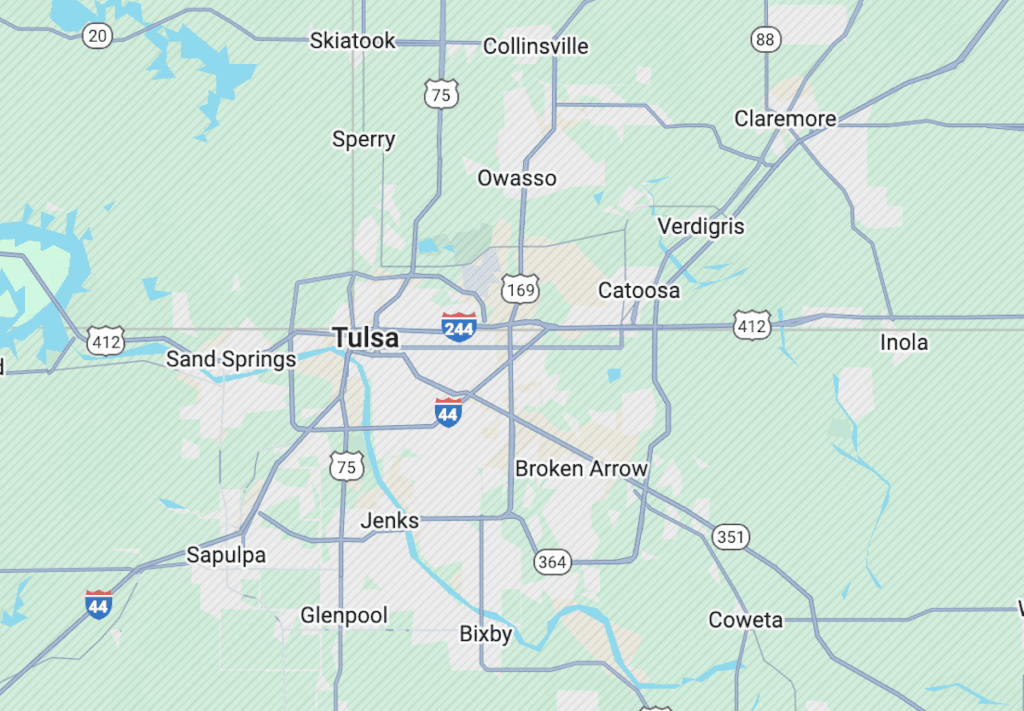
If you’re new to Tulsa — or even if you’ve lived here for years — the layout of the metro can feel surprisingly diverse. Each area has its own style, strengths, and personality, and understanding how the city fits together can make choosing the right neighborhood much easier. The beauty of Tulsa is that you can enjoy the feel of a major metropolitan area without the overwhelming scale. Everything is accessible, commutes are manageable, and you can choose a community that truly reflects your lifestyle.
The Heart of the City: Midtown Tulsa
Midtown is often described as Tulsa’s cultural heartbeat. With its historic homes, mature trees, charming architecture, and walkable streets, it offers a very different feel from the suburbs. You’re close to locally owned restaurants, breweries, coffee shops, parks, and medical campuses. Many residents love Midtown because it blends character with convenience — and it’s one of the easiest areas to navigate without spending much time on highways.
South Tulsa: Suburban Living With Modern Amenities
If you’re drawn to newer homes, strong school districts, shopping, and family-friendly neighborhoods, South Tulsa may feel like home right away. This area has grown rapidly over the past two decades, adding master-planned communities, large parks, and easy access to highways and grocery stores. It’s also one of the most popular areas for buyers who want more modern layouts, larger homes, and well-kept neighborhoods.
The Fast-Growing Suburbs: Broken Arrow, Bixby, Jenks, and Owasso
These communities each have their own unique energy, but they share several things in common: excellent schools, newer housing options, local events, and strong community pride.
Broken Arrow has the charming Rose District, plenty of parks, and a mix of older neighborhoods and new construction.
Bixby is known for its schools, quiet neighborhoods, and fast growth.
Jenks draws people with its top-rated school district, the Riverwalk, and proximity to the Aquarium.
Owasso offers convenience, shopping, newer subdivisions, and an easy commute to most parts of Tulsa.
These suburbs are especially popular with families looking for more space and a strong community feel.
Smaller Towns With Big Personality: Coweta, Sapulpa, and Sand Springs
If you’re craving a quieter pace, more affordability, or the feel of a close-knit town, these communities can be excellent options. They each offer their own blend of small-town charm, outdoor recreation, and locally driven events. Many buyers who work in Tulsa choose these areas for the relaxed pace, larger lots, and more rural surroundings — while still enjoying a reasonable commute.
How Commutes and Daily Life Fit Into the Layout
One thing nearly everyone loves about Tulsa is how quickly you can get around. Even during peak hours, commutes are typically smoother than in many similarly sized metros. Most residents find that living near a major highway — like the Creek Turnpike, Highway 169, or I-44 — gives them quick access to work, schools, and shopping.
This flexibility makes it easier to prioritize lifestyle in your home search rather than feeling limited by commute times.
If you’re beginning to narrow down your options, you may find my Buying a Home in Tulsa guide helpful as you compare neighborhoods and start building your must-have list.
Popular Tulsa Neighborhoods
Tulsa’s neighborhoods each offer something a little different, which is why buyers often fall in love with areas they didn’t expect. The metro is large enough to offer historic charm, upscale suburban living, small-town communities, and even lake lifestyles — yet compact enough that everything still feels connected. Understanding the personality of each area can make it much easier to choose the right place to call home.
Midtown Tulsa
Midtown is the heart of Tulsa’s historic charm. With early-1900s Craftsman homes, mature trees, cottage-style bungalows, and walkable streets, it’s one of the most character-rich parts of the city. Residents love being close to local restaurants, coffee shops, parks, and cultural landmarks like Utica Square and the Philbrook Museum. Midtown appeals to buyers who want personality, convenience, and a central location with a lively, established neighborhood feel.
South Tulsa
South Tulsa is known for its polished suburban lifestyle — newer homes, master-planned communities, excellent schools, and an incredible amount of shopping and dining. Homes here often feature modern layouts, updated finishes, and neighborhood amenities such as pools, playgrounds, and sidewalks. Buyers choose South Tulsa for its convenience, family-friendly atmosphere, and easy access to highways and retail areas.
Broken Arrow
Broken Arrow remains one of the most popular suburbs in the entire state. With the charming Rose District, dozens of parks, strong schools, and a great mix of established neighborhoods and new construction, it offers something for everyone. The Rose District adds a walkable, modern downtown experience filled with boutiques, restaurants, breweries, and community events. If you want a blend of suburban ease and small-town charm, Broken Arrow is a standout choice. You can read my Broken Arrow neighborhood overview if you want a more detailed look at the area.
Bixby
Bixby has grown quickly while still maintaining a peaceful, almost rural feel in many areas. Known for its top-rated schools and newer developments, it attracts buyers who want space, quiet neighborhoods, and a strong sense of community. Many neighborhoods offer larger lots, scenic views, and quick access to parks and outdoor recreation. Bixby delivers a slower pace while still being close to South Tulsa conveniences.
Jenks
Jenks is extremely popular for its award-winning school district, but its lifestyle offerings are just as appealing. The Jenks Riverwalk, Oklahoma Aquarium, and strong local pride create a vibrant community feel. Housing options range from established neighborhoods to brand-new construction, giving buyers flexibility depending on their style and budget. Jenks is ideal for families who want schools, amenities, and a well-rounded suburban experience.
Owasso
Owasso offers one of the best combinations of newer housing, outstanding schools, parks, and retail convenience in the metro. With an easy commute along Highway 169, residents enjoy quick access to downtown Tulsa and major employment corridors. Owasso continues to expand with well-designed subdivisions, shopping centers, and restaurants, making it an excellent choice for buyers who want clean, polished suburban living with plenty of amenities.
Coweta, Sapulpa, and Sand Springs
For buyers wanting more affordability, more land, or a quieter lifestyle, these communities offer great alternatives. Coweta is known for its friendly, rural-suburban feel. Sapulpa blends small-town charm with growing revitalization, plus rich Route 66 history. Sand Springs offers great access to Keystone Lake and a mix of older neighborhoods and new builds. These areas appeal to those wanting a slower pace while still staying reasonably close to Tulsa.
Grand Lake, Fort Gibson, and Lake Eufaula
Lake communities offer a completely different lifestyle — peaceful, scenic, and centered around outdoor recreation. From fishing and boating to quiet weekends on the water, lake living attracts retirees, vacation-home owners, and families looking for a getaway. If you want a closer look at lake life, you can explore my overview of Peace of Grand, our lakefront rental home at Grand Lake.
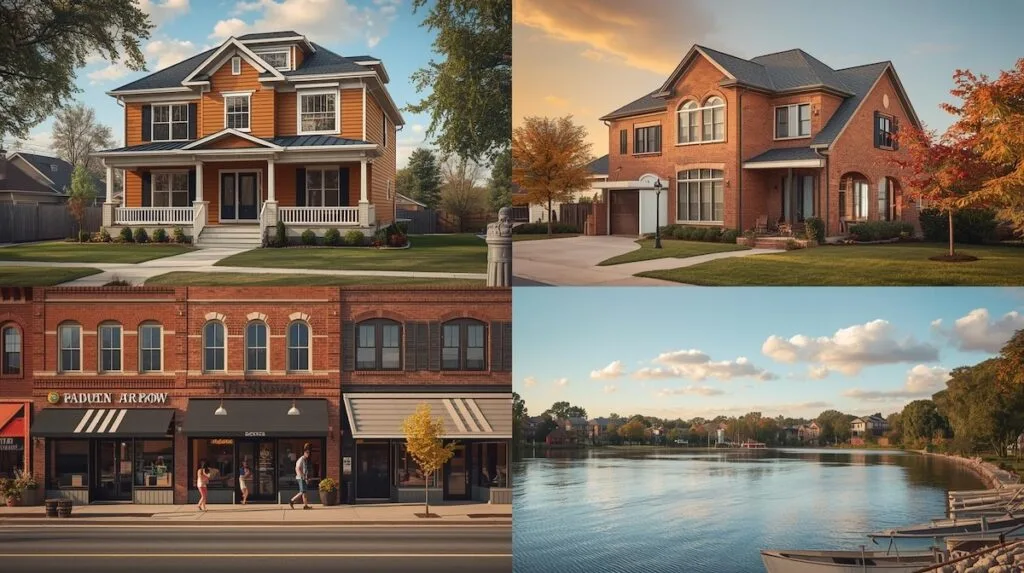
Schools & Education Across the Tulsa Metro
Schools play a major role in where buyers choose to live in the Tulsa metro, even for those who don’t currently have school-aged children. Strong districts tend to support stable home values, well-kept neighborhoods, and a sense of community that benefits everyone. Because the Tulsa area includes a mix of large suburban districts, award-winning smaller districts, and private school options, education becomes one of the most important factors buyers consider when narrowing down neighborhoods.
Jenks Public Schools
Known throughout the state — and beyond — Jenks is one of the most sought-after school districts in Oklahoma. Families appreciate its strong academic performance, athletic programs, diverse extracurricular opportunities, and beautiful campuses. Many people move to Jenks specifically for the schools, and the district’s reputation is a major reason the surrounding neighborhoods continue to grow in popularity.
Bixby Public Schools
Bixby consistently ranks as one of the top-performing districts in the metro, offering strong academics, a supportive community feel, and impressive facilities. Families love Bixby’s balance of high-quality education with a warm, small-town environment. As the city grows, so does the demand for housing within the district.
Broken Arrow Public Schools
Broken Arrow is one of the largest districts in Oklahoma, offering diverse programming, specialty learning tracks, advanced placement options, and strong support for arts and athletics. With multiple high schools and a wide range of school sizes, families can find the right environment to match their child’s needs. The district’s breadth and resources make it a major draw for homebuyers.
Union Public Schools
Union sits at the crossroads of Tulsa and Broken Arrow and is known for its outstanding athletic programs, dedicated teachers, and strong community involvement. The district invests heavily in student success, offering early childhood programs, advanced academics, and a robust fine arts curriculum. Families often prioritize living within Union boundaries because of its well-rounded offerings.
Owasso Public Schools
Owasso’s school district is another standout, consistently praised for its academic rigor, extracurricular programs, and supportive staff. The district benefits from strong community involvement and well-maintained facilities, creating an environment where students thrive. This reputation continues to support Owasso’s growth as a top suburban choice.
Sand Springs, Sapulpa, and Coweta Schools
These districts offer smaller learning environments that many families appreciate. Parents often highlight the sense of community, supportive teachers, and opportunities for students to get involved in sports, arts, and leadership. Families looking for a quieter lifestyle or more affordable housing often find these districts to be an excellent fit.
Private School Options
Beyond public schools, Tulsa has a strong network of private and faith-based schools, including Holland Hall, Cascia Hall, Bishop Kelley, Lincoln Christian, Metro Christian Academy, and several Montessori programs. These schools provide additional choices for families seeking specialized education or specific learning environments.
Whether you’re choosing a neighborhood for school reasons or simply want to understand how education impacts the local lifestyle, schools play a major role in shaping community identity and daily life. Strong school districts often translate to higher home demand, well-kept neighborhoods, and active community involvement — all of which contribute to the overall Tulsa lifestyle.
For additional context as you compare locations, you might find it helpful to browse school ratings and parent reviews on GreatSchools.org, though local insight often paints a more complete picture than ratings alone.
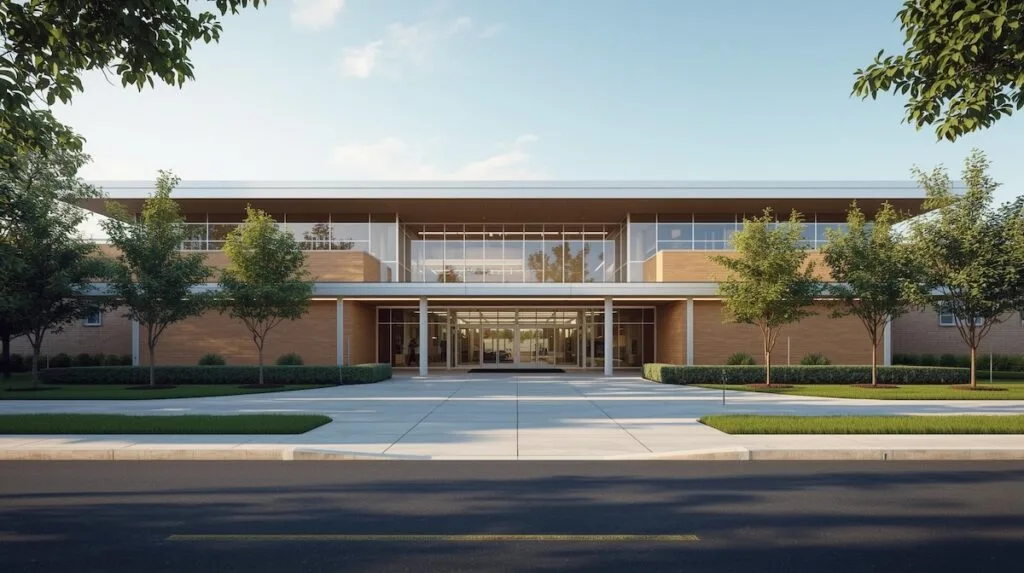
Amenities That Shape Tulsa Living
One of the biggest advantages of living in Tulsa is the convenience and variety of amenities available throughout the metro. Whether you prioritize shopping, dining, healthcare, parks, recreation, or entertainment, each part of the city offers something unique — and most essentials are only a short drive away. This blend of accessibility and variety is a major reason so many people love the Tulsa lifestyle.
Shopping & Daily Convenience
Tulsa offers a full mix of major retailers, locally owned shops, and boutique districts. South Tulsa is home to Woodland Hills Mall, Target, Sprouts, Costco, Life Time Fitness, and a wide range of restaurants and services. Midtown offers more local boutiques, specialty stores, and destinations like Utica Square, which blends high-end shopping with a warm neighborhood feel. Broken Arrow’s Hillside Crossing and Tiger Hill areas provide easy access to day-to-day shopping, groceries, and dining, while Owasso’s commercial district has become one of the fastest-growing retail corridors in the region.
Dining & Entertainment
The Tulsa food scene continues to expand, offering everything from independent bakeries and brunch spots to upscale dining and globally inspired menus. Cherry Street, Brookside, and the Tulsa Arts District are hotspots for local restaurants, coffee shops, and nightlife. Downtown’s revitalization has brought in breweries, speakeasies, rooftop bars, and concert venues. Cain’s Ballroom, the BOK Center, Guthrie Green, and local theaters keep the entertainment calendar full year-round.
Parks & Outdoor Recreation
Tulsa’s investment in green spaces is a huge quality-of-life advantage. The River Parks Trail system provides miles of scenic biking, walking, and jogging paths along the river. Turkey Mountain Urban Wilderness offers hiking, mountain biking, and beautiful overlooks without leaving the city. Families enjoy the playgrounds, sports fields, and gardens scattered through neighborhoods across the metro. And of course, the Gathering Place continues to be one of the most acclaimed public parks in the country, offering everything from playgrounds and splash pads to dining, sports courts, and lakeside views.
If you’re exploring outdoor options while deciding where to live, you may also enjoy reading my Tulsa neighborhoods and lifestyle overview, which highlights how each part of the metro connects to parks and recreation.
Healthcare & Medical Access
Tulsa is home to several major healthcare systems, including Saint Francis, Ascension St. John, Hillcrest, and OSU Medical Center. South Tulsa and Midtown have some of the best access to medical offices, specialty clinics, and hospitals, making it a convenient area for those with ongoing healthcare needs.
Local Culture, Events & Community Life
Tulsa hosts festivals, farmers markets, parades, art walks, and seasonal events throughout the year. Each suburb contributes its own personality — Broken Arrow’s Rooster Days, Jenks’ community festivals, Bixby’s Green Corn Festival, and local holiday celebrations all add to the metro’s charm. These events strengthen community connection and make it easy for newcomers to feel right at home.
As you explore the Tulsa metro, you’ll see that amenities aren’t concentrated in one place — they’re spread throughout the city, which makes life both convenient and enjoyable. Whether you want walkability, quick-access shopping, outdoor trails, or a lively restaurant scene, Tulsa living gives you options at every turn.
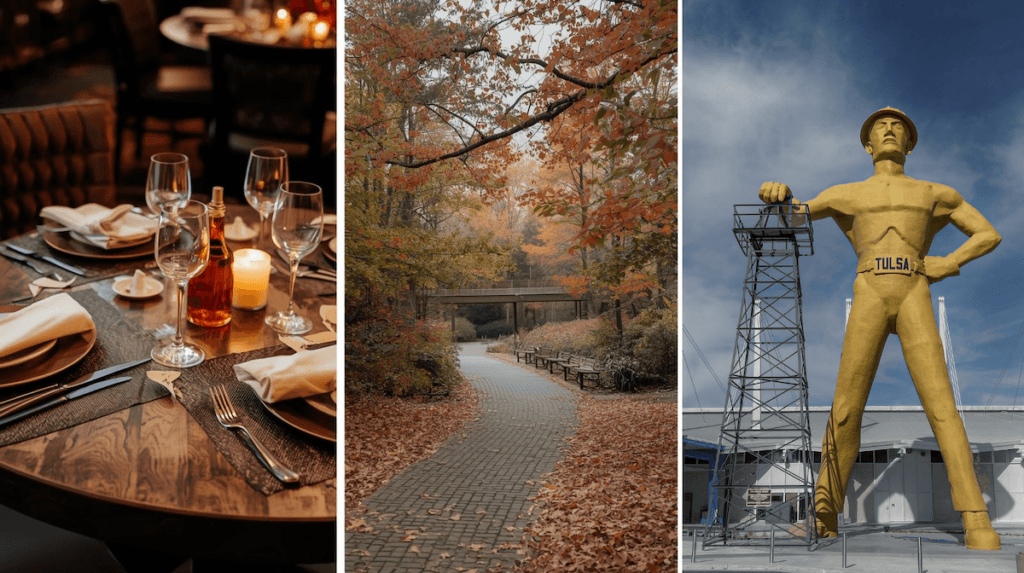
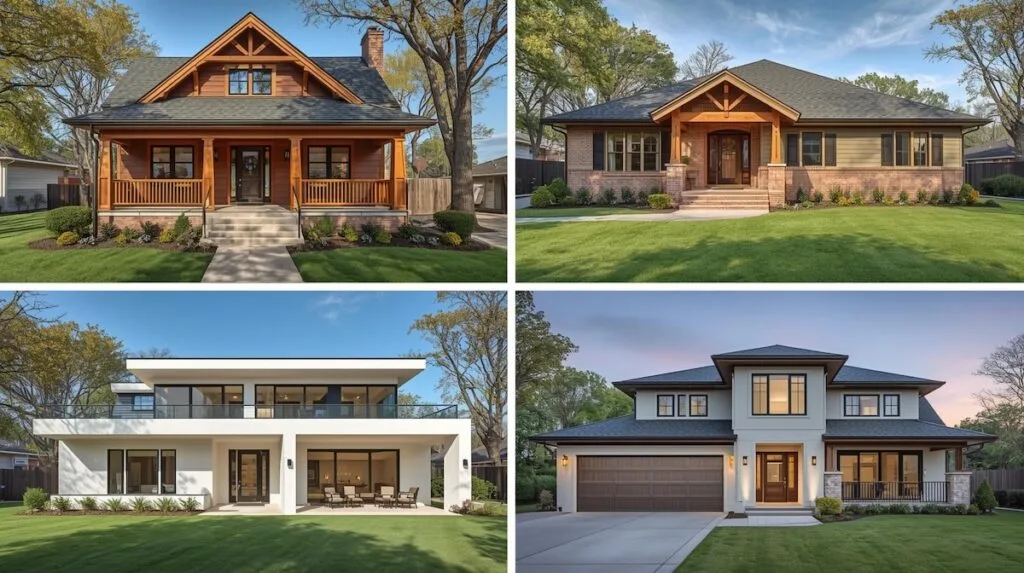
Common Home Styles in Tulsa
Tulsa’s architecture is one of the most interesting parts of exploring neighborhoods in the metro. Each area has its own personality, and the style of homes you’ll find often reflects the history, growth, and lifestyle of that community. Whether you love historic charm, clean modern lines, or classic suburban design, Tulsa offers a wide range of home styles that appeal to different tastes and budgets.
Craftsman & Historic Homes
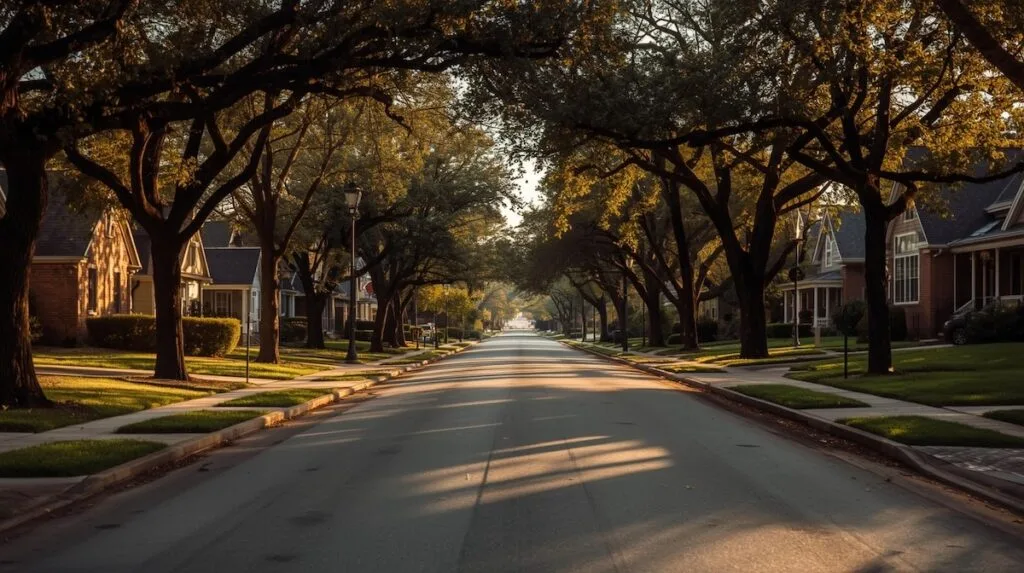
You’ll find some of Tulsa’s most iconic architecture in Midtown, where early-1900s Craftsman, Tudor, Colonial Revival, and bungalow-style homes line quiet, tree-shaded streets. These homes often feature large covered porches, original hardwood floors, built-ins, and architectural character that you can’t replicate today. Buyers who value charm, history, and walkability are frequently drawn to Midtown specifically for these unique details.
Ranch-Style Homes
Across Tulsa — especially in established neighborhoods built from the 1950s through the 1980s — ranch-style homes are incredibly common. These homes typically offer one-level living, wide layouts, larger yards, and functional floor plans. Many have been renovated over the years, giving buyers the opportunity to enjoy modern finishes while still benefiting from the solid construction and generous lots typical of this era.
Modern Traditional & Updated Suburban Homes
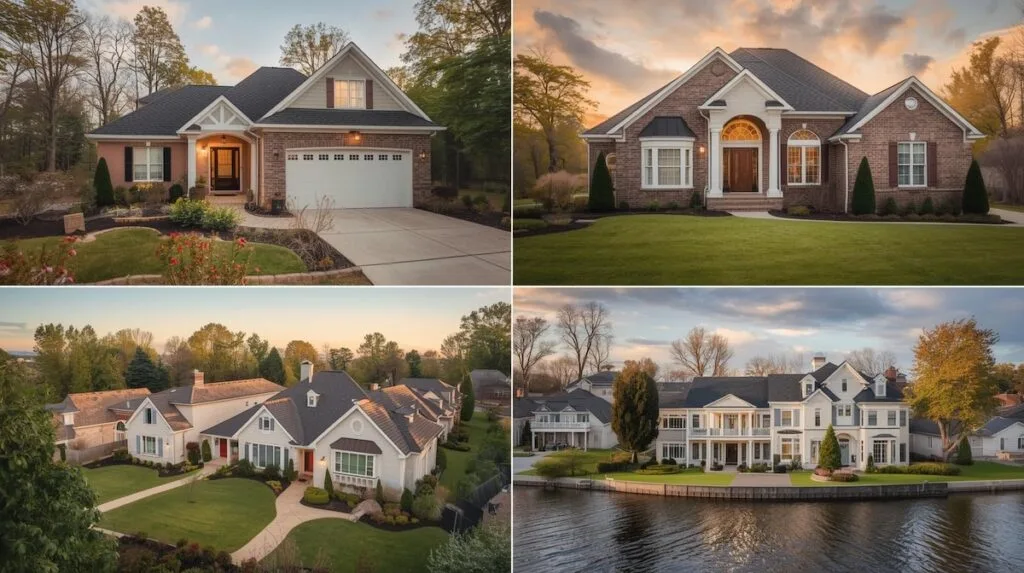
South Tulsa, Jenks, Bixby, Owasso, and Broken Arrow are filled with homes built from the early 2000s to present day, featuring open floor plans, spacious kitchens, larger primary suites, and neighborhood amenities. Whether it’s brick with stone accents, clean-lined traditional exteriors, or transitional designs, these homes appeal to buyers wanting move-in-ready spaces and neighborhoods with cohesive aesthetics.
New Construction Homes
New construction continues to be a major part of the Tulsa metro’s growth. Builders like Capital Homes, Simmons, Executive Homes, and many custom local builders offer a range of styles — modern farmhouse, sleek contemporary, rustic traditional, and everything in between. These homes often include energy-efficient systems, modern color palettes, flexible living spaces, and community amenities such as pools, clubhouses, and playgrounds.
If new construction is on your radar, you may find value in my full new construction homes in the Tulsa metro guide, which breaks down builders, locations, timelines, and what to expect in today’s market.
HOA & Planned Community Designs
Many newer neighborhoods feature HOAs that maintain neighborhood entrances, greenbelts, walking trails, and community spaces. These communities attract buyers who want a clean, uniform look and shared amenities — especially in South Tulsa, Jenks, Bixby, Owasso, and Broken Arrow. While HOA rules vary widely, most are focused on maintaining curb appeal and community value.
Lake Homes & Vacation Architecture
Around Grand Lake, Fort Gibson, and Lake Eufaula, home styles shift to cabins, A-frames, rustic modern designs, and waterfront retreats. These properties may include decks, sunrooms, private docks, and open-concept layouts designed to take in the view. If you want to explore what lake living feels like, you can browse my overview of Peace of Grand, our lakefront rental home.
Regardless of which area or style you’re drawn to, Tulsa’s variety of home designs gives you the freedom to prioritize what matters most — character, convenience, neighborhood feel, or a home that’s brand new. Many buyers fall in love with Tulsa precisely because the metro offers such a wide range of options.
What It’s Like to Live Through Tulsa’s Seasons
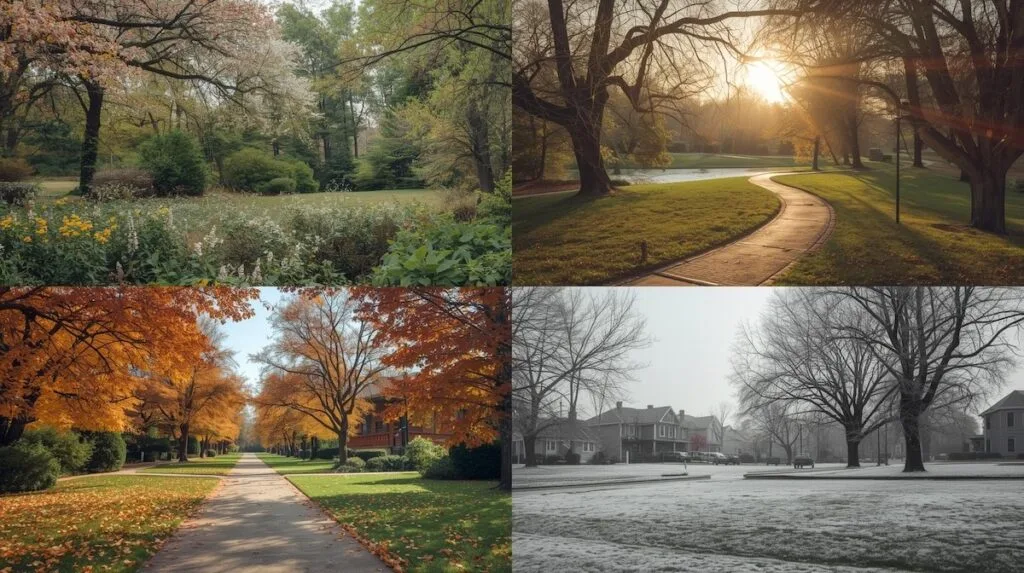
Tulsa experiences all four seasons, and each one brings its own personality — from vibrant fall foliage and mild spring days to summer lake weekends and the occasional winter ice storm. Understanding Tulsa’s climate helps you get a feel for everyday life here, especially if you’re relocating from a part of the country with a very different weather pattern. For most residents, the changing seasons are part of what makes living in Tulsa enjoyable, predictable, and full of variety.
Spring: Mild, Green, and Full of Life
Spring in Tulsa is one of the most beautiful times of the year. Trees bloom early, lawns turn bright green, and temperatures typically range from the 60s to the 80s. Outdoor activities pick up quickly — parks, playgrounds, hiking trails, and patios become busy again. Spring does bring the start of storm season, but residents are used to the rhythm: short bursts of intense weather followed by sunny, quiet days. Newcomers often appreciate how quickly storms move through and how rapidly conditions clear.
Summer: Warm Days, Lake Weekends, and Long Evenings
Summer in Tulsa is warm — often reaching the 90s — but it also comes with one of Oklahoma’s greatest perks: access to water. Grand Lake, Keystone Lake, Fort Gibson Lake, and Lake Eufaula give residents endless opportunities for boating, fishing, swimming, and weekend getaways. Many neighborhoods have community pools, splash pads, and shaded parks, making summer an active, social season. Longer daylight hours also make weeknights feel more relaxed, with people grilling outside, walking trails, or visiting local festivals and farmers markets.
Fall: Crisp Air, Changing Leaves & Local Events
Fall is a favorite season for many Tulsans. Temperatures drop into the 60s and 70s, the humidity fades, and the entire metro transforms with beautiful foliage. It’s the perfect season for patio dining, football games, pumpkin patches, and outdoor markets. Neighborhoods across the metro come alive with festivals, school events, and community gatherings. Residents who enjoy the outdoors often say fall is the most enjoyable time to explore Tulsa’s trails, parks, and scenic areas.
Winter: Light Snow, Occasional Ice & Cozy Indoor Days
Winters in Tulsa are generally mild. There may be a couple of light snowfalls each year, and sometimes an ice storm, but long, harsh winters are rare. Most days fall in the 30s and 40s, creating a cozy indoor season rather than a frigid one. Homes here are built to handle temperature swings, and cities are well-prepared for icy weather when it occurs. Residents typically enjoy a quieter pace in winter, with indoor events, holiday lights, and seasonal celebrations throughout the metro.
How the Seasons Shape Tulsa’s Lifestyle
The changing weather patterns guide the rhythm of life in Tulsa. Spring and fall are full of outdoor events, patios, sports, and active weekends. Summer centers around lakes, pools, and family activities. Winter brings a slower, reflective season with plenty of holiday festivities and indoor entertainment. For most residents, the variety is part of the appeal — no season overstays its welcome, and there’s always something new around the corner.
If you’re considering moving to the area, you may also enjoy browsing my Relocation and Moving to Tulsa guide, which explains how the seasons impact daily life, commute patterns, and neighborhood selection.
Is Tulsa Right for You?
One of the things I love most about the Tulsa metro is how naturally the neighborhoods match different stages of life. Whether you’re buying your very first home, looking for more space, hoping to simplify your lifestyle, or relocating from out of state, Tulsa offers communities that align with your goals, pace, and budget. Understanding these “lifestyle fits” can help you narrow your search more quickly and confidently — and often leads buyers to neighborhoods they never considered at first.
First-Time Homebuyers
First-time buyers tend to gravitate toward areas that offer affordability, convenience, and strong resale potential. Midtown, central Tulsa, Broken Arrow, and Owasso often stand out because they offer a broad range of home prices, established neighborhoods, and easy access to shopping, parks, and entertainment. Many first-time buyers also appreciate the character of older homes or the move-in-ready feel of newer suburban builds. If you’re beginning your home search, you might enjoy my full First-Time Homebuyers guide, which covers everything from financing to choosing the right neighborhood.
Move-Up Buyers
As families grow or lifestyles evolve, many buyers begin prioritizing more space, larger yards, additional bedrooms, and school district preferences. South Tulsa, Jenks, Bixby, and Owasso are especially popular with move-up buyers because they offer newer homes, larger layouts, strong schools, and community amenities like pools and playgrounds. Many move-up buyers also appreciate the convenience of living near retail centers, highways, and recreation while still enjoying neighborhood privacy. If you’re in this phase, you may find value in reading my Move-Up Buyers guide, designed specifically for families planning their next step.
Downsizers
Buyers looking to simplify their lifestyle often focus on low-maintenance homes, walkable areas, and neighborhoods with easy access to dining, healthcare, and community activities. Midtown and South Tulsa offer great options for downsizers who want convenience without sacrificing charm, while Broken Arrow and Jenks provide newer single-level homes, villas, and patio home developments. Many downsizers value predictable HOA maintenance, smaller yards, and neighborhoods with strong community involvement. If this is you, my Downsizing in Tulsa guide can help you explore the best options for a more streamlined lifestyle.
Relocating Buyers
Those moving in from out of state usually start with broader priorities — school quality, commute times, safety, affordability, and overall lifestyle feel. Jenks, Bixby, Broken Arrow, Owasso, and South Tulsa are frequent favorites because they offer a wide variety of home styles, strong community amenities, and accessible price ranges. Relocators often appreciate the balance Tulsa offers: modern conveniences, friendly neighborhoods, and a reasonable cost of living all within a navigable metro. If you’re beginning your relocation journey, you may find my Relocation and Moving to Tulsa guide especially helpful.
Lake Lifestyle Buyers
Tulsa’s proximity to Grand Lake, Fort Gibson, and Lake Eufaula gives buyers the option of owning a second home or beginning a new chapter centered on recreation and relaxation. Buyers drawn to lake living typically prioritize views, outdoor activities, and a quieter pace. Whether you’re looking for a weekend retreat or a full-time lakeside lifestyle, the communities surrounding these lakes offer a wide range of options. You can take a look at my overview of Peace of Grand to get a feel for what lake life in Oklahoma looks like.
Tulsa’s flexibility is truly one of its biggest strengths. The metro allows you to grow, change, and transition through different phases of life without leaving the area — because each community offers its own advantages, and there’s a natural next step no matter what stage you’re in.
How to Choose the Right Tulsa Neighborhood
Choosing the right neighborhood is one of the most important parts of the homebuying process — and in a metro as diverse as Tulsa, the options can feel overwhelming at first. The good news? Each area has its own strengths, personality, and lifestyle benefits, which means there’s truly something for everyone. The key is getting clear on what matters most to you and using that as your guide.
Start With Your Lifestyle Priorities
Before focusing on specific neighborhoods, think about the rhythm of your daily life. Do you want a quiet, tucked-away street or something more walkable and lively? Do you enjoy established, tree-lined neighborhoods, or do you prefer the uniform look of newer communities? Are parks, trails, or community pools important? Making a list of your “must-have lifestyle features” helps narrow the search quickly.
Consider Commute & Convenience
Most people in the Tulsa metro enjoy relatively short commutes compared to other cities, but convenience still matters — especially if you regularly travel to specific parts of town. South Tulsa, Midtown, and Broken Arrow tend to offer the fastest access to major employment centers, hospitals, and shopping. Jenks and Bixby provide strong neighborhood options with quick access to the Creek Turnpike, while Owasso offers easy connectivity via Highway 169. Thinking through where you spend your time during the week will help you determine which areas offer the smoothest daily routine.
Evaluate School Districts — Even If You Don’t Have Kids
School district boundaries have a major impact on home values, neighborhood stability, and future resale potential. Many buyers choose Jenks, Bixby, Owasso, Union, or Broken Arrow specifically for their strong schools, but even if you don’t have children, living in a desirable district can benefit you in the long term. If you’re weighing districts, you may find it useful to read my earlier section on Schools & Education Across the Tulsa Metro for a neighborhood-by-neighborhood breakdown.
Think About Home Style & Neighborhood Aesthetic
If you’re drawn to historic architecture, Midtown and certain parts of central Tulsa are ideal. If you want move-in-ready homes with open layouts, newer subdivisions in Jenks, Bixby, Broken Arrow, and Owasso may be a better fit. If you prefer smaller, low-maintenance homes, look for patio home communities or single-level options, which are increasingly popular in South Tulsa and Broken Arrow. Buyers often find that their preferred home style naturally guides them to the right neighborhood.
Balance Wants vs. Budget
Tulsa offers a wide range of price points, even within the same suburb. Midtown can vary dramatically depending on the street and the home’s level of renovation. South Tulsa, Jenks, and Bixby offer both luxury neighborhoods and more affordable master-planned communities. Broken Arrow and Owasso present broad options at accessible prices. If you’re still navigating budget and expectations, my Buying a Home in Tulsa guide offers a practical framework for balancing value, lifestyle, and affordability.
Visit at Different Times of Day
Whether you’re relocating or local, it’s extremely helpful to explore neighborhoods during the morning, evening, and weekends. You may discover quiet areas that become busier at certain hours, or find that a neighborhood feels more vibrant, peaceful, or connected than you expected. Many clients say their final decision came down to how the neighborhood felt during an in-person visit.
Lean on Local Expertise
With over 25 years of real estate experience in the Tulsa metro, I’ve helped hundreds of families find the right neighborhood by understanding their lifestyle, goals, and priorities. Sometimes the perfect fit ends up being a neighborhood you hadn’t considered — and that’s where local guidance can make all the difference.
Choosing where to live is deeply personal, but Tulsa makes it easy because the metro offers so many great options. Once you identify your must-haves and nice-to-haves, the right neighborhood often becomes clear.
Your Local Tulsa Real Estate Resource
Choosing the right place to live is about so much more than square footage or a list of features — it’s about finding a neighborhood that feels like home. Tulsa makes that easy, offering a wide range of communities, each with its own personality, pace, and lifestyle. Whether you’re drawn to historic streets, modern suburban neighborhoods, lively districts filled with local restaurants, or quiet areas surrounded by nature, the Tulsa metro gives you room to grow and options that fit every stage of life.
If you’re beginning to explore where you might want to live, or if you’d like help narrowing down the neighborhoods that best match your goals, I’m here to guide you every step of the way. After living in the Tulsa area for nearly 30 years and helping families buy and sell homes since 1999, I know the subtle differences between each community — and how to help you find the place that truly fits.
If you’re ready to start your search, want a personalized neighborhood match, or simply have questions about life in Tulsa, you’re always welcome to reach out. You can also explore my Buying a Home in Tulsa guide for next steps and more local insight.
Share this post: on Twitter on Facebook