
Welcome to Tulsa Living: A Local’s Guide to Life in Tulsa
Tulsa has a way of surprising people. It’s a city with deep roots, an easygoing pace, and a growing energy that feels both modern and familiar. Whether you’re new to the area or a longtime resident exploring more of what this community offers, this guide gives you a clear picture of Tulsa living—from the neighborhoods and culture to the food, recreation, and everyday lifestyle that make this part of Oklahoma special.
Tulsa isn’t just a place to live; it’s a place where people build connection, find breathing room, and enjoy a lifestyle that blends affordability, convenience, and charm. With a thriving arts scene, strong job market, top-rated suburbs, and some of the most beautiful green spaces in the region, life in Tulsa is full of options no matter what stage of life you’re in.
Why Tulsa? What Makes Life Here Stand Out
Tulsa has become one of the most appealing mid-sized cities in the country, and it isn’t just because of affordability. People are drawn to the balance it offers: a welcoming community, a thriving cultural scene, outdoor beauty, and a pace of life that feels both relaxed and invigorating. For anyone exploring life in Tulsa, this is where the city truly sets itself apart.
A Cost of Living That Actually Improves Your Quality of Life
Affordability is a major reason people consider Tulsa, but its impact goes far beyond home prices.
Housing: Tulsa’s median home price consistently falls below the national average, allowing buyers to afford more space and better neighborhoods.
Utilities & Everyday Costs: Lower utility rates, reasonable property taxes, and affordable groceries help stretch your budget.
Renters: For those not quite ready to buy, rental prices remain manageable across the metro.
You might also like reading about Tulsa Housing Market and Cost of Living.
A Local Culture That Welcomes Everyone
Tulsa is known for its friendly, down-to-earth personality. Neighbors chat on evening walks, baristas remember your order, and community events draw people from every corner of the metro.
This sense of connection builds quickly—whether you’re settling into a quiet suburb, a historic Midtown street, or a downtown loft.
A Strong and Evolving Job Market
Tulsa’s economy is rooted in energy and aerospace, but in recent years it has diversified with growth in healthcare, education, tech, and manufacturing.
Notable employers include:
American Airlines
Saint Francis Health System
Williams Companies
OSU Medical Center
Multiple expanding tech startups
For verified workforce and development data, the City of Tulsa provides detailed resources.
A Deeply Artistic and Culturally Rich City
Tulsa surprises newcomers with its art, music, and cultural offerings.
Highlights include:
Philbrook Museum of Art – gardens, rotating exhibits, and nationally recognized collections.
Gilcrease Museum – world-renowned Western and Native American art (currently undergoing updates).
Cain’s Ballroom & The Tulsa Theater – legendary concert venues.
The Gathering Place – award-winning riverfront park with playgrounds, gardens, and trails.
These aren’t one-time destinations; they shape the rhythms of the city year-round.
A Lifestyle Built Around the Outdoors
The Tulsa lifestyle supports anyone who wants fresh air and room to roam.
River Parks Trails: Miles of paved pathways along the Arkansas River for biking, jogging, and walking.
Turkey Mountain: A popular urban wilderness area for hiking and mountain biking.
Nearby Lakes: Grand Lake, Skiatook Lake, and Keystone Lake provide easy access to boating and fishing.
This blend of urban amenities and natural beauty is rare for a city of Tulsa’s size.
Easy Movement and Manageable Commutes
Commuting in Tulsa is refreshingly simple. Most residents enjoy:
15–25 minute average drives to major job hubs
Straightforward highway access
An international airport that’s easy to navigate
Reliability and convenience are big quality-of-life boosters for daily routines.
A Place That Works for Every Stage of Life
Whether you’re a young professional, a growing family needing space, a downsizer prioritizing convenience, or a remote worker wanting affordability without isolation, Tulsa makes room for all of it. The variety of neighborhoods and suburbs means you can find the pace and lifestyle that fits you best.
Understanding Tulsa’s Neighborhoods and Suburbs
One of the biggest advantages of Tulsa living is the range of neighborhoods and suburbs to choose from. Each area has its own personality, pace, and amenities, making it easy to find a community that genuinely fits your lifestyle. From historic charm and urban walkability to quiet cul-de-sacs and master-planned developments, Tulsa offers more variety than many people expect.
Midtown Tulsa: Historic Charm and Walkable Living
Midtown is one of the most character-rich areas in the city, known for its mature trees, brick streets, and classic architecture.
Key features include:
Craftsman, Tudor, and bungalow-style homes
Walking access to local cafés, parks, and boutique shops
Proximity to Cherry Street, Brookside, and Utica Square
Highly convenient commutes to downtown and medical centers
Midtown appeals to those who want a lively, established neighborhood with strong community identity.
South Tulsa: Convenience, Schools, and Modern Suburbs
South Tulsa is known for its well-planned neighborhoods, newer construction, and access to top-rated schools.
Residents enjoy:
Larger homes with modern layouts
Quick access to shopping centers, dining, and entertainment
Easy commutes along major corridors like Memorial, Yale, and the Creek Turnpike
Family-friendly parks and recreational facilities
If you’re looking for space, convenience, and strong school options, South Tulsa is consistently one of the most popular choices.
Downtown Tulsa: Urban Living with a Creative Edge
Downtown Tulsa has transformed over the past decade into a vibrant mix of lofts, restaurants, art, and entertainment.
What sets it apart:
Historic warehouses converted into modern apartments
Walkable access to the Arts District, Greenwood District, and Blue Dome District
Concert venues, art galleries, and local breweries
A growing tech and professional workforce
Downtown is ideal for professionals, creatives, and those who want a walkable urban experience.
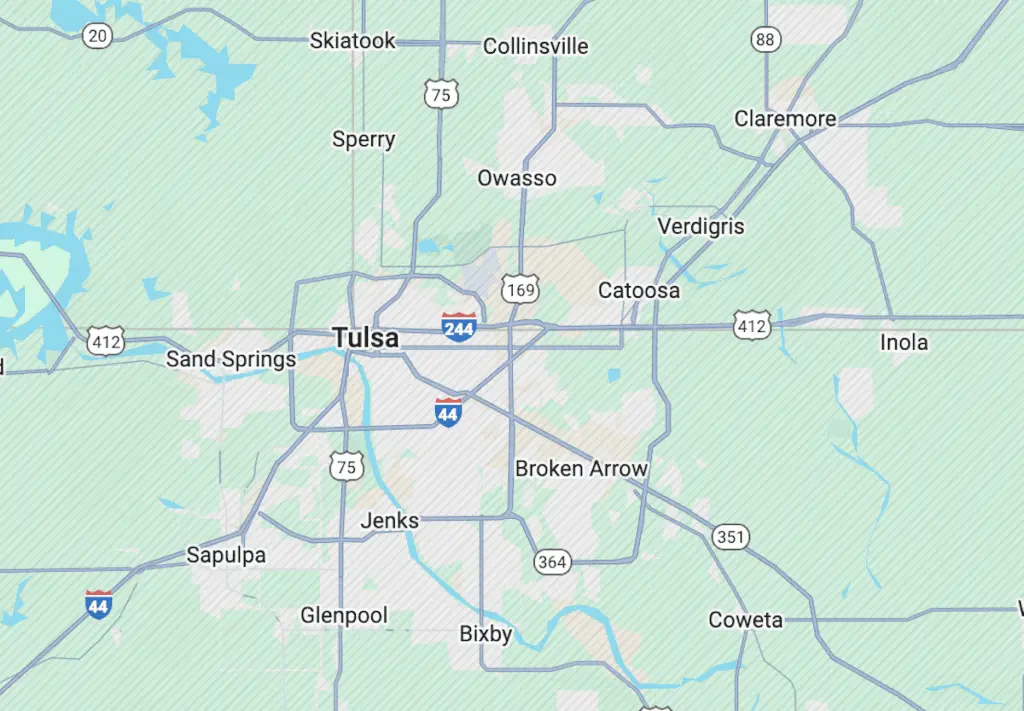
Broken Arrow: A Suburban City with Its Own Identity
Broken Arrow is one of the fastest-growing suburbs in the state and offers a full lifestyle of its own.
Highlights include:
A strong school system
The Rose District—one of the best downtown redevelopments in Oklahoma
A mix of established neighborhoods and new construction
Family-friendly parks and seasonal festivals
Broken Arrow is attractive to families of all sizes and anyone wanting a suburban feel without sacrificing amenities.
Bixby and Jenks: Small-Town Feel with Big Convenience
Bixby and Jenks are two of the most sought-after suburbs for people wanting a quieter, more community-focused pace.
You’ll find:
Award-winning schools
Master-planned neighborhoods
Access to the Arkansas River and popular parks
Boutique shops, local restaurants, and fast-growing retail areas
These suburbs are known for their strong sense of community, youth activities, and scenic settings.
Owasso: Fast-Growing, Highly Convenient, and Family-Friendly
Owasso offers a well-rounded suburban lifestyle with great shopping, schools, and quick access to both Tulsa and the airport.
Residents appreciate:
Newer construction homes and planned communities
Major retailers, restaurants, and entertainment options
An involved community with frequent events and programs
Easy north metro commuting
Owasso is especially popular with families, professionals, and those who travel frequently.
Sand Springs, Sapulpa, and West Tulsa: Affordable, Quiet, and Close to Nature
For buyers who want affordability and acreage options, these west-side communities offer excellent value.
Features include:
More rural and spacious properties
Proximity to Keystone Lake and outdoor recreation
A slower pace with tight-knit neighborhoods
Quick commutes into downtown Tulsa
These communities are perfect for those seeking peaceful living with easy access to city conveniences.
You might also like learning about Buying a Home in Tulsa if you’re comparing neighborhoods for your next move.
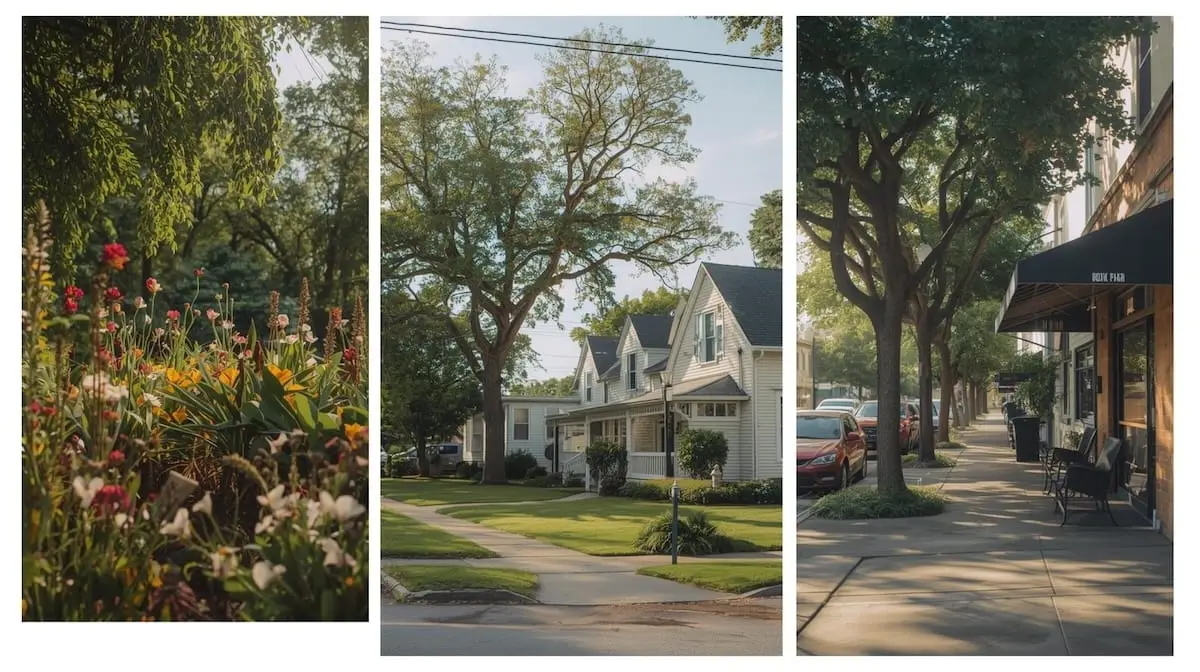
Understanding Tulsa’s Neighborhoods and Suburbs
Choosing where to live is one of the most important parts of settling into Tulsa living, and one of the biggest advantages of this metro is the sheer variety of neighborhoods. From walkable historic districts to quiet master-planned suburbs, lakeside living, and everything in between, Tulsa offers options for nearly every lifestyle, budget, and stage of life. This section provides a deeper, more comprehensive look at the areas people consider when deciding where to put down roots.
Midtown Tulsa: Historic Charm, Character, and Walkable Living
Midtown is often considered the heart of Tulsa. If you appreciate established neighborhoods with architectural interest, mature landscaping, and a strong sense of identity, Midtown stands out immediately.
What defines it:
Architectural character: Craftsman, Prairie, Tudor Revival, Colonial, and early 20th-century bungalows.
Walkability: Close to grocery stores, coffee shops, boutique shopping, and neighborhood restaurants.
Key districts: Cherry Street (food + shops), Brookside (social + nightlife), Utica Square (upscale retail), Maple Ridge (one of Tulsa’s most historic neighborhoods).
Lifestyle: Active sidewalks, tree-lined streets, community involvement, and year-round neighborhood events.
Midtown tends to appeal to young professionals, move-up buyers wanting charm, and downsizers who prefer a walkable, established setting.
South Tulsa: Top Schools, Newer Homes, and Everyday Convenience
South Tulsa is known for its clean, organized feel and thoughtfully planned residential areas. Homes tend to be newer, streets are wide and quiet, and families often choose this part of the city for its school options and amenities.
Key features:
Housing variety: Recent construction, larger floor plans, gated communities, and swim/tennis neighborhoods.
Schools: Some of the Tulsa area’s most sought-after public and private schools are located here.
Convenience: Shopping corridors like Woodland Hills, dining options along Memorial & Yale, and fast Creek Turnpike access.
Lifestyle: Neighborhood pools, parks, trail systems, farmers markets, and youth sports programs.
South Tulsa is a go-to choice for families, professionals, and anyone wanting a suburban feel with easy access to everything.
Downtown Tulsa: Urban Living with a Creative, Walkable Edge
Downtown’s transformation has been one of the biggest local changes over the last decade. What used to be a strictly business district is now a thriving hub of creativity, entertainment, and modern loft living.
What makes downtown unique:
Housing: Lofts, warehouse conversions, high-rise apartments, and modern condos.
Districts: Arts District, Greenwood District, Deco District, and Blue Dome District, each with its own personality.
Entertainment: Cain’s Ballroom, Tulsa Theater, Guthrie Green, art galleries, local breweries, and year-round events.
Walkability: A true park-once-and-enjoy-the-day lifestyle.
Downtown attracts young professionals, creatives, remote workers, and empty nesters wanting a lock-and-leave lifestyle.
Broken Arrow: A Full-Service Suburban City with Its Own Downtown
Broken Arrow is not just a suburb; it’s a city with distinct identity, amenities, and a thriving community of its own.
What residents love:
The Rose District: A walkable downtown with restaurants, boutiques, splash pads, murals, and festivals.
Housing options: Everything from early 1990s neighborhoods to large new-construction communities.
Schools: Strong public schools with competitive programs.
Community events: Seasonal markets, outdoor concerts, and family-oriented celebrations.
Broken Arrow appeals to families, first-time buyers, and anyone wanting a mix of suburban comfort and small-town charm.
Bixby: Scenic, Quiet, and Rapidly Growing
Bixby blends wide-open spaces with new neighborhoods, giving it a peaceful, semi-rural feel without being remote.
Highlights:
Master-planned communities: Pools, trails, clubhouses, and beautifully landscaped entrances.
Natural beauty: River access, agricultural areas, and parks.
Schools: Highly rated, especially appealing for young families.
Lifestyle: Slow-paced, community-centered, ideal for buyers wanting space and serenity.
Jenks: Top Schools and a Thriving Community Identity
Jenks is one of the most in-demand suburbs in the Tulsa area, known especially for its school district and community pride.
What stands out:
River walk access: Restaurants, entertainment, and the Oklahoma Aquarium.
Housing: Established neighborhoods + new luxury builds.
Schools: One of the most recognized districts in the state.
Growth: Major new retail development, a growing medical corridor, and expanding neighborhoods.
Jenks is a natural fit for families, commuters, and anyone wanting strong schools with quick Tulsa access.
Owasso: Convenience, Community, and Everyday Ease
Owasso has grown into a major suburban hub with top-notch shopping, dining, and accessibility.
Appealing features:
Housing: Newer construction, master-planned developments, and large family-friendly neighborhoods.
Shopping & dining: Everything from big-box stores to local restaurants.
Airport access: Quick drive to Tulsa International Airport.
Community: Strong youth sports, parks, festivals, and community programming.
It’s especially popular with families, professionals, and frequent travelers.
Sand Springs, Sapulpa, and West Tulsa: Affordable, Quiet, and Close to Nature
If you prefer a slower pace or want larger lots without the higher suburban price tags, these western communities offer excellent value.
Why people choose them:
Affordability: Some of the most budget-friendly homes in the metro.
Acreage options: Great for those wanting more land.
Outdoor lifestyle: Close to Keystone Lake, hiking trails, and river recreation.
Community feel: Tight-knit neighborhoods with strong local identity.
These areas are ideal for buyers seeking peace and space while staying within 10–20 minutes of downtown.
You might also like reading about Buying a Home in Tulsa, especially if you’re comparing neighborhoods for a future move.
The Tulsa Lifestyle: What Day-to-Day Living Really Feels Like
The heart of Tulsa living isn’t just where you buy a home—it’s the rhythm of everyday life. Tulsa blends the comforts of a smaller city with the culture, convenience, and opportunity of a much larger metro. The result is a lifestyle that feels grounded, accessible, and full of choices, whether you love dining out, exploring the outdoors, enjoying community events, or simply appreciating an easygoing pace.
A Food Scene That Keeps Growing
Tulsa’s culinary scene has evolved rapidly over the past decade, offering everything from elevated dining to food trucks, local cafés, and inventive fusion concepts.
What locals love:
Farm-to-table restaurants in Midtown and Brookside
Upscale dining near Utica Square and in the Arts District
International cuisine that reflects Tulsa’s growing diversity
Local favorites for barbecue, Tex-Mex, and breakfast
The food scene continues expanding with new breweries, coffee shops, and chef-driven restaurants popping up throughout the metro.
You might also like reading about Tulsa Neighborhoods and Lifestyle for more details on local hotspots.
A Strong Sense of Community
People often say the best part of Tulsa is the people—and it shows in how the city comes together. Residents engage in neighborhood gatherings, school activities, volunteer projects, and seasonal events that make the city feel connected and welcoming.
Community highlights:
Farmers markets in Tulsa, Broken Arrow, and Jenks
Annual festivals like Mayfest, Greek Festival, and Tulsa Oktoberfest
Block parties, school events, and local fundraisers
Live music nights and cultural celebrations
These shared experiences create an environment where newcomers feel at home quickly.
A City Built for Outdoor Living
Tulsa’s outdoor offerings rival cities twice its size. Residents enjoy wide open spaces, nature trails, lakes, and parks that encourage an active lifestyle.
Key outdoor attractions:
The Gathering Place: One of the nation’s top public parks with gardens, playgrounds, dining, trails, and river views.
Turkey Mountain Urban Wilderness: Miles of natural trails for hiking, biking, and exploring.
River Parks Trail System: Paved paths running along the Arkansas River—ideal for runners, cyclists, and walkers.
Nearby lakes: Keystone, Skiatook, and Grand Lake all within an easy drive.
Tulsa’s mild spring and fall seasons make outdoor living enjoyable most of the year.
Arts, Music, and Entertainment Everywhere
Tulsa has a rich cultural identity rooted in its Art Deco history and legendary music heritage. Today, that legacy continues through galleries, museums, live events, and a thriving performing arts community.
Highlights include:
Philbrook Museum of Art: A former villa with world-class collections and scenic gardens.
Gilcrease Museum: Known for its extensive Native American and Western art.
Cain’s Ballroom: A historic venue that draws top performers from around the world.
Tulsa Ballet, Symphony, and Opera: High-quality performances year-round.
Guthrie Green: Outdoor concerts, fitness classes, and weekend events.
This cultural layer adds richness to everyday life and gives residents endless ways to explore and unwind.
A Pace That’s Manageable and Uncomplicated
One of the most appreciated aspects of life in Tulsa is how easy it feels. You spend less time in traffic, less money on basics, and more time enjoying your home and community.
Everyday advantages:
Simple commutes
Easy access to shopping and amenities
Less congestion and crowding
A slower, more intentional pace compared to larger metros
For many people relocating from big-city environments, this balance is a major lifestyle upgrade.
Family-Friendly Living at Every Stage
Tulsa consistently ranks as one of the best metros for families due to its affordability, parks, schools, and youth programs. Whether you’re raising young children, guiding teenagers through busy schedules, or supporting college-age students, the area provides structure, opportunity, and support.
Examples of family-centered amenities:
Youth sports leagues across the metro
Community pools and splash pads
STEM programs, museums, and after-school activities
Safe neighborhoods with strong involvement
Families often highlight how quickly they feel settled and connected here.
Cost of Living in Tulsa: How Far Your Money Really Goes
One of the biggest reasons people consider Tulsa living is the affordability—and not just in terms of home prices. Tulsa offers a cost of living that consistently stays below the national average, allowing residents to enjoy a higher quality of life without sacrificing amenities, space, or convenience. Whether you’re a first-time homebuyer, a family looking for more room, or a downsizer wanting to simplify expenses, Tulsa’s financial accessibility is a major advantage.
Housing Costs: More Space, More Value
Housing is where the Tulsa area truly stands out. Compared to many metros across the country, homes here offer significantly more square footage, larger yards, and better neighborhood amenities for the same—or often much lower—price point.
What this means in practice:
Buyers often move up sooner because home prices are approachable.
Downsizers can transition into newer, low-maintenance homes without high premiums.
Renters find options in a variety of neighborhoods, from urban lofts to suburban homes.
The affordability doesn’t compromise on lifestyle—many neighborhoods offer parks, trails, and community amenities at no additional cost.
You might also like reading about Buy in Tulsa to see how affordability connects with today’s market trends.
Utilities, Groceries, and Everyday Expenses
Beyond housing, everyday costs remain manageable across Tulsa.
Residents typically experience:
Lower utility costs than many coastal or northern cities
Affordable groceries and dining options
Reasonable insurance premiums for both homes and vehicles
No annual state-wide surprises like extreme spikes in property taxes or municipal fees
This stability makes it easier for households to plan, budget, and build long-term financial confidence.
Transportation and Commuting Costs
Tulsa’s manageable size keeps transportation costs low. With shorter commutes and less congestion, residents spend less on fuel and vehicle maintenance than in large metros.
Typical advantages include:
15–25 minute average commutes to major employers
Easy access to highways, the BA Expressway, and the Creek Turnpike
Affordable parking downtown and at entertainment districts
Convenient, low-stress access to Tulsa International Airport
The simplicity of moving around the city is often one of the first things newcomers appreciate.
Taxes and Long-Term Affordability
Oklahoma’s tax structure also plays a role in keeping costs reasonable. While every homeowner’s situation is different, Tulsa residents generally find the combination of property taxes, state taxes, and utility rates more predictable and manageable than in many states.
A good resource for current tax policies is the Oklahoma Tax Commission, which provides clear guidance on rates and exemptions.
Quality of Life Gains Beyond Dollars
Affordability isn’t just about saving money—it’s about what that savings allows you to do. Lower living costs mean greater flexibility for:
Travel and recreation
Home improvement and landscaping
Outdoor hobbies like boating, biking, and gardening
Dining out and exploring Tulsa’s local businesses
Investing in education or long-term financial goals
This is why so many people relocating from larger cities describe Tulsa as a “quality-of-life upgrade.” The ability to enjoy more without constantly budgeting around basic expenses is a major part of the Tulsa lifestyle.
Tulsa’s Job Market and Economy: Stability, Growth, and Opportunity
A major part of life in Tulsa is the strength and stability of the local economy. Tulsa offers a diverse job market that continues to grow across multiple sectors—from aerospace and healthcare to energy, technology, education, and manufacturing. The combination of a strong economic foundation and a manageable cost of living makes Tulsa especially attractive to professionals, families, and remote workers seeking long-term opportunity without big-city pressure.
A Diversified Economy with Room to Grow
Tulsa’s economy is no longer defined by a single industry. While energy remains an important contributor, the metro has steadily diversified, creating new opportunities for workers at all levels.
Key industries include:
Aerospace & Aviation: One of Tulsa’s largest industries, home to major employers and specialized technical jobs.
Healthcare: Multiple large hospital systems offer thousands of jobs in clinical and administrative roles.
Energy: Corporate headquarters, engineering firms, and upstream/downstream services continue to anchor the region.
Technology: An emerging tech sector supported by entrepreneurship programs and innovation hubs.
Education: Strong school districts and local universities provide career stability and professional development.
Manufacturing & Logistics: A growing sector tied to Tulsa’s centralized location and transportation access.
This economic balance helps keep Tulsa stable, even during national shifts.
Major Employers in the Tulsa Metro
Tulsa is home to several large companies, institutions, and organizations that provide steady employment and career mobility. Some of the most notable include:
American Airlines Maintenance Base: One of the largest aircraft maintenance facilities in the world.
Saint Francis Health System & Hillcrest HealthCare System: Two major healthcare organizations serving the entire region.
Williams Companies: A leading energy infrastructure company headquartered in Tulsa.
QuikTrip Corporation: A Tulsa-based convenience store chain with strong employee satisfaction and opportunities for advancement.
BOK Financial: A large financial services company with deep Tulsa roots.
OSU Medical Center, OU-Tulsa, and TU: Anchors for medical, academic, and research careers.
These institutions help shape the city’s professional landscape and support ongoing population growth.
For verified workforce statistics and development updates, the City of Tulsa and Oklahoma Employment Security Commission offer excellent resources.
A Growing Hub for Entrepreneurs and Remote Workers
Tulsa has become increasingly attractive to entrepreneurs, freelancers, and remote workers thanks to its affordability and business-friendly environment.
Reasons entrepreneurs choose Tulsa:
Lower startup costs
Supportive business incubators and innovation hubs
Access to co-working spaces in the Arts District, Brookside, and downtown
Grants and programs focused on growing small businesses
Remote workers benefit from:
Affordable housing
High-speed internet availability
Comfortable daytime workspaces like cafés, libraries, and shared offices
A lifestyle that supports work-life balance
The influx of remote professionals has strengthened the Tulsa economy while bringing new perspectives and talent to the region.
Education and Workforce Development
Tulsa’s long-term economic outlook is supported by strong education and training programs designed to prepare workers for high-demand careers.
Examples include:
Tulsa Tech: Known for career training in healthcare, aviation, technology, and skilled trades.
Tulsa Community College: A pathway to workforce readiness and university programs.
University of Tulsa & OSU-Tulsa: Offering undergraduate, graduate, and research opportunities.
Partnerships between schools and major employers that help students transition directly into local jobs.
These institutions help fuel workforce stability, making Tulsa attractive for both families and relocating professionals.
Economic Outlook: A City Positioned for Steady Growth
Over the past decade, Tulsa has invested heavily in infrastructure, parks, cultural assets, and revitalization projects. These improvements—notably The Gathering Place, downtown redevelopment, and riverfront enhancements—signal a long-term commitment to growth and quality of life.
Several trends support a strong future outlook:
Continued investment in tech and innovation
Population growth driven by affordability and job opportunities
Infrastructure improvements supporting business expansion
Corporate headquarters and major employers choosing to expand locally
For many, this creates confidence that Tulsa isn’t just a great place to live today—it’s a city with momentum.
Education in Tulsa: Schools, Programs, and Opportunities for Every Age
Education plays a major role in shaping life in Tulsa, and the metro offers a wide range of options for families—from top-rated public schools and competitive private programs to career tech pathways and respected universities. Whether you’re choosing a neighborhood based on school districts or planning for higher education, Tulsa provides strong educational opportunities at every level.
Public School Districts Across the Tulsa Metro
The Tulsa area is home to several well-regarded public school districts, each with its own strengths, programs, and community culture. Families often choose where to live based on school performance, extracurricular opportunities, and neighborhood feel.
Key districts include:
Jenks Public Schools: Known for academic excellence, athletic programs, and modern facilities.
Union Public Schools: Offers robust extracurriculars, advanced placement courses, and strong community involvement.
Broken Arrow Public Schools: One of Oklahoma’s largest districts with diverse programs and award-winning arts and athletic departments.
Bixby Public Schools: A fast-growing district with top-performing academics and supportive community backing.
Owasso Public Schools: Recognized for academic rigor and comprehensive student programs.
Tulsa Public Schools: Offers magnet programs, language immersion, and unique learning environments in urban settings.
While each district varies in size and style, families across the metro benefit from a broad selection of public education options.
Charter and Magnet School Options
In addition to traditional public schools, Tulsa offers specialized programs that appeal to students with focused interests.
Examples include:
STEM-focused academies that emphasize science, engineering, and technology.
Language immersion programs for bilingual education.
Arts-based magnet schools that nurture creativity through dance, theater, and visual arts.
These programs provide alternative pathways for students who thrive in specialized learning environments.
Private and Faith-Based Schools
Tulsa has a strong network of private schools that serve families seeking smaller class sizes, specialized curricula, or faith-based education.
Prominent private schools include:
Holland Hall – A well-established independent school offering PreK–12 education.
Cascia Hall – A respected Catholic college-preparatory school.
Riverfield Country Day School – Known for its progressive education model and strong arts/music programs.
Metro Christian Academy and Lincoln Christian School – Well-regarded options for families seeking faith-based education.
These schools often draw families from across the metro because of their academic programs, athletics, and campus environments.
Higher Education: A Hub for Degrees, Research, and Continuing Education
For those pursuing higher education, Tulsa provides several respected institutions offering undergraduate, graduate, and professional programs.
Local universities and colleges include:
University of Tulsa (TU): A private research university known for engineering, cyber security, energy programs, and law.
Oklahoma State University–Tulsa (OSU-Tulsa): Offers bachelor’s completion programs, graduate degrees, and research partnerships.
Tulsa Community College (TCC): One of the region’s most accessible pathways to higher education, with strong transfer options.
Oral Roberts University (ORU): A globally recognized Christian university with expanding facilities and academic offerings.
These institutions provide educational pathways for both traditional students and adult learners seeking career advancement.
Career and Technical Education: Preparing Students for High-Demand Fields
Tulsa is known for its strong focus on career readiness through vocational and technical programs that connect students directly to growing industries.
Tulsa Tech is one of the largest and most respected career tech centers in the state, offering training in:
Aviation and aerospace
Health sciences
Information technology
Skilled trades
Business and entrepreneurship
Many graduates enter the workforce immediately with competitive salaries and industry-recognized certifications.
Lifelong Learning and Continuing Education
Learning doesn’t stop with a degree, and Tulsa offers many ways for adults to expand their skills or explore new interests.
Residents enjoy access to:
Community education programs
Professional development seminars
Local workshops in arts, writing, technology, and crafts
Public libraries with free classes and events
This culture of ongoing learning enriches the Tulsa lifestyle and supports career resilience.
Transportation and Commuting: Getting Around Tulsa with Ease
A defining feature of Tulsa living is how easy it is to move throughout the city. Whether you’re commuting to work, running errands, exploring entertainment districts, or heading to the airport for a weekend getaway, Tulsa offers a transportation experience that is noticeably less stressful than in larger metros. Shorter drive times, well-planned highways, and expanding bike and pedestrian options all contribute to a convenient, accessible lifestyle.
A City Designed for Manageable Commutes
Tulsa’s layout makes day-to-day commuting remarkably simple. Most major employers, suburbs, schools, and shopping corridors are connected by a network of efficient highways, meaning you spend more time living and less time in traffic.
Typical advantages include:
15–25 minute average commutes for most residents across the metro
Low congestion, even during traditional rush hours
Straightforward navigation thanks to well-marked expressways
Multiple route options to avoid traffic when needed
Compared to cities of similar size, Tulsa’s commute times consistently outperform national averages, which is a major lifestyle benefit for families and working professionals.
Highway Access and Major Roadways
Tulsa’s highway system creates a smooth connection between neighborhoods, suburbs, and regional destinations. Key expressways include:
Broken Arrow Expressway (US-64/SH-51): Direct access between Midtown, downtown, and Broken Arrow.
Creek Turnpike: Loops through South Tulsa, Jenks, Bixby, and Broken Arrow—popular for suburban commuting.
Interstate 44: Runs east–west through Tulsa, connecting to OKC and Missouri.
Highway 169: A major north–south route passing through Owasso and South Tulsa.
Highway 75: Connects downtown to Jenks, Glenpool, and the southern metro.
These roadways help reduce bottlenecks and give drivers predictable travel times, even during peak hours.
Public Transit Options
While Tulsa is primarily a car-friendly city, it does offer public transportation through Tulsa Transit.
Services include:
Fixed-route bus lines connecting major employment centers, shopping districts, and neighborhoods
The Aero BRT (Bus Rapid Transit) line connecting downtown to South Tulsa with upgraded stations and more frequent service
Though not the primary method of commuting for most residents, public transit serves key routes and continues to improve through city planning efforts.
For updated routes and service information, the City of Tulsa and Tulsa Transit websites provide reliable resources.
Bike and Pedestrian-Friendly Paths
Tulsa has made significant investments in multi-use trails and pedestrian-friendly zones, enhancing mobility beyond car travel.
Key features include:
River Parks Trail System: Miles of paved trails along the Arkansas River, ideal for biking, walking, and running.
Gathering Place connectivity: Paths and bridges that link neighborhoods to the park and riverfront.
Neighborhood trail systems in Jenks, Bixby, Broken Arrow, and Owasso.
Expanding bike lanes in and around Midtown and downtown.
These trails support recreation as well as alternative commuting options for nearby residents.
Tulsa International Airport: Convenient, Quick, and Traveler-Friendly
Another major perk of life in Tulsa is how easy air travel can be. Tulsa International Airport (TUL) offers a streamlined travel experience, especially compared to large airports.
Travelers enjoy:
Short lines at security
Easy parking with affordable rates
Quick terminal access due to the airport’s manageable size
Multiple nonstop flights to major hubs like Dallas, Denver, Chicago, Atlanta, and Phoenix
For frequent fliers or families planning vacations, TUL’s convenience is a significant lifestyle advantage.
Suburban Connectivity and Walkability
While Tulsa is not primarily a walkable city overall, several pockets of high walkability are growing throughout the metro—ideal for residents who prefer a park-once lifestyle.
Walkable areas include:
Downtown Tulsa: Arts District, Blue Dome District, and Greenwood District
Brookside and Cherry Street: Shops, restaurants, and neighborhood cafés
The Rose District in Broken Arrow: A pedestrian-friendly entertainment hub
Jenks Riverwalk: Dining, entertainment, and riverfront strolls
These areas provide vibrant community experiences without constant car use.
Transportation and Quality of Life
When people relocate to Tulsa from larger metros, the transportation difference is often one of the biggest surprises. Less time in the car leads to more time at home, more time with family, and more opportunities to enjoy Tulsa’s amenities.
Residents frequently highlight:
Lower daily stress
Predictable schedules
Flexibility for work–life balance
Easier access to shopping, parks, and entertainment
This ease of movement is a cornerstone of the broader Tulsa lifestyle.

Outdoor Recreation: Parks, Trails, and Natural Beauty Across the Tulsa Area
A defining part of Tulsa living is the access to outdoor spaces that encourage residents to get outside, explore, and enjoy the natural landscape. Whether you love peaceful riverfront walks, long bike rides, challenging hiking trails, or lake weekends with family, Tulsa offers an impressive variety of outdoor experiences—all within a short drive of home. This balance of urban living and natural beauty is one of the city’s greatest strengths.
The Gathering Place: Tulsa’s Nationally Renowned Park
Few parks in the country match the scale, creativity, and beauty of The Gathering Place. Frequently recognized as one of the best public parks in the United States, it has transformed the city’s riverfront into a destination for residents of all ages.
Highlights include:
Adventure playgrounds and imaginative children’s areas
Walking and biking paths that connect seamlessly to the River Parks system
Lakes, gardens, and scenic overlooks
Dining options, art installations, and event spaces
Free programming like concerts, fitness classes, and seasonal celebrations
For families, runners, cyclists, and nature lovers, The Gathering Place is an everyday highlight of the Tulsa lifestyle.
River Parks Trail System: Scenic Miles Along the Arkansas River
The River Parks system is a beloved part of Tulsa’s outdoor culture. Miles of paved trails stretch along the Arkansas River, perfect for biking, jogging, or casual evening walks.
Residents appreciate:
Smooth, well-maintained paths
River views, wildlife, and shaded areas
Easy parking at multiple access points
Connection to downtown, The Gathering Place, and south Tulsa
This trail system offers one of the most accessible and rewarding ways to enjoy nature within the city.
Turkey Mountain Urban Wilderness: Tulsa’s Adventure Hub
Just minutes from downtown, Turkey Mountain provides rugged terrain, wooded paths, and a true escape into nature.
What makes Turkey Mountain unique:
Hundreds of acres of preserved wilderness
Hiking and mountain biking trails for all skill levels
New improvements and trail signage enhancing accessibility
Views of the river and the skyline from high points
This area attracts outdoor enthusiasts, families, fitness groups, and anyone wanting a break from city life without a long drive.
Parks Across the Metro: Local Green Spaces in Every Community
Every suburb around Tulsa offers its own network of parks, playgrounds, and recreational spaces, all maintained with pride.
Examples include:
LaFortune Park (Tulsa): Walking loops, golf, tennis, playgrounds, and sports facilities.
Ray Harral Nature Park (Broken Arrow): ADA-friendly trails, interpretive center, and nature experiences for kids.
Bentley Park (Bixby): A community favorite with splash pads, sports complexes, and picnic areas.
Veterans Park (Jenks): Fishing pond, walking paths, and scenic bridges.
Gathering on Main (Owasso): Central green space for events, concerts, and markets.
These neighborhood parks enhance the quality of life, especially for families and active homeowners.
Lakes Near Tulsa: Weekend Getaways and Water Recreation
One of the best parts of living in northeastern Oklahoma is the easy access to lakes, boating, and fishing. A short drive puts you on the water, making outdoor recreation a year-round opportunity.
Popular nearby lakes include:
Keystone Lake: Great for boating, hiking, camping, and fishing—just west of Tulsa.
Skiatook Lake: Known for its clear water, scenic bluffs, and marinas.
Grand Lake O’ the Cherokees: A major destination for fishing, boating, lake houses, and weekend retreats.
Fort Gibson Lake: A relaxed option with beautiful coves and quiet recreation areas.
These lakes offer everything from water skiing and paddleboarding to sunrise photography and peaceful kayaking.
Seasonal Outdoor Activities
Tulsa’s climate—with four distinct seasons—creates a natural rhythm for outdoor activities.
Seasonal highlights include:
Spring: Park picnics, gardening, hiking at Turkey Mountain, and cherry blossoms at Woodward Park.
Summer: Lake weekends, splash pads, pool time, and evening concerts.
Fall: Riverfront walks, pumpkin patches, fall foliage drives, and outdoor festivals.
Winter: Holiday light displays, mild-weather hikes, and scenic river views.
Each season brings a fresh way to enjoy the outdoors.
Why Outdoor Recreation Enhances Tulsa Living
For many residents, the ability to step outside and access trails, water, or parks within minutes is a foundational reason they love living here.
The benefits include:
A healthier, more active lifestyle
Easy family outings
Opportunities for social connection
Stress relief and mental clarity
Affordable or free entertainment
Stronger community engagement
Outdoor recreation isn’t just an amenity—it’s a core part of daily life in Tulsa.
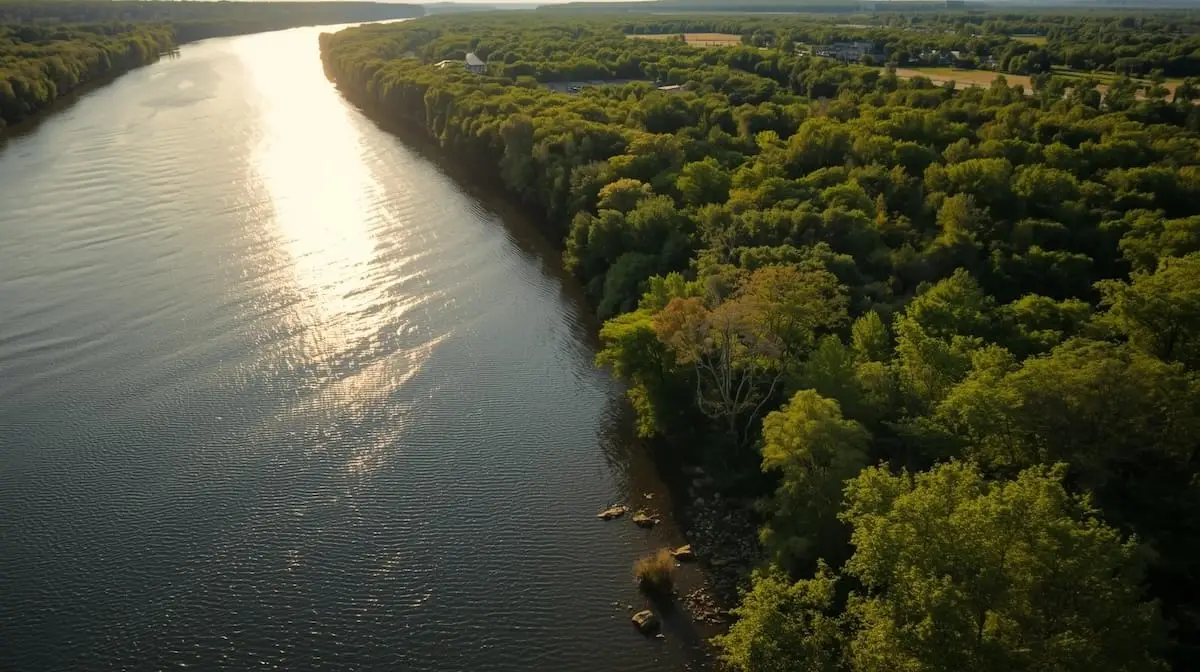
Arts, Culture, and Entertainment: The Creative Heart of Tulsa
A major part of Tulsa living is the city’s vibrant arts and entertainment scene. What surprises many newcomers is just how deep Tulsa’s creative roots run—from world-class museums and historic music venues to modern festivals, public art, and a thriving performing arts community. Whether you love live music, gallery nights, indie films, or large-scale productions, Tulsa offers an impressive—and accessible—range of cultural experiences.
A Rich Artistic Legacy
Tulsa’s art identity is shaped by its history as an oil-boom city and a hub for Art Deco architecture. Many of the city’s most striking buildings date back to the early 20th century, giving downtown and Midtown their iconic look and feel.
Art Deco highlights include:
Boston Avenue Methodist Church – a nationally recognized architectural masterpiece.
Philcade and Philtower Buildings – stunning examples of Art Deco detail and craftsmanship.
Tulsa Union Depot (now home to the Jazz Hall of Fame) – a beautifully preserved landmark.
This architectural foundation influences much of the city’s creative spirit.
Museums That Rival Bigger Cities
Tulsa’s museums are among the strongest cultural assets in the region, offering both world-renowned collections and cutting-edge exhibitions.
Key museums include:
Philbrook Museum of Art: Housed in the former villa of oilman Waite Phillips, Philbrook combines European, American, Native American, and contemporary works with some of the most beautiful gardens in the state.
Gilcrease Museum: Home to one of the world’s most comprehensive collections of Western and Native American art (with major renovations underway).
Bob Dylan Center: A globally recognized archive, museum, and immersive experience celebrating Dylan’s creative legacy.
Greenwood Rising: A powerful, modern history center honoring the legacy and resilience of the Greenwood District and Black Wall Street.
These institutions provide educational programs, events, and rotating exhibitions that keep local culture dynamic and accessible.
You might also like reading about Tulsa Neighborhoods and Lifestyle for more cultural hotspots around town.
A Music Scene with National Influence
Tulsa has earned its place on the national music map thanks to its storied past and thriving modern scene.
Legendary venues and institutions include:
Cain’s Ballroom: Known as the “Carnegie Hall of Western Swing,” drawing top artists across genres.
The Tulsa Theater: A historic landmark hosting major concerts, comedy tours, and theatrical events.
Vanguard: A staple for indie, punk, and emerging artists.
Woody Guthrie Center: Dedicated to the life and legacy of the famed folk musician.
Tulsa’s music culture is lively, diverse, and woven into the city’s identity.
Theatre, Ballet, Opera, and Live Performance
Tulsa’s performing arts community is impressively robust for a mid-sized city, offering year-round programming that appeals to a wide audience.
Core institutions include:
Tulsa Performing Arts Center (PAC): Hosting Broadway tours, symphony concerts, local productions, and special events.
Tulsa Ballet: A world-class company known for contemporary and classical performances.
Tulsa Symphony Orchestra: Performing major works, holiday programs, and collaborative events.
Tulsa Opera: One of the oldest opera companies in the U.S., presenting bold interpretations and traditional productions.
Residents enjoy big-city cultural experiences without the high ticket prices or long commutes typical of larger metros.
Public Art, Festivals, and Creative Districts
Tulsa’s creative energy comes alive in its neighborhoods, parks, and festivals.
Notable examples include:
Guthrie Green: Outdoor concerts, movie nights, fitness classes, and free cultural events.
First Friday Art Crawl: Held monthly in the Arts District, featuring galleries, studios, and pop-up makers.
Mayfest: A beloved spring arts festival showcasing local and national artists.
Tulsa Oktoberfest: One of the most notable Oktoberfest celebrations in the country.
Tulsa State Fair: A major fall tradition with entertainment, food, and family attractions.
Tulsa Tough: A high-energy cycling festival that brings national attention.
Recreation and creativity intersect here, creating memorable community experiences.
Entertainment for Every Interest
Tulsa’s entertainment offerings extend well beyond traditional arts.
Residents enjoy:
Local breweries and craft taprooms
Independent film screenings at Circle Cinema
Comedy clubs, trivia nights, and open-mic events
Sports like Tulsa Drillers baseball and FC Tulsa soccer
Food truck festivals and farmers markets
Seasonal light displays and holiday events
This diversity means there’s always something new to do, whether you’re single, raising a family, or enjoying retirement.
Why Arts and Entertainment Matter to Tulsa Living
These cultural experiences are more than amenities—they shape daily life, foster community, and create a sense of place.
Benefits include:
Accessible entertainment for all budgets
Opportunities for social connection
Enrichment for kids and families
A vibrant atmosphere that attracts new residents
Events that bring local neighborhoods together
Tulsa’s cultural scene is one of the top reasons residents describe the city as warm, lively, and full of personality.
Shopping, Dining, and Local Favorites: Where Tulsa Eats, Shops, and Spends Time
A major part of Tulsa living is the convenience and variety of shopping and dining across the metro. From independent boutiques and local makers to well-known national retailers, and from chef-driven restaurants to family-owned cafés, Tulsa offers a balanced, approachable mix of options. Whether you’re running errands, planning a date night, or exploring a new neighborhood, you’ll find both charm and convenience at every turn.
Tulsa’s Vibrant Dining Scene
Tulsa’s restaurant culture has grown dramatically over the past decade, creating a food scene that feels both local and adventurous.
Neighborhood Highlights
Cherry Street (15th Street):
A hotspot for brunch, patio dining, and neighborhood restaurants. You’ll find sushi, Italian, farm-to-table, and intimate bistros all within a walkable stretch.
Brookside (Peoria Avenue):
Known for lively restaurants, coffee shops, rooftop patios, and a mix of casual and upscale dining.
Downtown & Arts District:
Chef-driven kitchens, breweries, food halls, and creative culinary experiences anchor these neighborhoods, perfect for date nights or weekend outings.
Jenks Riverwalk:
A family-friendly mix of riverfront restaurants, dessert shops, and entertainment options, all connected by a scenic path.
Types of Cuisine You’ll Find Everywhere
Modern American and farm-to-table
Authentic Mexican and Tex-Mex
Sushi and Asian fusion
Steakhouses
Mediterranean
Coffee shops and bakeries
Barbecue (a Tulsa staple)
Tulsa’s dining scene favors approachable, welcoming environments where quality and flavor take center stage.
Coffee Shops, Markets, and Local Makers
Tulsa residents love their local businesses, and it shows in the city’s vibrant maker community.
Local coffee shops like those in the Arts District, Brookside, and Midtown offer warm atmospheres ideal for remote work or casual meetups.
Farmers markets in Tulsa, Broken Arrow, and Jenks showcase local produce, baked goods, handmade crafts, and community events.
Maker spaces and artisan shops—from pottery studios to boutique gift stores—add personality to the area and support the creative local economy.
This “shop local” culture is a defining part of the Tulsa lifestyle.
Shopping Districts Across the Metro
Whether you’re hunting for home décor, fashion, outdoor gear, or everyday essentials, Tulsa’s shopping districts offer both selection and ease.
Utica Square
Known as Tulsa’s premier open-air shopping center, offering upscale retail, dining, and seasonal events—complete with manicured landscaping and classic architecture.
Woodland Hills
One of the largest malls in the region, anchored by major national retailers and surrounded by a dense corridor of stores and restaurants.
The Rose District (Broken Arrow)
A walkable downtown filled with boutiques, home décor shops, wine bars, cafés, and year-round events. Ideal for a relaxed evening stroll.
Owasso Market Area
A fast-growing commercial hub with national chains, specialty retailers, and a well-organized layout that makes errands efficient.
Jenks and Bixby Retail Corridors
Expanding areas offering a mix of big-box stores, local boutiques, and dining options, often anchored by new master-planned neighborhoods.
Tulsa residents appreciate that they rarely need to drive far for a wide selection of goods and services—convenience is built into daily life.
Local Breweries, Distilleries, and Food Halls
Tulsa’s brewery and craft beverage scene has become a major attraction, offering relaxed spaces for friends and families.
You’ll find:
Craft breweries with patios and live music
Food halls featuring rotating local vendors
Distilleries offering tours and tastings
Pop-up markets showcasing small food brands and artisans
These venues act as gathering places, bringing the community together in casual, welcoming environments.
Entertainment, Shopping, and Dining Combined
Many areas throughout Tulsa create a blended experience where you can shop, dine, and enjoy entertainment in one trip.
Examples include:
The Boxyard – A downtown micro-retail center made from shipping containers.
Utica Square’s seasonal events – Lights On, art shows, and outdoor concerts.
Guthrie Green – Surrounded by cafés, galleries, and event programming.
Village at Woodland Hills – Retail, dining, and lifestyle services in one connected center.
These multi-purpose destinations make it easy to enjoy a full day out without moving your car.
Why Shopping and Dining Enhance Tulsa Living
It’s not just the convenience—it’s the personality and accessibility of Tulsa’s local businesses that make everyday life feel enjoyable and connected.
Residents appreciate:
A mix of local and national retailers
Shorter parking and wait times than larger cities
Budget-friendly dining options alongside elevated experiences
Seasonal events that make shopping districts feel festive and lively
The creativity of local chefs, artisans, and entrepreneurs
These daily conveniences and experiences are a meaningful part of why people choose—and stay with—life in Tulsa.
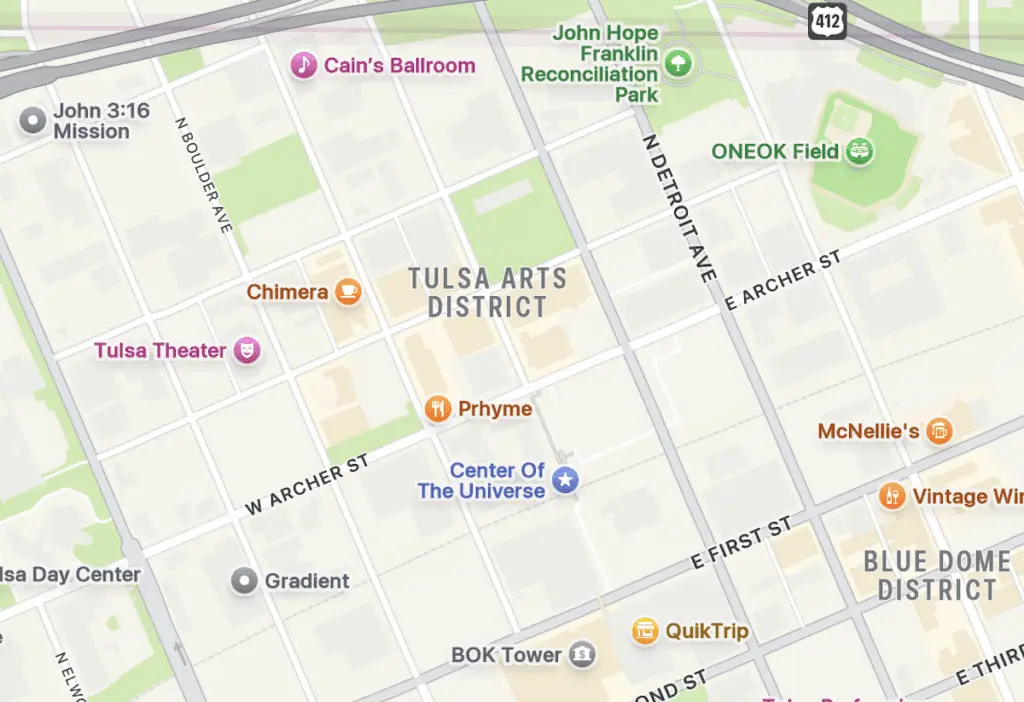
Community, Connection, and Local Events: The Heartbeat of Tulsa Life
One of the most defining elements of Tulsa living is the strong sense of community that shapes daily life. Tulsa strikes a rare balance—big enough to offer cultural depth and opportunity, yet small enough that people feel truly connected to their neighborhoods, schools, and local traditions. Whether you’re attending seasonal festivals, cheering at a school event, volunteering, or exploring weekend markets, Tulsa’s community-oriented spirit plays a meaningful role in everyday living.
A City Built on Neighborly Connection
Tulsa residents consistently describe the city as friendly, welcoming, and grounded. Whether you live in a historic Midtown neighborhood, a master-planned community in South Tulsa, or one of the metro’s growing suburbs, community interaction is part of the culture.
Tulsa neighborhoods often feature:
Holiday lights competitions and block parties
Neighborhood pools and playgrounds
HOA events, cookouts, and social groups
Walkable pockets where neighbors gather at local cafés
Active online groups that share recommendations and support
This creates an atmosphere where newcomers integrate quickly and families feel embraced.
Signature Annual Events That Define Tulsa Living
Tulsa’s events calendar is full year-round, offering something for every age, interest, and season. These traditions help anchor the Tulsa lifestyle and provide residents with reliable, fun ways to connect.
Notable annual events include:
Tulsa International Mayfest
A major citywide arts festival celebrating local and national artists with booths, performances, food vendors, and family-friendly activities.
Tulsa Oktoberfest
One of the most recognized Oktoberfest celebrations in the U.S., featuring German cuisine, music, games, and rides.
Tulsa Tough
A high-energy professional cycling race and festival that attracts athletes and spectators from across the country.
Route 66 Marathon
A signature running event with scenic city routes, neighborhood cheer zones, and strong community participation.
Winterfest in Downtown Tulsa
Holiday lights, ice skating, pop-up shops, and festive displays transform downtown into a seasonal destination.
Renaissance Festivals, Greek Festivals, and Cultural Celebrations
Tulsa’s multicultural community is reflected in a range of cultural festivals honoring diverse traditions and heritage.
These events elevate the rhythm of life in Tulsa, giving residents something to look forward to every season.
Farmer’s Markets and Local Makers
Few things embody Tulsa’s community feel like the weekend farmers markets found across the metro. These markets support local growers, artisans, bakers, and small businesses.
Popular markets include:
Tulsa Farmers Market (often held around Cherry Street)
Broken Arrow Farmers Market in the Rose District
Jenks and Bixby community markets with produce, crafts, and live music
Residents love the opportunity to shop local, meet makers, and support family-owned businesses.
Community Organizations and Volunteering
Tulsa offers countless ways to get involved, give back, and build relationships.
Opportunities include:
Food banks and meal programs
Animal shelters and pet rescues
Neighborhood beautification projects
Youth mentorship programs
Nonprofit organizations focused on healthcare, education, and the arts
Whether you’re new to town or a long-time resident, community involvement is a natural part of the Tulsa experience.
For vetted volunteer opportunities, the City of Tulsa frequently updates its public service and community engagement resources.
Sports, Youth Activities, and Family Engagement
Families in Tulsa benefit from robust youth sports leagues, school events, and community programs that encourage social interaction and physical activity.
Popular activities include:
Soccer, baseball, and football leagues
Dance, gymnastics, and cheer programs
STEM clubs and after-school programs
Community pools and recreational centers
These activities create natural gathering points for families and help kids find their place socially and academically.
Neighborhood and Suburban Events
Outside the central city, Tulsa’s suburbs offer their own lively events calendars.
Examples include:
Broken Arrow’s Rooster Days: One of the oldest festivals in Oklahoma.
Owasso Gathering on Main: A monthly event with food trucks, vendors, and live entertainment.
Jenks’ holiday parades and aquarium events
Bixby’s Freedom Celebration and local concerts
This strong suburban event culture expands the community experiences available to residents across the metro.
Why Community Matters to Tulsa Living
The true value of Tulsa’s community culture shows up in day-to-day life. Residents appreciate the ability to:
Build friendships quickly
Participate in local traditions
Feel connected to their neighborhood
Enjoy free and low-cost entertainment
Celebrate the seasons with festivals and gatherings
Raise children in an environment grounded in connection and support
This emphasis on community is one of the main reasons many people choose to stay in Tulsa long-term.
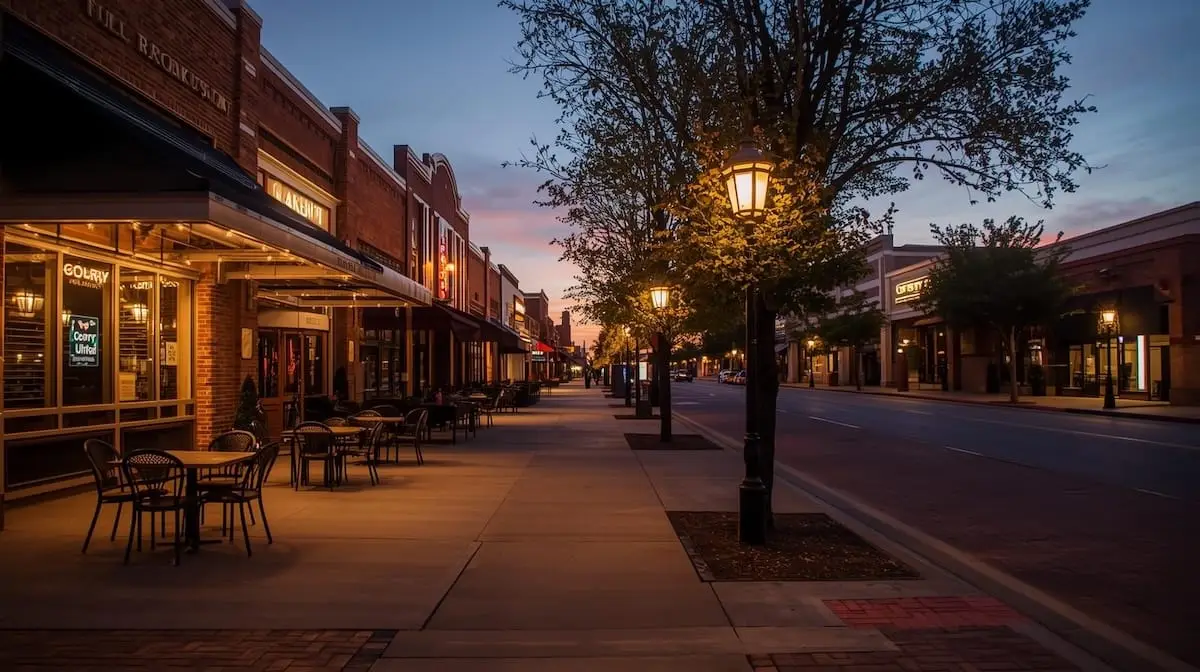
Housing and Real Estate: What to Expect When Finding a Home in Tulsa
Housing plays a central role in Tulsa living, and one of the biggest advantages of this metro is the broad range of options—historic homes near the city center, modern new-construction communities in fast-growing suburbs, urban lofts in revitalized districts, and acreage properties for those wanting more space. Combined with affordable prices and varied neighborhood personalities, Tulsa’s real estate landscape offers something for every stage of life.
A Market That Balances Affordability and Choice
Compared to major metros, Tulsa’s housing costs remain significantly more approachable. This gives buyers more flexibility in choosing the type of home and neighborhood that truly fit their needs.
Residents benefit from:
Lower median home prices than national averages
More square footage and larger yards for the price
A mix of old and new construction across the metro
Variety in architectural styles and neighborhood character
This affordability also makes it easier to move up to a larger home, downsize without financial pressure, or invest in improvements that elevate long-term value.
You might also like reading about Buying a Home in Tulsa for a deeper look at the process and what to expect.
Types of Homes You’ll Find Across the Tulsa Metro
Historic Homes in Midtown and Near Downtown
These neighborhoods feature early 20th-century architecture—Craftsman, Tudor, Colonial, and bungalow styles—often updated with modern amenities while retaining their charm.
Modern Suburban Homes in South Tulsa, Bixby, Jenks, and Owasso
Master-planned communities, updated floor plans, neighborhood pools, playgrounds, and well-maintained HOA environments define many of these areas.
New Construction Communities
Ongoing growth across the metro provides a steady supply of brand-new homes with energy-efficient designs, open layouts, and customizable finishes.
Condos, Townhomes, and Urban Lofts
Perfect for downsizers, young professionals, or buyers wanting a low-maintenance lifestyle close to restaurants, entertainment, and downtown activities.
Acreage Properties in Outlying Areas
Buyers seeking privacy, animals, outbuildings, or large gardens can find excellent options in Sand Springs, Sapulpa, Coweta, and rural edges of the metro.
This range gives residents the freedom to choose a home that fits their lifestyle—something not always possible in higher-priced cities.
Neighborhood Amenities That Enhance Tulsa Living
Many Tulsa-area neighborhoods offer amenities that enrich daily life and support community connection.
Common features include:
Community pools
Playgrounds and greenbelts
Walking trails and ponds
Clubhouses and fitness centers
Gated entries in certain communities
Well-maintained landscaping and entrances
These amenities add convenience, recreation, and long-term value, especially for families or homeowners planning to stay long-term.
What to Expect in Today’s Tulsa Housing Market
Tulsa’s market is steady, competitive in certain price ranges, and continues to grow as more people relocate from out of state.
Current trends include:
Low-to-moderate inventory, especially for homes priced under the metro median
Strong demand in South Tulsa, Broken Arrow, Bixby, Jenks, and Owasso
Increased interest in new construction due to available inventory and builder incentives
Higher activity in walkable neighborhoods and established communities in Midtown
Because the market varies by neighborhood and price point, local insight is especially valuable when timing a purchase or preparing to list a home.
Renting in Tulsa
The rental market offers its own set of advantages, including affordability and location flexibility.
Renters typically find:
A variety of apartment communities with modern amenities
Single-family homes for lease in most suburbs
Urban lofts and downtown living options
Reasonable monthly rents compared to national averages
Many renters ultimately transition into homeownership because the cost difference is manageable, and Tulsa’s affordability makes buying a realistic long-term goal.
Long-Term Value and Investment Potential
Tulsa’s steady growth, expanding job market, and ongoing revitalization efforts continue to support long-term property value.
Key factors supporting strong value include:
Continued development in suburbs and downtown
Infrastructure improvements and new amenities
Expanding cultural and entertainment districts
Stable employment sectors
Growing interest from out-of-state buyers
These trends help protect homeowner equity and support healthy appreciation over time.
How Housing Supports the Tulsa Lifestyle
A home in Tulsa is more than a place to live—it’s a foundation for enjoying the lifestyle the metro supports. Affordable mortgages, spacious neighborhoods, strong schools, and easy commutes all work together to create a sense of stability and comfort.
Residents enjoy:
More space for hobbies, guests, and family life
Outdoor living potential with larger yards and patios
Proximity to parks, trails, restaurants, and entertainment
The ability to invest confidently in their long-term plans
This integration of housing and lifestyle is one of the strongest reasons people choose life in Tulsa and stay for decades.
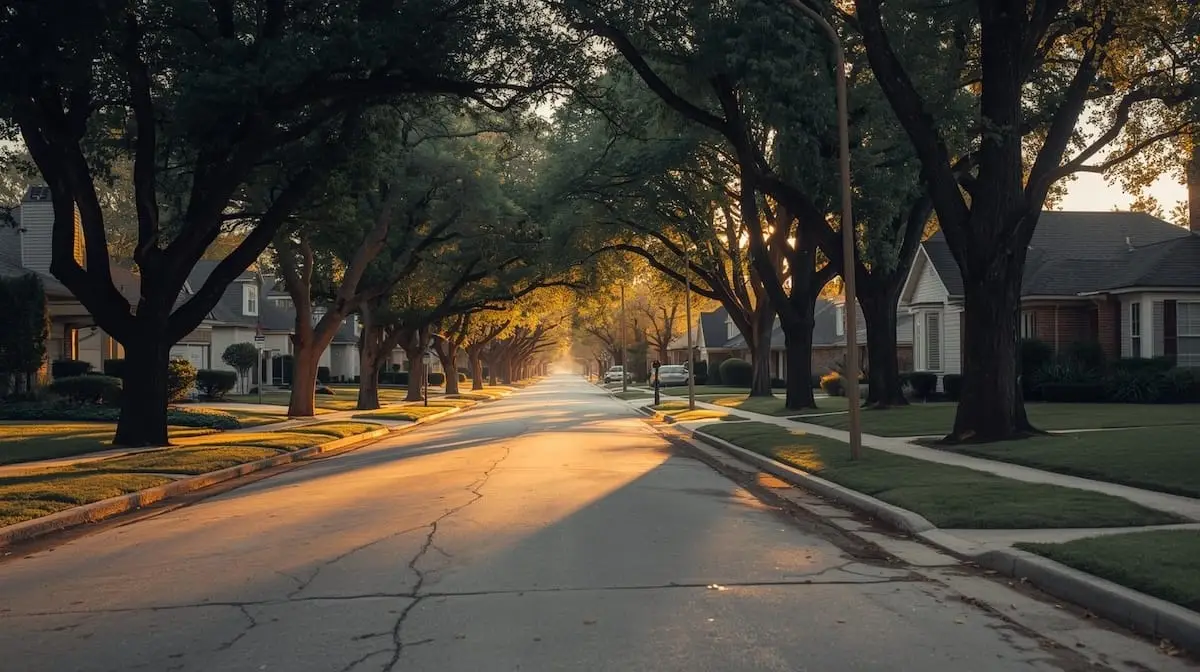
Healthcare and Wellness: Quality Care and Healthy Living in Tulsa
A well-rounded picture of Tulsa living includes understanding the city’s healthcare access, wellness resources, and the overall environment that supports physical and mental well-being. Tulsa offers a strong medical network, highly rated hospital systems, and abundant opportunities for active, healthy lifestyles. Whether you’re raising a family, planning for retirement, or simply prioritizing long-term wellness, Tulsa provides reliable and accessible care across the metro.
Major Healthcare Systems Serving the Tulsa Area
Tulsa is home to several large, reputable healthcare networks that provide comprehensive care—from emergency services to specialty treatment and preventative medicine.
Saint Francis Health System
One of the largest healthcare providers in the region, offering:
A major hospital campus in South Tulsa
Specialty care centers in cardiology, oncology, orthopedics, and women’s health
Pediatric care through The Children’s Hospital at Saint Francis
Numerous outpatient clinics across the metro
Hillcrest HealthCare System
A diverse network serving the city and surrounding suburbs with:
Specialized cardiac and pulmonary care
A major medical center near downtown
Hillcrest South, offering advanced surgical and emergency care
Community hospitals in Cushing, Henryetta, and Pryor
Ascension St. John Health System
A highly regarded provider offering:
St. John Medical Center near Midtown
Advanced neurological and cardiac care
Clinics throughout Tulsa, Broken Arrow, and Owasso
Strong telehealth services for convenient access
These systems create an environment where residents rarely need to travel far for specialty services or emergency care.
Specialty Care and Medical Services
Tulsa’s medical community includes a wide range of specialists, making it a reliable metro for complex care needs.
Specialty areas include:
Orthopedics and sports medicine
Women’s health and maternity care
Oncology, hematology, and infusion centers
Behavioral and mental health
Gastroenterology
Dermatology and cosmetic services
Pediatric sub-specialties
Because Tulsa is a regional hub for specialized care, many patients across northeast Oklahoma travel here for treatment.
Integrative & Holistic Wellness Options
Beyond traditional healthcare, Tulsa offers expanding opportunities for whole-person wellness.
Options include:
Yoga studios and fitness centers across the metro
Pilates, barre, spin, and boutique fitness studios
Chiropractic and acupuncture services
Nutrition counseling and functional medicine
Outdoor fitness classes, especially at The Gathering Place and River Parks
These resources help residents build a well-rounded approach to health—one of the core benefits of life in Tulsa.
Mental Health and Community Support
Tulsa places increasing emphasis on mental health and emotional well-being through both private providers and nonprofit organizations.
Examples include:
Licensed counselors and family therapists across the metro
Integris mental health resources
Nonprofits supporting grief counseling, trauma recovery, and youth development
Community programs focused on stress reduction, mindfulness, and emotional support
The broad availability of mental health resources makes navigating life’s challenges more manageable for residents of all ages.
Fitness and Active Living
Tulsa’s landscape and climate support an active lifestyle year-round, reinforced by wellness-focused infrastructure and community programming.
Active living opportunities include:
River Parks running and cycling trails
Turkey Mountain hiking and mountain biking
Community rec centers and gyms in every suburb
Organized sports leagues for adults and kids
Outdoor yoga, boot camps, and running clubs
Disc golf courses, pickleball courts, and golf courses
The abundance of accessible, affordable activities encourages residents to stay active and engaged.
Healthy Eating and Local Food Access
Nutrition plays a meaningful role in wellness, and Tulsa makes it convenient to live—and eat—well.
Residents enjoy access to:
Farmers markets with fresh produce
Health-focused grocery options across the metro
Local bakeries, juiceries, and smoothie shops
Restaurants offering gluten-free, vegan, and whole-food menus
Specialty stores for supplements, organics, and natural health
Tulsa’s growing food culture supports healthy choices without sacrificing flavor or convenience.
How Tulsa Supports Long-Term Wellness
The combination of modern healthcare, strong hospital systems, outdoor recreation, and everyday wellness resources creates a lifestyle that promotes long-term health and balance.
Benefits include:
Quick access to specialty medical services
Reliable emergency care
Multiple avenues for preventative health
A community environment that encourages activity and connection
Affordable wellness options for all ages
A lifestyle that makes healthy habits easier to maintain
For many residents, this holistic wellness environment becomes one of the most valuable aspects of Tulsa living.
Safety, Services, and Everyday Practicalities: What to Know About Daily Life in Tulsa
One of the most reassuring aspects of Tulsa living is how practical and manageable everyday life feels. From reliable city services to ongoing public safety efforts and well-maintained infrastructure, Tulsa provides the foundational support residents need for a comfortable lifestyle. Whether you’re relocating, buying your first home, raising a family, or downsizing, it’s helpful to understand how the city prioritizes day-to-day livability.
Public Safety and Community-Focused Policing
Tulsa’s approach to public safety emphasizes responsiveness, visibility, and community connection. The city continues to invest in modern equipment, training programs, and neighborhood outreach to build trust and improve efficiency.
Key components include:
Tulsa Police Department (TPD): Multiple divisions serving neighborhoods across the city, including community resource officers and specialized units.
Suburban police departments in Broken Arrow, Bixby, Jenks, Owasso, and Sand Springs, each offering strong local coverage.
Fire and EMS services: Well-coordinated emergency response times and strategically placed stations throughout the metro.
Neighborhood Watch programs that foster communication among residents and local officers.
While no city is without challenges, ongoing investment and community involvement contribute significantly to Tulsa’s sense of safety.
For verified safety updates, crime mapping, and community programs, the City of Tulsa provides public resources and data.
City Services and Local Government Support
Tulsa’s city services are well-organized, efficient, and accessible, helping residents navigate daily tasks with minimal friction.
Residents benefit from:
Reliable trash, recycling, and bulky-waste pickup
Street maintenance and infrastructure improvements
Stormwater management programs important during severe weather seasons
Online service portals for utility payments, permits, and reporting issues
Libraries, community centers, and public programming that support education and wellness
These services contribute to a well-kept city environment and simplify responsibilities for homeowners.
Utilities and Essential Services
Managing utilities in Tulsa is straightforward, with predictable service providers and competitive rates.
Essential services typically include:
Electricity: Public Service Company of Oklahoma (PSO)
Water & Sewer: City of Tulsa or suburb-specific providers
Natural Gas: Oklahoma Natural Gas (ONG)
Internet & Cable: Multiple providers including Cox, AT&T Fiber, and emerging fiber networks
Many neighborhoods—especially newer communities—also include optional HOA services for landscaping, security, or amenities.
Reliable and affordable utilities are part of what makes life in Tulsa financially manageable year-round.
Severe Weather Preparedness
Oklahoma weather can be variable, but Tulsa is well-prepared with robust alert systems, storm shelters, and emergency response teams.
Residents benefit from:
Citywide emergency alert systems
Local TV and radio updates with real-time coverage
Neighborhood and school shelter access in many areas
Professional, coordinated storm-response teams for cleanup and restoration
Clear public education programs about tornado readiness and seasonal storms
Preparedness is built into daily life, helping residents feel informed and supported during weather-related events.
Convenience in Daily Errands and Services
One of the most appreciated aspects of Tulsa living is the convenience of getting things done—grocery trips, pharmacy runs, school pickups, and appointments rarely involve long lines or heavy traffic.
Daily conveniences include:
Close proximity to retail and grocery stores in nearly every suburb
Multiple healthcare clinics and urgent-care centers
Quick access to gyms, salons, pet-care services, and home-improvement retailers
Drive-through efficiency—from coffee to prescriptions
Streamlined school drop-offs and after-school programs
This ease of movement and efficiency in everyday tasks reduces stress and supports a better work–life balance.
Community Resources and Support Systems
Tulsa offers a wide network of community-based resources that support families, newcomers, seniors, and people in transition.
Examples include:
YMCA and community recreation centers
Senior activity centers and wellness programs
Nonprofits providing housing, job placement, and financial education
Local food banks and meal programs
Youth mentoring and family support organizations
These programs strengthen community bonds and help ensure residents feel supported through all stages of life.
How Practical Infrastructure Enhances Tulsa Living
Everyday quality of life isn’t just about attractions—it’s about how smoothly a city functions. Tulsa’s infrastructure, services, and safety initiatives make daily living easier, more predictable, and more enjoyable.
Residents appreciate:
Consistent municipal services
A feeling of security in their neighborhoods
Convenient access to essentials
Affordable and reliable utilities
Clear communication from local government
Responsive emergency management
These practical strengths create a sense of comfort that supports the broader Tulsa lifestyle, helping residents focus on what matters most.
Weather and Climate: What to Expect Throughout the Year in Tulsa
A meaningful part of Tulsa living is understanding the local climate—how the seasons feel, how weather shapes daily routines, and what residents love (and prepare for) throughout the year. Tulsa experiences all four seasons, each bringing its own personality, outdoor opportunities, and rhythms to life in the metro. From warm summers to colorful falls and mild winters, the climate supports a lifestyle filled with outdoor recreation, seasonal events, and year-round activities.
A True Four-Season Climate
Tulsa’s weather provides a full seasonal experience, which many residents love. Each season plays a distinct role in shaping the Tulsa lifestyle.
Spring:
Blooming gardens, green landscapes, and comfortable temperatures
Popular time for riverfront walks, patio dining, local festivals, and gardening
Occasional thunderstorms, which are typical in the region
Summer:
Hot, sunny days with plenty of humidity
Ideal for lake weekends, pools, splash pads, and outdoor concerts
Longer daylight hours create more time for evening activities
Fall:
One of Tulsa’s best seasons—bright foliage, mild temperatures, crisp mornings
Perfect for farmers markets, football games, pumpkin patches, and long trail walks
A favorite time for both locals and visitors
Winter:
Generally mild with occasional cold snaps
Light snow is possible but not excessive
A comfortable season for indoor arts, local holiday events, and short outdoor excursions
This balanced climate supports both outdoor enthusiasts and residents who enjoy cozy indoor seasons throughout the year.
Spring in Tulsa: Vibrant, Floral, and Full of Energy
Spring brings renewed life to Tulsa. Trees and gardens burst with color, public parks fill with activity, and temperatures usually stay pleasant.
Spring favorites include:
Cherry blossoms at Woodward Park
Trail runs and charity events
Outdoor festivals like Mayfest
Gardening season in full swing
Family walks and bike rides along the river
It’s one of the most active outdoor seasons, and a beautiful introduction for newcomers.
Summer in Tulsa: Sunny Days and Water-Focused Fun
Tulsa summers are warm and lively, with plenty of opportunities to enjoy the region’s natural beauty.
Summer highlights:
Boating and fishing at Grand Lake, Skiatook Lake, and Keystone Lake
Family pool days and splash pads in nearly every suburb
Outdoor dining, live music, and seasonal markets
The Gathering Place’s water features and shaded play areas
Early mornings and late evenings outdoors when temperatures are cooler
While afternoons can be hot, there’s no shortage of ways to cool off or enjoy summertime traditions.
Fall in Tulsa: Crisp Air, Colorful Scenery, and Local Traditions
Fall is one of the most beloved seasons for life in Tulsa. Temperatures are comfortable, scenery is rich with color, and local events fill the calendar.
Fall activities include:
Pumpkin patches and corn mazes in surrounding areas
Tulsa State Fair
Tulsa Run and Route 66 Marathon season
Scenic drives toward the Ozarks
Hiking at Turkey Mountain in peak foliage
Holiday markets and downtown events
This season brings a festive, cozy atmosphere across the metro.
Winter in Tulsa: Mild, Manageable, and Bright with Events
Winter is generally mild, with occasional chilly days and rare snowfalls. Most days remain comfortable enough for errands, outdoor walks, and seasonal activities.
Winter highlights:
Winterfest in downtown Tulsa
Holiday lights at the Gathering Place, Philbrook, and Tulsa Botanic Garden
Indoor arts—theater, ballet, concerts, museums
Occasional snow days that feel exciting rather than burdensome
Because winter is not harsh, residents can enjoy year-round movement and outdoor access.
Severe Weather Considerations
Like much of Oklahoma, Tulsa experiences seasonal storms and occasional severe weather. While it’s a normal part of regional life, the city is well-prepared with established systems and public communication.
Residents rely on:
Accurate updates from local meteorologists
Citywide alert systems
Easily accessible storm-safety education
Neighborhood shelters and school safety protocols
Quick response teams for cleanup and restoration
For many longtime residents, seasonal storms are simply part of spring and early summer—but planning and awareness help ensure safety and confidence.
For official seasonal preparedness guidance, the City of Tulsa and Oklahoma emergency management provide excellent resources.
How Climate Shapes the Tulsa Lifestyle
The weather patterns in Tulsa support a lifestyle with variety, activity, and comfort year-round.
Residents enjoy:
Gardens and greenery in spring
Lake and river activities in summer
Festivals and foliage in fall
Festive events and mild conditions in winter
Affordable indoor and outdoor activities no matter the season
An overall climate that feels full of life and seasonal charm
Tulsa’s climate is one of the hidden advantages that contributes to a relaxed, enjoyable, and enriching way of life.
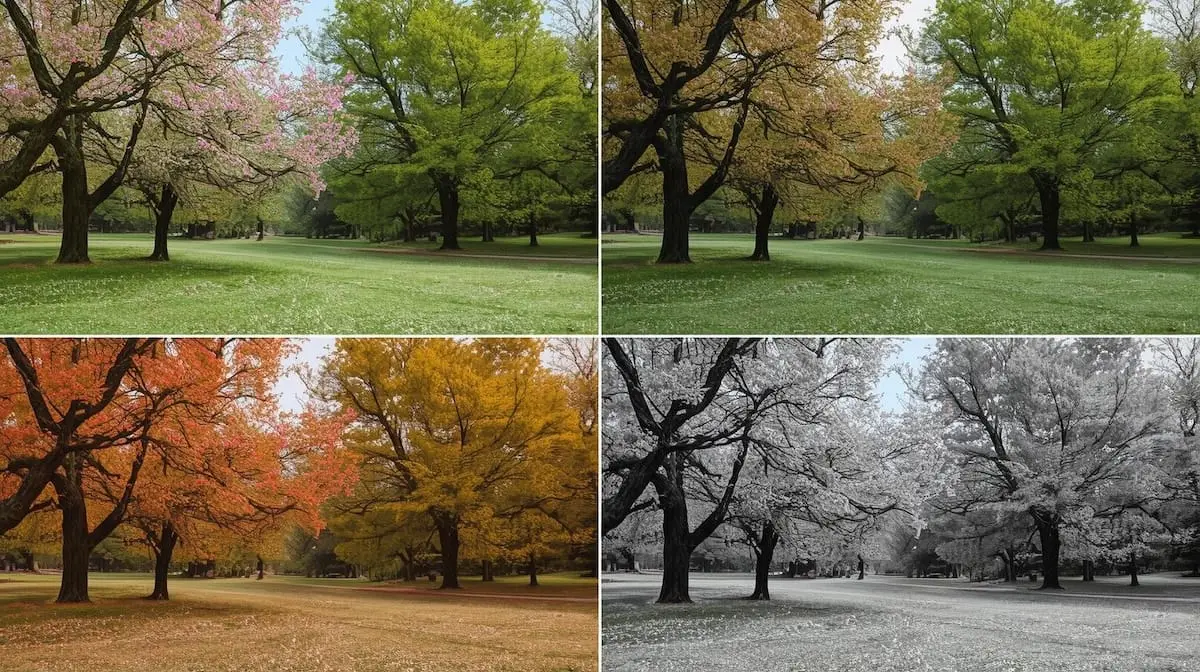
Why Tulsa Living Feels Like Home
Tulsa is one of those places that quietly surprises people—in the best possible way. It offers the conveniences of a city, the warmth of a community, the beauty of outdoor spaces, and the affordability that makes life feel manageable and enjoyable. Whether you’re searching for a walkable historic neighborhood, a spacious suburban home, or a fresh start in a growing metro, Tulsa living provides a balance that’s hard to find elsewhere.
What makes Tulsa special isn’t just one thing—it’s the combination of everything you’ve explored in this guide:
Distinct neighborhoods with their own personality
A strong economy and expanding job market
Accessible education and healthcare
Outdoor recreation for every season
Vibrant arts, culture, and entertainment
Community events that bring people together
Daily conveniences that make life easier and more enjoyable
For many residents, that combination becomes a lifestyle they want to build on for years to come.
If you’re considering moving to the area, ready to buy your first home, or thinking about transitioning to a new neighborhood that fits your next chapter, having a trusted local expert makes all the difference.
Your Next Step
If you want to explore neighborhoods, compare price points, or get personalized guidance on what part of Tulsa best fits your lifestyle, I’m here to help.
Let’s talk about what you’re looking for—and how to make Tulsa feel like home.
Share this post: on Twitter on Facebook