
Quick Answer
The Tulsa housing market 2026 continues to show steady price growth and strong demand, which means waiting to buy is rarely the money-saving strategy people hope for. While rates remain a factor, rising rents and missed equity gains make delaying a costly choice for most buyers in the Tulsa metro area.
Introduction
If you’ve been watching the Tulsa housing market in 2026 and thinking, “I’ll just wait a little longer,” you’re not alone. A lot of buyers are sitting on the sidelines right now, hoping for prices to drop or interest rates to fall before they make a move. It’s a completely understandable feeling. Buying a home is one of the biggest financial decisions you’ll ever make, and nobody wants to get the timing wrong.
But here’s the question worth asking: Is waiting actually saving you money, or is it costing you more than you realize?
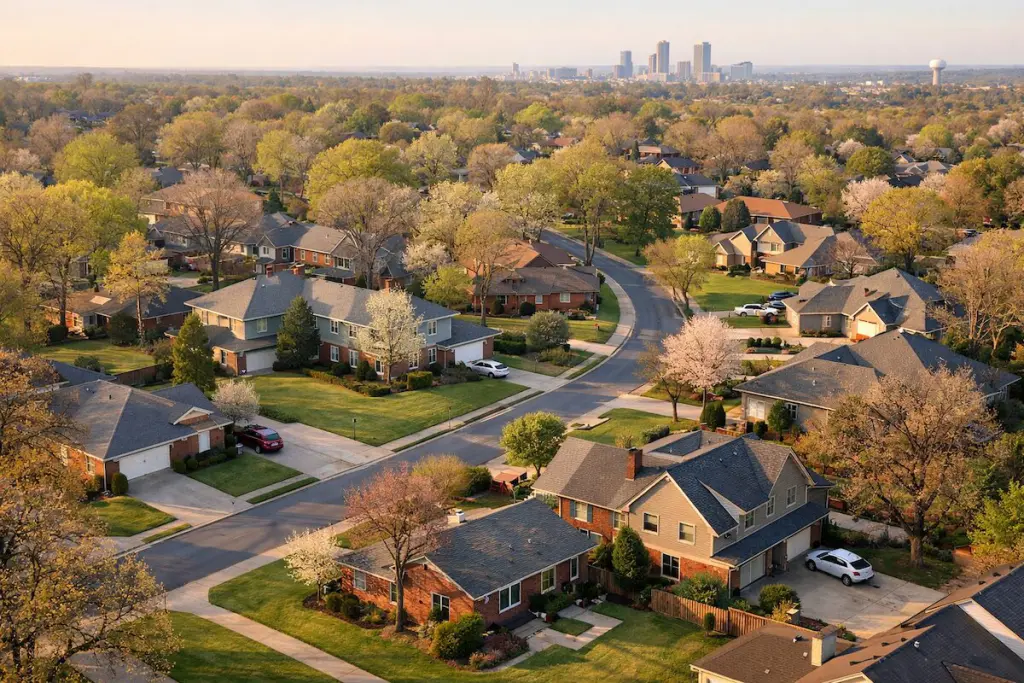
The Tulsa, Oklahoma real estate market has shown consistent resilience over the past several years. While national headlines about housing affordability and mortgage rates can feel alarming, Tulsa tells a different story. Home prices here remain far more accessible than in coastal markets, inventory has stayed relatively balanced, and demand continues to hold steady across the metro — from South Tulsa and Midtown to the growing suburbs of Broken Arrow, Bixby, Jenks, and Owasso.
What often gets overlooked in the “should I wait?” conversation is the real cost of waiting. Every month you delay is another month of paying rent with no return, another month of watching home values inch upward, and another month of missing out on equity that could be building in your favor. Waiting feels safe. But when you run the actual numbers in a market like Tulsa, the math rarely supports it.
This post breaks down what the Tulsa housing market looks like right now, why waiting often works against buyers, and what to consider before putting your plans on hold any longer.
At-a-Glance Summary
- Tulsa home prices have continued to appreciate steadily, making delays more expensive over time.
- Rents across the Tulsa metro have risen, narrowing the perceived savings from waiting.
- Equity begins building from day one of homeownership — renters miss out on this entirely.
- Mortgage rate fluctuations are unpredictable, and waiting for the “perfect” rate is a gamble.
- Suburbs like Broken Arrow, Owasso, Bixby, and Jenks continue to attract strong buyer demand.
- Buying sooner — even imperfectly — typically outperforms waiting in a stable, appreciating market.
What the Tulsa Housing Market 2026 Actually Looks Like
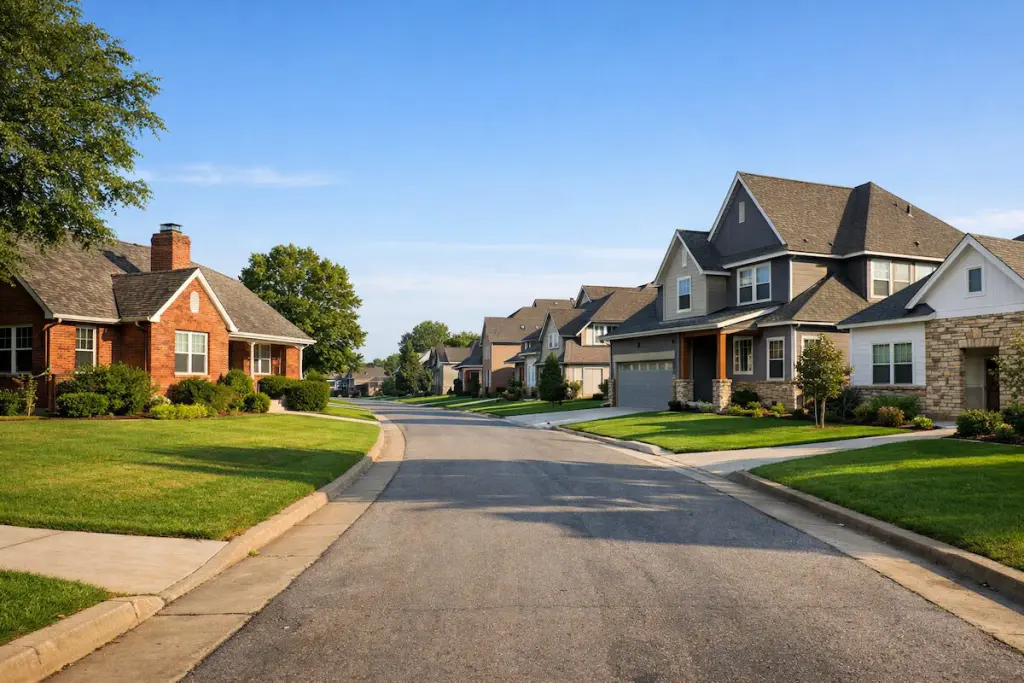
Understanding the current market is the first step in making a smart decision. The Tulsa housing market 2026 is best described as steady and competitive — not a frenzy like 2021, but far from a buyer’s windfall either. Prices have continued to climb at a measured pace, inventory remains limited in many price ranges, and well-priced homes are still moving relatively quickly.
Tulsa’s affordability compared to other metros continues to attract both local buyers and people relocating from higher-cost cities. That steady inflow of demand helps support home values even when the broader national market shows signs of cooling. In other words, Tulsa isn’t immune to national trends, but it tends to absorb them better than most.
Suburbs are a major part of this story. Broken Arrow remains one of the most sought-after communities in the Tulsa metro, with strong schools, newer construction, and a wide range of price points. Owasso continues to grow on the north side, drawing families who want space and newer infrastructure. On the south end of the metro, Bixby and Jenks are consistently popular for buyers who want highly rated schools and access to the river district.
What this means for buyers is straightforward: the inventory you’re hoping will flood the market probably isn’t coming. New construction is helping in some areas, but builders are not overbuilding the way they did before the 2008 crash. Demand is real, supply is limited, and prices are reflecting that reality across the Tulsa real estate market.
Explore what’s currently available — Start your Tulsa home search
The Real Cost of Renting While You Wait
This is the angle that most buyers underestimate. When you’re renting, every payment goes to your landlord’s mortgage — not yours. There’s nothing wrong with renting when it makes sense, but if you’re renting specifically because you’re waiting to buy, it’s worth understanding what that delay is actually costing you.
Rent prices across the Tulsa metro have increased over the past few years, and that trend hasn’t reversed. What once felt like a comfortable gap between renting and owning has narrowed significantly in many neighborhoods. In some cases, a mortgage payment on a comparable home is close to — or even less than — what renters are currently paying each month. That alone shifts the calculus.
Beyond the monthly comparison, there’s the issue of what you’re not building. Homeownership is one of the most reliable ways for everyday Americans to accumulate wealth over time. According to the Federal Reserve’s Survey of Consumer Finances, homeowners consistently hold significantly more net worth than renters — largely because of the equity they’ve built in their homes. Every year you wait is a year when equity goes into someone else’s pocket instead of yours.
Consider a simple scenario: a buyer in Bixby purchases a home at $320,000 in early 2026. Even at a modest annual appreciation rate of 3–4%, that home could be worth $330,000–$335,000 within a year. Meanwhile, the renter waiting for a better time has paid 12 months of rent with nothing to show for it in terms of ownership or equity.
Equity: The Wealth-Building Advantage Renters Miss
Equity is one of those concepts that sounds abstract until you see what it means in real dollars. In simple terms, home equity is the difference between what your home is worth and what you still owe on your mortgage. Every mortgage payment you make chips away at that balance, and every increase in your home’s value adds to it.
Home equity is the portion of your property you truly own, calculated by subtracting your remaining mortgage balance from the current market value of your home. It grows over time through a combination of principal paydown and property appreciation.
In Tulsa, equity growth has been real and consistent. Buyers who purchased homes three to five years ago have seen meaningful increases in their home values, with many building tens of thousands of dollars in equity without doing anything other than making their regular payments. That kind of passive wealth building is simply not available to renters.
The longer you wait to buy, the higher the purchase price is likely to be — which means a larger loan, potentially higher monthly payments, and a longer road to building meaningful equity. Starting that clock sooner, even in an imperfect market, almost always puts you in a better financial position down the road.
This is especially true in high-demand suburbs. A buyer who closes on a home in Jenks or South Tulsa today is locking in today’s price. If prices continue to appreciate — even modestly — that decision looks smarter with each passing year.
What About Mortgage Rates? Is It Worth Waiting for Them to Drop?
Mortgage rates are the most common reason buyers give for waiting. The logic makes sense on the surface: if rates drop, monthly payments go down, so why not wait? The problem is that this reasoning assumes rates will drop in a meaningful and predictable way — and that home prices won’t increase while you’re waiting.
Neither of those assumptions is reliable. Mortgage rate forecasting is notoriously difficult, and rates have defied predictions consistently over the past several years. Waiting six months or a year for a rate drop that may not materialize — or may only drop by a fraction of a percent — means paying higher home prices in the meantime.
There’s also a well-established principle in real estate: “date the rate, marry the house.” This means you buy when the right home is available, and if rates improve later, you can refinance. What you can’t do is go back in time and buy yesterday’s price. Locking in a home at today’s value in a market like Tulsa is almost always the smarter long-term play.
For buyers concerned about affordability, there are also loan programs worth exploring. The Oklahoma Housing Finance Agency (OHFA) offers down payment assistance and competitive rate programs for qualifying buyers. These programs can make a significant difference in getting a purchase to work right now, rather than waiting indefinitely.
Is There Ever a Good Reason to Wait?
Being fair here matters. There are situations where waiting is the right call, and it’s important to acknowledge them honestly. If your credit score needs significant work, if you’re in the middle of a major job transition, or if you simply don’t have enough saved for a down payment and closing costs, waiting to get those things in order is absolutely the smart move.
The goal isn’t to rush into a purchase before you’re ready. A home bought under financial stress can quickly become a burden rather than an asset. If your situation genuinely needs a few more months of preparation, use that time intentionally — build your savings, work on your credit, and get pre-approved so you’re ready to act when the time is right.
What doesn’t hold up as a reason to wait is the vague hope that the market will shift dramatically in your favor. In a market like Tulsa — stable, steady, and supported by real demand — that kind of dramatic shift is unlikely. Buyers who have been waiting for a crash or a major price correction in the Tulsa metro have mostly watched prices continue to rise.
Not sure if you’re ready? Schedule a low-pressure planning call
FAQ: Tulsa Home Buying Timing Questions
Is the Tulsa housing market going to crash in 2026? There is no credible data suggesting a Tulsa market crash in 2026. Tulsa’s housing market is supported by steady employment, population growth, and limited inventory — the opposite of conditions that a market is headed for a correction. While no one can predict the future with certainty, the fundamentals in the Tulsa metro remain solid compared to more volatile markets around the country.
Will Tulsa home prices drop if I wait? It’s unlikely that Tulsa home prices will see a significant drop. Prices may level off or appreciate more slowly in certain price ranges, but sustained price declines would require a major disruption to local employment or demand — neither of which is currently anticipated. Most buyers who wait for lower prices in Tulsa end up paying more than they would have if they had moved sooner.
How much do I need saved before buying a home in Tulsa? The answer depends on your loan type and price range, but a general guideline is to have 3–5% for a down payment on a conventional or FHA loan, plus 2–3% for closing costs. Some programs through the Oklahoma Housing Finance Agency offer down payment assistance that can reduce what you need upfront. Getting pre-approved is the best way to know exactly where you stand.
Is renting cheaper than buying in Tulsa right now? In many cases, no, especially when you factor in equity building and long-term appreciation. Monthly rent and mortgage payments on comparable homes are often close in the Tulsa metro, and owning comes with the added benefit of building wealth over time. Renting is only “cheaper” if you’re comparing the immediate monthly cost without accounting for what ownership provides in return.
What Tulsa suburbs are best for first-time buyers in 2026? Broken Arrow, Owasso, Bixby, and Jenks all offer strong value for first-time buyers — good schools, community amenities, and a range of price points. Midtown Tulsa and South Tulsa are popular among buyers who want to be closer to the city and have access to established neighborhoods. The right suburb depends on your lifestyle, commute, and budget. (link to Tulsa Neighborhoods guide)
Key Takeaways
- The Tulsa housing market in 2026 remains steady and appreciating — waiting is unlikely to lead to lower prices.
- Every month spent renting is a month of missed equity growth and wealth building.
- Rent prices in the Tulsa metro have risen, making the cost gap between renting and owning smaller than many buyers assume.
- Mortgage rates are unpredictable — waiting for the perfect rate often means paying a higher purchase price instead.
- There are valid reasons to wait, but vague hopes about market timing are not among them.
- Suburbs like Broken Arrow, Bixby, Jenks, and Owasso continue to see strong demand and steady price support.
Conclusion
The question isn’t really whether the Tulsa housing market will ever be more convenient for buyers. It’s whether waiting is actually making your situation better — or just postponing the same decision at a higher cost. For most buyers in the Tulsa metro area, the data points in one direction: the cost of waiting is real, and the benefits of waiting are mostly hypothetical.
Buying a home isn’t about finding the perfect moment. It’s about making a smart decision with the information you have, in a market that rewards ownership over time. Tulsa is that kind of market.
If you’re ready to stop wondering and start planning, let’s talk through your specific situation — no pressure, no sales pitch, just a clear conversation about what makes sense for you.
Schedule a low-pressure planning call today
Sources & References
- Federal Reserve Survey of Consumer Finances — homeowner vs. renter net worth data
- Oklahoma Housing Finance Agency (OHFA) — ohfa.org — down payment assistance and buyer programs
- U.S. Department of Housing and Urban Development (HUD) — hud.gov — homebuyer resources and loan program information
- Consumer Financial Protection Bureau (CFPB) — consumerfinance.gov — mortgage rate and loan comparison tools
- National Association of Realtors — nar.realtor — housing market trend data