
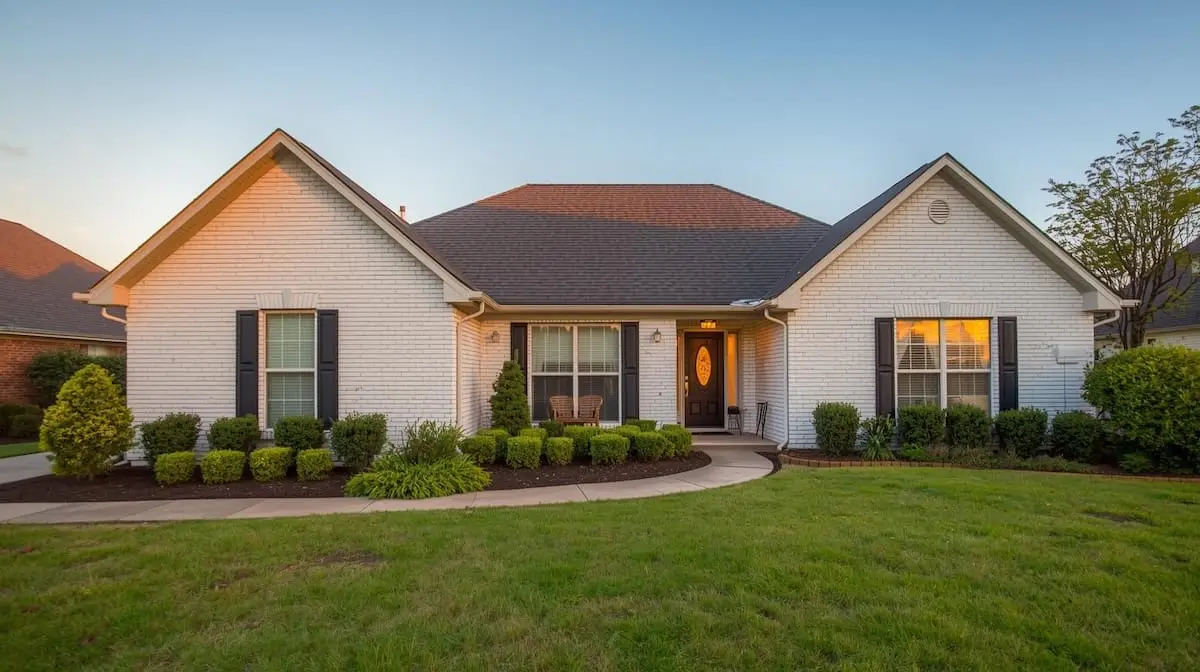
Why Tulsa Home Maintenance Matters
Owning a home in Tulsa comes with a unique set of responsibilities. Our four true seasons, shifting clay soil, sudden storms, and long stretches of heat all play a role in how homes age here. A property that looks effortless on the outside usually has a homeowner behind it who understands that maintenance is not something you do only when something breaks. It’s a rhythm, a routine, and one of the smartest ways to protect your home’s value over time.
Tulsa homeowners often find that staying proactive saves money, reduces stress, and makes day-to-day living more comfortable. A well-cared-for roof protects everything below it during spring storms. Clean gutters prevent foundation damage that might not show up until months later. A well-tuned HVAC system keeps energy bills steadier, especially in the hottest part of July. And simple seasonal tasks—done consistently—help your home stand up to Tulsa’s weather patterns far more effectively than reactive fixes.
This guide was created to give homeowners a reliable place to start, return to, and reference throughout the year. You’ll find a full seasonal maintenance routine, explanations of how Tulsa’s climate affects major home systems, value-boosting improvement ideas, and practical advice for when to DIY and when to bring in a licensed professional. Whether you live in a newer South Tulsa home, a midtown classic, or a Broken Arrow property with a little more acreage, the goal is the same: help your home stay strong, efficient, and ready for whatever Oklahoma weather sends your way.
As you move through this guide, you’ll also see natural opportunities to explore related topics across the site, including what to look for when buying a home in Tulsa or how to prepare your home for sale if you’re thinking about listing in the near future. Pillar posts like this one are designed to grow with your needs, offering deeper articles and listicles you can explore whenever you’re ready.
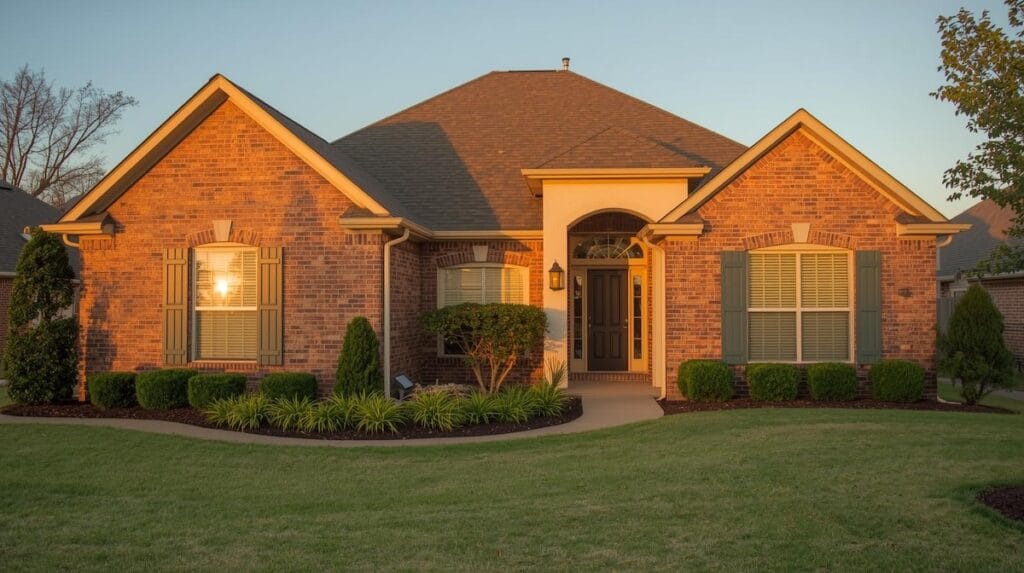
How Tulsa’s Climate Affects Your Home
Tulsa’s climate shapes nearly every part of how a home performs. We experience hot, humid summers, quick freeze–thaw cycles in winter, heavy spring rains, and the kind of wind events that can shift shingles even when a storm doesn’t appear severe. Understanding these patterns helps you stay ahead of issues long before they require a major repair.
One of the biggest factors is the constant movement in our soil. Much of the Tulsa metro sits on expansive clay that swells when it’s wet and contracts during dry spells. That movement can place pressure on foundations, driveways, patios, and even interior walls. It’s one of the reasons drainage matters so much here—water that sits against a home doesn’t just cause moisture problems; it can accelerate soil expansion and settlement.
Humidity is another year-round consideration. Summer heat combined with high moisture levels puts extra strain on HVAC systems, encourages mold growth in under-ventilated areas, and causes exterior materials like wood trim or siding to warp or deteriorate faster. Even newer homes feel the effects if filters, insulation, or attic ventilation aren’t maintained consistently.
Storm season brings its own set of concerns. Strong winds, hail, and rapid temperature shifts can impact roofing materials, windows, seals, and gutters. Even if damage isn’t immediately visible from the ground, a quick inspection after significant weather helps you catch small issues early.
Here is a simple overview of how each weather factor commonly impacts Tulsa homes:
| Tulsa Weather Pattern | Common Effects on Homes |
|---|---|
| Freeze–thaw cycles | Cracks in masonry, shifting soil, loose caulking |
| Heavy rainfall | Drainage issues, gutter overflow, foundation pressure |
| High humidity | HVAC strain, mold risk, wood swelling or warping |
| High winds & storms | Roof wear, damaged siding, window seal issues |
| Long dry spells | Soil shrinkage, foundation movement, stressed landscaping |
Taken together, these conditions create a home environment where staying proactive pays off. A few minutes spent checking gutters after a storm or sealing a small gap around a window can prevent far more significant issues months or years down the road.
As you move into the seasonal checklists in the next section, you’ll see how each maintenance task ties back to the natural rhythms of Tulsa weather—and why timing matters as much as the task itself.
Seasonal Maintenance Checklist for Tulsa Homes
Tulsa’s weather patterns shift quickly throughout the year, and each season brings its own set of maintenance priorities. A consistent seasonal routine helps your home stay efficient, protected, and ready for the next weather cycle. These lists are intentionally high-level for this pillar post, with opportunities to expand into deeper listicles later.
Spring Maintenance
Spring is the season to recover from winter and prepare for the arrival of storms. A few well-timed tasks can prevent leaks, flooding, or unnecessary strain on major systems.
Key tasks for spring:
Inspect the roof for loose or missing shingles.
Clean gutters and ensure downspouts are directing water away from the foundation.
Check exterior caulking and weather seals for winter cracking.
Schedule HVAC servicing before temperatures rise.
Power wash siding, patios, and walkways to remove winter film.
Examine fencing, decks, and outdoor structures for cold-weather damage.
Test sprinkler and irrigation systems for leaks or broken heads.
These tasks lay the groundwork for storm readiness during Tulsa’s most active weather months.
Summer Maintenance
Summer brings heat, humidity, and increased use of indoor systems. It’s also the time when outdoor spaces get the most attention, making it ideal for small repairs and efficiency improvements.
Key tasks for summer:
Replace or clean HVAC filters monthly to support heavy use.
Inspect attic ventilation to prevent heat buildup.
Trim trees and shrubs to reduce storm-related branch damage.
Check for seasonal pests like ants, wasps, or termites.
Refresh exterior paint or stain in areas exposed to intense sunlight.
Evaluate sprinkler efficiency to avoid overwatering.
Inspect decks, pergolas, and outdoor structures for weathering.
A well-maintained home performs better during the highest energy usage of the year.
Fall Maintenance
Fall is preparation season. Cooling temperatures signal the time to winterize, seal, and give your home a tune-up before the freeze–thaw cycles begin.
Key tasks for fall:
Clean gutters after early leaf drop and check again later in the season.
Schedule furnace servicing and test heat output.
Seal cracks around windows and doors to reduce heat loss.
Inspect roofs for summer storm damage.
Drain hoses, wrap outdoor faucets, and store yard tools.
Replace or test smoke and carbon monoxide detector batteries.
Have chimneys inspected if you use a wood-burning fireplace.
These tasks reduce the risk of winter damage and improve energy efficiency.
Winter Maintenance
Winters in Tulsa can be mild or surprisingly harsh depending on the year. Even short freezes can strain plumbing, roofing materials, and HVAC systems.
Key tasks for winter:
Insulate exposed pipes in garages, crawl spaces, and exterior walls.
Keep hoses detached and use faucet covers on outdoor spigots.
Check attic insulation for thin spots or air leaks.
Clean dryer vents to reduce fire hazards.
Monitor for drafts around doors and windows.
Run ceiling fans clockwise to circulate warm air.
Inspect the home after major freeze–thaw cycles for new cracks or gaps.
A little preparation goes a long way toward preventing weather-related issues.
Exterior Home Care: Protecting Curb Appeal and Structure
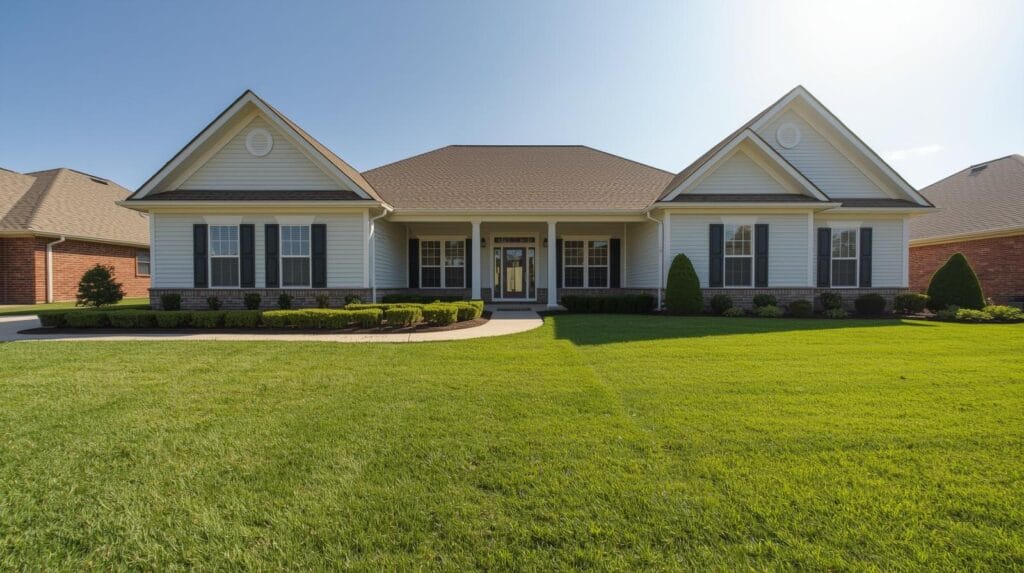
Your home’s exterior is its first line of defense against Tulsa weather. From high winds to heavy rain to months of intense sun, every part of the outside of your home works harder here than many people realize. Keeping the exterior in good condition not only improves curb appeal but also prevents moisture intrusion, structural movement, and unnecessary repair expenses down the road.
Roof and Gutter Care
The roof is one of the most important components to maintain in Tulsa, especially after storm season. Even minor shingle damage can lead to leaks or insulation issues.
What to check regularly:
Missing, lifted, or curled shingles
Debris buildup in valleys or gutters
Properly attached downspouts
Signs of granule loss in gutters or around the foundation
A quick inspection after major storms can help catch small issues before they become larger water problems.
Siding, Brick, and Paint
Exterior finishes take the brunt of Tulsa’s weather. Sun exposure, humidity, and temperature swings can wear out siding, trim, and brick over time.
Common areas to monitor include:
Peeling or fading paint from UV exposure
Warped or cracked siding
Gaps in caulking around trim, windows, and joints
Brick cracks or mortar wear
Repainting, recaulking, and spot repairs go a long way in keeping moisture out and extending the life of your exterior materials.
Windows and Doors
Windows and doors are key points of protection but are also vulnerable to shifting soil and temperature extremes.
Watch for:
Gaps or cracked caulking that allow drafts
Difficulty opening or closing (a sign of foundation movement)
Foggy window panes, indicating seal failure
Weatherstripping that has worn down over time
Making small adjustments and resealing annually can significantly improve comfort and reduce energy use.
Driveways, Walkways, and Hardscaping
Concrete surfaces feel the effects of Tulsa’s clay soil more than many homeowners expect. The expansion and contraction beneath these surfaces can create cracks or uneven areas.
Consider inspecting for:
New or widening cracks
Raised edges that create tripping hazards
Erosion or pooling water along edges
Settling near the garage or foundation
Simple repairs—like sealing cracks or redirecting water flow—help protect your property’s structure and appearance.
Drainage and Grading
Poor drainage is one of the most common factors in foundation movement across the Tulsa metro. Even newer homes can develop issues if water is allowed to sit near the structure.
Helpful steps include:
Making sure the soil slopes away from the home
Extending downspouts several feet from the foundation
Keeping gutters clear
Checking for erosion or bare spots where water collects
A few improvements to drainage can dramatically increase your home’s long-term stability.
Interior Systems Maintenance
A home’s interior systems are the engine that keeps everything running smoothly. In Tulsa, where temperatures swing from freezing mornings to humid summer evenings, these systems work especially hard. Staying on top of routine maintenance helps them last longer, operate more efficiently, and prevent unexpected breakdowns.
HVAC System Care
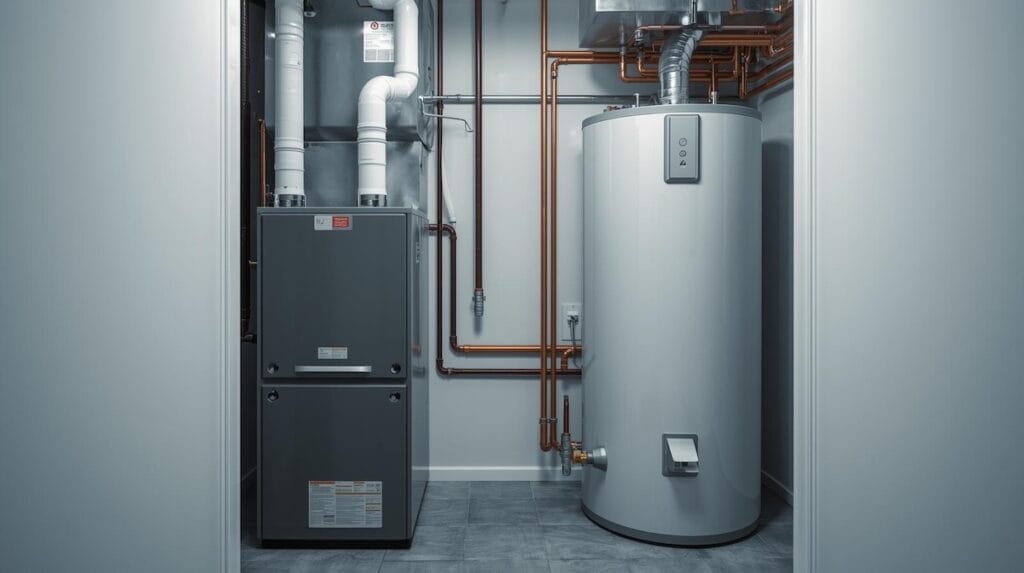
Heating and cooling systems handle some of the toughest workloads in Tulsa homes. Between summer heat waves and winter cold snaps, HVAC performance has a direct impact on comfort and monthly energy costs.
Important tasks include:
Replacing air filters every 30–60 days
Scheduling professional servicing twice a year
Keeping outdoor condenser units free of debris
Checking attic and crawl space insulation around ductwork
A well-maintained HVAC system improves efficiency and keeps indoor air quality healthier throughout the year.
Plumbing and Water Systems
Plumbing issues often begin as small warning signs—slow drains, minor leaks, or reduced water pressure. With Tulsa’s freeze–thaw cycles and older piping in some neighborhoods, routine monitoring is essential.
Areas to watch:
Leaks under sinks or around toilets
Water heater age and sediment buildup
Slow-draining fixtures
Exposed pipes in garages or exterior walls during winter
Flushing your water heater annually and insulating vulnerable pipes can prevent major failures when temperatures drop.
Electrical System Basics
While most electrical systems remain largely hidden, they are central to your home’s safety and daily function. Homes built before the mid-2000s may require updates to keep up with modern loads.
Check periodically for:
Tripped breakers or flickering lights
Outlets warm to the touch
Older panels reaching capacity
Missing GFCI outlets in kitchens, bathrooms, garages, or outdoor areas
If anything feels unusual, a licensed electrician should take a look—electrical issues can become safety hazards quickly.
Appliances and Ventilation Systems
Major appliances last longer when maintained proactively, especially in a climate that encourages humidity and dust accumulation. Ventilation systems also play an important role in indoor comfort.
Helpful habits include:
Cleaning dryer vents at least once a year
Clearing refrigerator coils to improve efficiency
Running bathroom exhaust fans after showers
Inspecting the range hood filter and ventilation duct
These simple tasks help appliances perform better and reduce moisture-related issues inside the home.
Fire Safety and Home Protection
A few small steps can make a big difference in keeping your home protected.
Tulsa homeowners should regularly:
Test smoke and carbon monoxide detectors
Replace batteries twice a year
Keep fire extinguishers accessible in the kitchen and garage
Review emergency plans during storm season
Combined with good system maintenance, these habits strengthen overall safety and peace of mind.
Tulsa-Specific Concerns Every Homeowner Should Know
Every region has its quirks, and in Tulsa, certain conditions show up more often because of our soil, weather patterns, and seasonal extremes. Understanding these local factors helps you spot early warning signs and make smart decisions about repairs and improvements.
Foundation Movement and Clay Soil
Tulsa sits on expansive clay soil that swells with moisture and shrinks during dry periods. This constant movement affects both older and newer homes.
Common signs of soil-related movement include:
Cracks in drywall, ceilings, or brick mortar
Doors or windows that suddenly stick
Gaps forming between trim and walls
Uneven or sloping floors
Good drainage, consistent soil moisture, and careful monitoring help reduce long-term foundation stress.
Drainage and Water Management
Because spring and early fall storms can bring heavy rainfall, water control is a critical part of maintaining a Tulsa home. Homes without proper drainage are more vulnerable to foundation issues, erosion, and moisture intrusion.
Important steps include:
Keeping gutters clean
Extending downspouts several feet away from the home
Ensuring soil slopes away from the foundation
Checking for pooling water after heavy rain
Even newer homes can develop drainage issues over time, so periodic checks are essential.
Storm and Wind Exposure
Tulsa is no stranger to strong storms, straight-line winds, and occasional hail. These events can impact roofing, windows, siding, and outdoor structures even when visible damage is minimal.
Homeowners should stay mindful of:
Roof shingles lifting or losing granules
Dented gutters or downspouts
Cracked or loosened siding
Window and door seals weakening over time
A quick exterior inspection after major storms helps catch issues early.
Pests and Seasonal Activity
Oklahoma’s warm climate supports a number of common household pests, especially during spring and summer.
Typical concerns include:
Termites
Carpenter ants
Wasps and hornets
Rodents seeking shelter during winter
Mosquitoes in high-moisture areas
Routine inspections and seasonal treatments can prevent damage and improve comfort.
Heat, Humidity, and Indoor Comfort
Extended periods of heat and humidity place extra strain on HVAC systems and make ventilation more important. Attic temperatures can climb quickly, reducing energy efficiency and contributing to wear on roofing materials.
Helpful measures include:
Ensuring proper attic ventilation
Maintaining consistent HVAC servicing
Using dehumidifiers in moisture-prone spaces
Checking insulation around ductwork
Staying ahead of heat-related issues helps keep energy costs more predictable.
These local conditions make proactive maintenance especially valuable for Tulsa homeowners. Addressing small concerns early often prevents more significant repairs, and understanding these patterns helps you prioritize the projects that matter most.
Energy Efficiency Improvements That Work in Tulsa
Energy efficiency matters everywhere, but it has a particular importance in Tulsa, where long stretches of heat, dense humidity, and sharp swings in temperature can drive utility bills higher than expected. Improving efficiency not only reduces monthly costs but also increases comfort and extends the life of your home’s major systems. Many of these upgrades are simple, affordable, and can be done gradually over time.
Insulation and Air Sealing
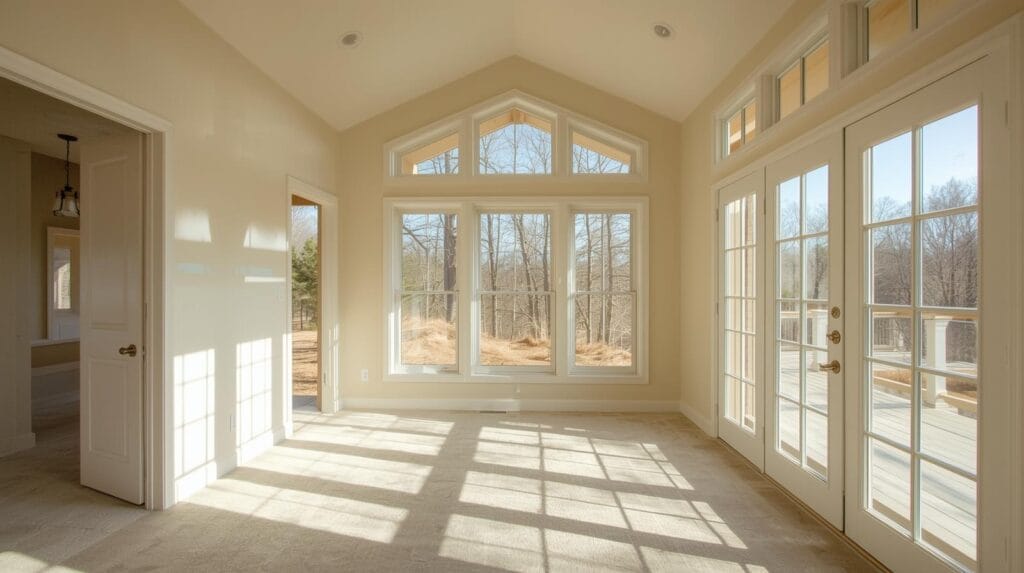
Proper insulation is one of the most effective ways to improve comfort in both summer and winter. Many Tulsa homes, including some newer builds, still benefit from additional insulation or sealing around key areas.
Common upgrades include:
Adding insulation to attic spaces
Sealing gaps around windows, doors, and trim
Using weatherstripping to prevent drafts
Insulating attic access points or pull-down ladders
These small improvements can noticeably reduce energy loss, especially during the hottest months.
Energy-Efficient Windows and Doors
Windows and doors are critical components of your home’s thermal envelope. Even well-maintained homes can experience heat transfer if older windows or worn seals are in place.
Consider improvements such as:
Installing double-pane or low-E windows
Resealing exterior door frames
Replacing failing weatherstripping
Adding shade structures or window films to reduce sun exposure
These upgrades help maintain consistent indoor temperatures and reduce strain on your HVAC system.
HVAC Efficiency and Smart Upgrades
Your heating and cooling system accounts for a large portion of your home’s energy use. Keeping it tuned and operating efficiently can produce year-round savings.
Helpful steps include:
Scheduling twice-yearly professional HVAC servicing
Replacing filters regularly
Cleaning air ducts when airflow decreases
Installing a smart thermostat to manage temperature swings
Smart thermostats, in particular, can make a significant difference during Tulsa’s high-demand seasons.
Lighting and Appliance Improvements
Modern lighting and newer appliances use less energy and produce less heat—an advantage during Tulsa summers when every bit of efficiency helps.
Quick upgrades include:
Switching to LED bulbs
Choosing Energy Star–rated appliances when replacements are needed
Reducing phantom power from plugged-in devices
Maintaining refrigerator coils and dryer vents for optimal performance
These updates are simple but add up over time.
Outdoor and Landscaping Considerations
Energy efficiency extends beyond your home’s walls. Strategic landscaping and small outdoor improvements can make a noticeable difference in indoor temperature and system performance.
Ideas that work well in Tulsa include:
Planting shade trees on the west and south sides of the home
Using reflective roofing materials when replacements are due
Adding solar lighting for pathways and yards
Installing insulated garage doors to reduce heat transfer
These strategies can reduce sun exposure, moderate temperature swings, and improve overall comfort.
Improving energy efficiency doesn’t have to be overwhelming. Most Tulsa homeowners make the biggest impact by focusing on insulation, HVAC performance, and window and door sealing. Small changes completed over time create long-term savings and a more comfortable living environment.
Home Improvement Projects That Add Value in Tulsa
Not every home improvement delivers the same return, and what works well in one part of the country doesn’t always translate to Tulsa. Local buyers tend to prioritize function, comfort, and durability—especially given our climate and how families use their homes. Whether you’re improving your space for long-term enjoyment or preparing to sell, the right updates can make a meaningful difference in both appeal and value.
Kitchen Improvements That Stand Out
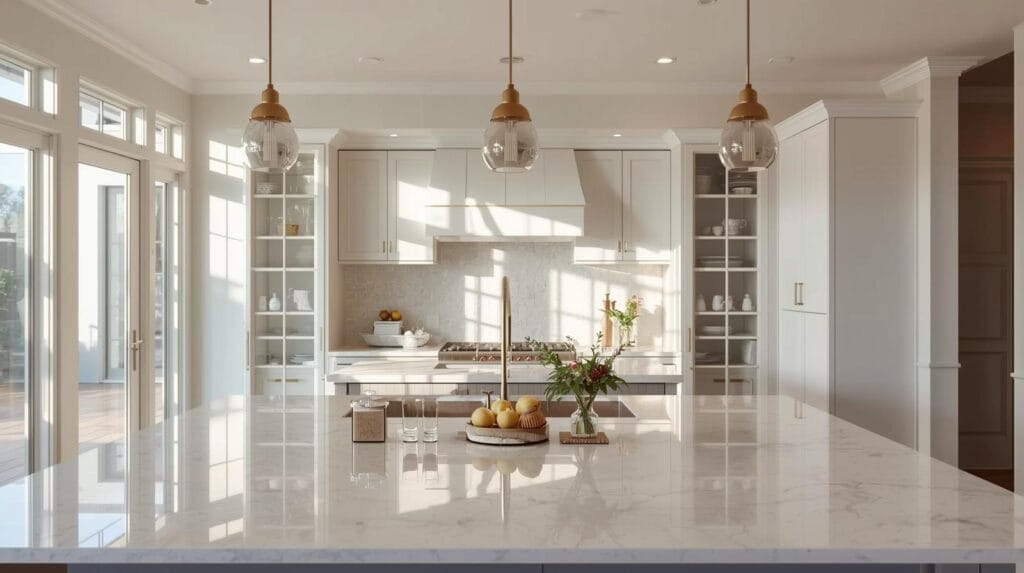
Kitchen updates consistently rank high for Tulsa buyers. You don’t need a full renovation to make an impact; even modest upgrades can transform how the space feels.
Projects that perform well include:
Replacing dated countertops with quartz or other durable surfaces
Refreshing cabinet doors or hardware
Upgrading lighting for better warmth and functionality
Installing energy-efficient appliances
Adding a clean, modern backsplash
Kitchens that feel open, bright, and easy to maintain tend to appeal most in our market.
Bathroom Refreshes That Deliver
Bathrooms play a surprisingly large role in perceived value. Simple improvements can elevate the look without requiring structural changes.
Common updates include:
New faucets and fixtures in modern finishes
Fresh paint and updated mirrors
Improved lighting or ventilation
Replacing worn grout or tile
Adding storage solutions that fit the space
Tulsa buyers generally appreciate clean lines and low-maintenance materials.
Flooring Upgrades for Everyday Living
Flooring makes an immediate impression and endures a lot of wear, especially with Tulsa’s mix of indoor-outdoor living and pets. Replacing old carpet or worn-out tile often goes a long way.
Smart choices include:
Luxury vinyl plank (LVP) for durability
Engineered hardwood for a higher-end look
Updated neutral carpet in bedrooms
Consistent flooring throughout main areas to create visual flow
Modern, cohesive flooring helps homes feel larger and more connected.
Lighting and Paint for Instant Improvement
Two of the most cost-effective updates are also among the most transformative. Good lighting enhances every room, while fresh paint modernizes without major structural changes.
Consider:
Updating to warm LED lighting
Installing modern fixtures in living rooms, dining rooms, and hallways
Painting walls in soft, neutral colors that brighten spaces
Refreshing trim for a crisp finish
These improvements pair well with almost any style of home across the Tulsa metro.
Outdoor Living and Curb Appeal
Outdoor areas have become increasingly important for Tulsa homeowners. Our long warm seasons make patios, decks, and porches valuable extensions of indoor living.
Upgrades that perform well include:
Updated landscaping and healthy turf
Refreshed flower beds with mulch and native plants
Improved outdoor lighting
Adding or updating a patio, deck, or pergola
Replacing weathered doors or garage doors
These enhancements not only boost curb appeal but also support comfort and functionality.
High-Impact Improvements for Resale
If resale is part of your long-term plan, a few targeted upgrades often provide strong return while appealing to the widest pool of buyers.
Top performers include:
New or updated HVAC systems
Roof replacement when needed
Energy-efficient windows
Modernized kitchen and bath finishes
Garage door replacement
These improvements provide both visual appeal and peace of mind for future buyers.
Thoughtful improvements—made gradually or with a specific goal in mind—help your home stay competitive in the Tulsa market. Quality materials, neutral design choices, and upgrades that support everyday living tend to deliver the most value over time.
When to DIY and When to Hire a Tulsa Professional
Some home projects are perfect for a confident do-it-yourself approach. Others require specialized knowledge, licensing, or equipment to ensure the job is done safely and correctly. Knowing the difference saves time, prevents costly mistakes, and protects the long-term value of your home. In Tulsa—where weather, soil movement, and local building codes all play a role—choosing whether to DIY or hire a pro becomes even more important.
Projects That Are Typically Safe to DIY
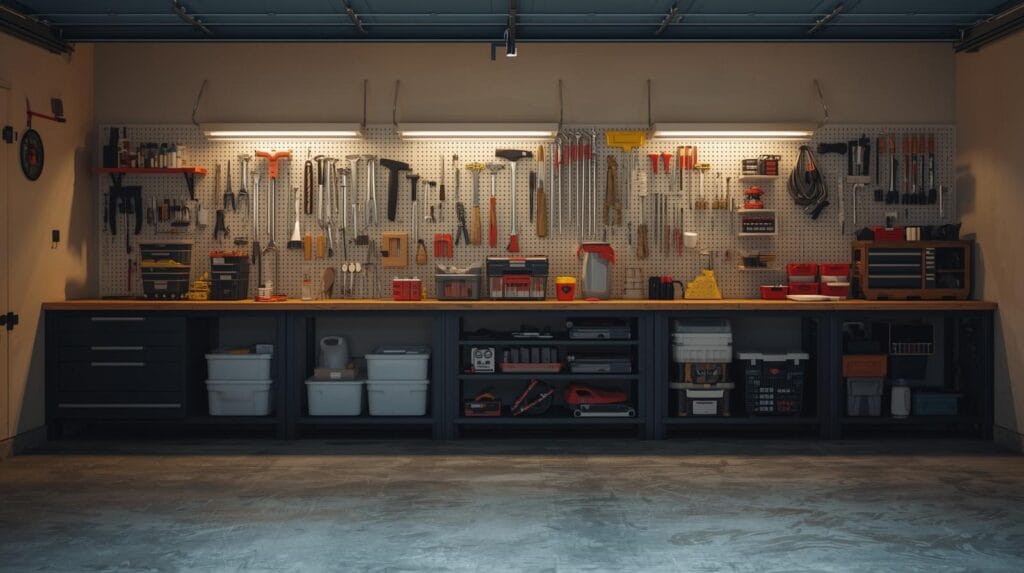
Many routine maintenance tasks and light improvements can be handled by homeowners, especially with basic tools and some research.
Common DIY-friendly tasks include:
Painting interior walls
Replacing light fixtures (simple swaps)
Updating cabinet hardware
Caulking around windows and trim
Installing weatherstripping
Replacing air filters
Basic landscaping projects
Cleaning gutters and downspouts
These tasks allow you to save on labor costs without risking structural issues or code violations.
Projects Better Left to Professionals
Certain systems in your home carry higher risk if not handled correctly. Tulsa homeowners often find that hiring a licensed professional protects both safety and property value—especially when dealing with complex work.
Situations where a pro is recommended include:
Electrical panel upgrades or wiring changes
Major plumbing work or sewer line concerns
HVAC installation or refrigerant handling
Structural repairs or foundation assessment
Roof replacement or large roof repairs
Window installation
Gas line repairs or installation
These projects require specialized tools, training, and permits—and mistakes can be expensive or dangerous.
Climate and Soil Factors That Influence Your Decision
Tulsa’s environment can create complications that aren’t always obvious at first glance.
For example:
Foundation repairs should always be handled by qualified structural experts due to shifting clay soil.
Storm-related roof issues can be subtle; a professional eye helps identify damage not visible from the ground.
High-humidity HVAC performance is best evaluated by certified technicians familiar with Oklahoma systems.
Local experience matters, especially when identifying root causes versus surface symptoms.
Warranty, Insurance, and Resale Considerations
Hiring a professional often provides benefits beyond the repair itself.
Many projects include:
Workmanship warranties
Manufacturer warranties that require licensed installation
Documentation helpful during resale
Insurance coverage if something goes wrong
Buyers in Tulsa often ask about roof age, HVAC service history, window installation dates, and recent improvements. Professional records help support the perceived and actual value of the home.
How to Choose the Right Tulsa Professional
If you decide a project requires a pro, take the time to choose someone with the right credentials.
Helpful steps include:
Checking licensing through the Oklahoma Construction Industries Board
Asking for proof of insurance
Reading recent local reviews
Requesting a detailed scope of work and a written estimate
Seeking referrals from trusted sources
The right professional can provide peace of mind and ensure your improvements are completed safely and correctly.
Most homeowners land somewhere in the middle—confident with smaller tasks, but happy to call in a specialist for work involving risk, precision, or long-term structural impact. Understanding where that line sits for you makes maintaining your Tulsa home much more manageable.
How to Build a Long-Term Home Maintenance Plan
A well-maintained home doesn’t come from one big project—it comes from consistent habits built into your year. Tulsa homeowners benefit especially from planning ahead because our climate can be unpredictable, and small issues tend to grow quickly when left unattended. A long-term maintenance plan keeps you organized, protects your investment, and helps you budget for both routine tasks and larger upgrades.
Suggested Image Here:
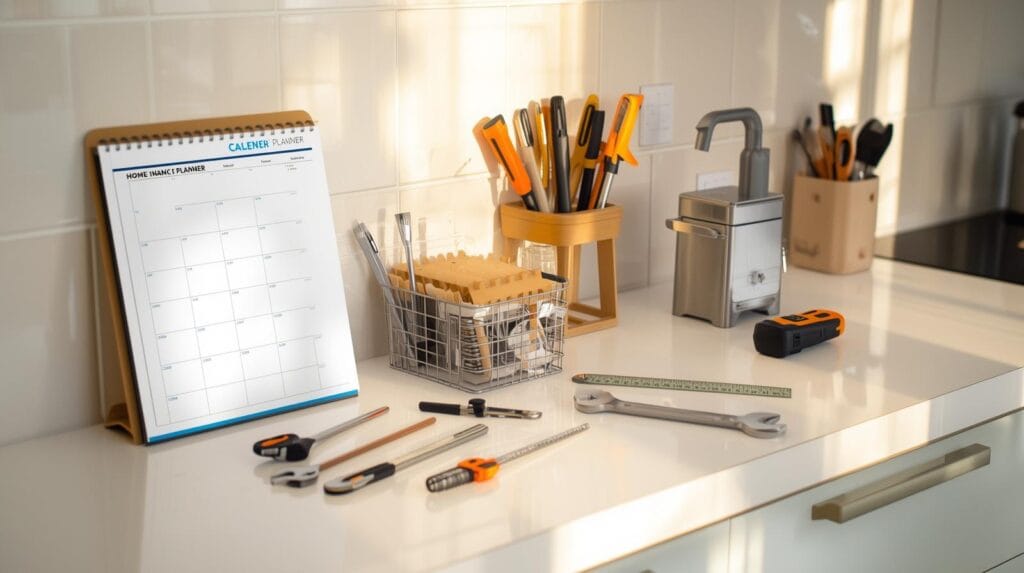
A clean, organized workspace showing a home maintenance checklist, planner, or digital tablet on a kitchen counter beside neatly arranged tools. Soft, natural light. No people.
Create a Yearly Maintenance Calendar
The easiest way to stay ahead of home care is to follow a seasonal routine. Assign tasks to spring, summer, fall, and winter so nothing gets overlooked.
Your calendar might include:
Spring: roof inspection, gutter cleaning, exterior caulking
Summer: HVAC filter changes, irrigation checks, pest monitoring
Fall: furnace servicing, sealing drafts, preparing outdoor spaces
Winter: freeze protection, insulation checks, dryer vent cleaning
Having predictable tasks prevents seasonal overwhelm and helps you keep pace with Tulsa’s weather patterns.
Track Service Dates and Warranties
Documentation is an often-overlooked part of homeownership, but it makes a major difference in both maintenance efficiency and resale value.
Helpful items to track:
HVAC service records
Water heater age and warranty information
Roof and gutter replacement dates
Appliance purchase receipts
Contractor invoices and warranty terms
A simple binder, spreadsheet, or digital folder works well—whatever encourages consistency.
Set Aside a Maintenance Budget
Every home requires ongoing financial attention. Planning ahead minimizes stress when it’s time to replace an appliance or address a repair.
General guidelines often used by homeowners include:
Setting aside 1–2 percent of the home’s value annually for maintenance
Allocating additional funds for older homes or properties with larger systems
Saving for predictable upgrades like HVAC replacement, window updates, or roof work
Tulsa’s freeze–thaw cycles and storm seasons make proactive budgeting especially valuable.
Prioritize High-Impact Projects
Not every item on your list carries the same weight. To get the most from your maintenance and improvement efforts, focus first on projects that protect your home’s structure and comfort.
High-priority categories often include:
Roof and gutter health
Foundation and drainage
HVAC performance
Window and door sealing
Water intrusion prevention
Once critical systems are in good shape, cosmetic upgrades become more worthwhile and longer-lasting.
Use a Mix of DIY and Professional Support
The best maintenance plans blend what you can confidently handle yourself with periodic check-ins from licensed professionals. Seasonal inspections by roofers, HVAC techs, and pest control specialists help catch issues you may not see.
A balanced approach keeps your home in strong condition without creating an overwhelming workload.
Revisit Your Plan Each Year
Your home changes over time, and so should your maintenance strategy. Reevaluate your plan annually to account for:
Aging systems
Recent improvements
Shifting priorities
Changes in family needs or usage
A quick yearly review ensures your plan remains accurate and effective.
A thoughtful, proactive maintenance plan protects your home’s value and keeps daily living more comfortable. With a predictable routine and a clear understanding of what your home needs, you’ll find upkeep more manageable—and far less stressful.
Trusted Tulsa Service Providers
Even the most diligent homeowners eventually need a reliable professional—whether it’s an HVAC technician for seasonal servicing, a roofer after a storm, or a plumber when something unexpected appears. Tulsa’s weather patterns, clay soil, and seasonal extremes can create challenges that benefit from an experienced eye. Building a small, dependable team of local service providers makes long-term maintenance far easier and helps protect your home’s value.

HVAC Professionals
With long periods of heat and humidity followed by quick winter temperature shifts, HVAC systems in Tulsa work harder than in many regions. A trusted HVAC technician can handle seasonal tune-ups, airflow checks, refrigerant levels, and efficiency testing.
Routine servicing helps:
Extend the lifespan of your system
Prevent mid-season breakdowns
Improve indoor air quality
Keep energy costs more predictable
If you’re unsure what to look for when evaluating older systems—especially if you may move in the future—the Buying a Home in Tulsa Guide offers helpful context on HVAC age, efficiency, and inspection tips.
Roofing and Gutter Specialists
Spring storms, hail, and high winds make roofing maintenance essential in the Tulsa metro. Damage isn’t always obvious from the ground, and gutter issues can lead to foundation pressure or interior moisture problems.
A roofing professional can:
Inspect for storm damage
Identify early signs of shingle wear
Repair flashing, valleys, and vents
Clear or replace damaged gutters
If you’re preparing your home for a future sale, the Selling a Home in Tulsa Guide explains why roof condition is one of the most important factors buyers consider during inspections.
Plumbers and Water System Experts
Tulsa’s freeze-thaw cycles and clay soil can put additional stress on plumbing systems. Licensed plumbers are essential for anything beyond basic maintenance, especially when dealing with water heaters, sewer lines, or leaks inside walls.
A plumber can help with:
Diagnosing low pressure or slow drains
Replacing older water heaters
Winterizing exposed pipes
Assessing sewer line concerns (common in older neighborhoods)
Electricians
Electrical systems require professional handling. Homes built decades ago may not meet today’s power demands, while newer homes still benefit from periodic checks to ensure safety and efficiency.
Electricians assist with:
Panel upgrades
Replacing outdated wiring
Adding circuits for new appliances
Ensuring outlets and GFCIs meet code
Electrical work is one area where DIY attempts can quickly become dangerous, making professional service essential.
Handymen and General Contractors
For small- to medium-sized projects—such as drywall repairs, caulking, door adjustments, minor carpentry, or simple fixture replacements—a dependable handyman can be invaluable. Many Tulsa homeowners rely on a single trusted person for ongoing help throughout the year.
General contractors become important when projects expand beyond simple repairs, such as remodeling, structural adjustments, or multi-room updates.
Landscaping, Irrigation, and Outdoor Specialists
Because curb appeal and drainage play major roles in protecting a Tulsa home, outdoor professionals are valuable partners. Landscapers and irrigation technicians can help maintain healthy lawns, correct drainage problems, and optimize watering schedules during our hot summers.
Outdoor specialists often assist with:
Drainage and grading adjustments
Seasonal irrigation tuning
Mulching, planting, and lawn renovation
Tree trimming for storm prevention
Good outdoor care directly supports foundation health—a major concern in homes built on expansive clay soil.
Where to Verify Licensing and Credentials
For trades that require licensing—such as electricians, plumbers, and HVAC technicians—you can verify credentials through the Oklahoma Construction Industries Board This ensures the professionals you hire meet state requirements and carry proper insurance.
When to Ask for Recommendations
If you’re unsure where to start, many homeowners find success by asking for referrals from neighbors, local community groups, or their real estate agent. Working with professionals who are familiar with Tulsa’s weather patterns and soil conditions gives you added confidence that repairs and improvements are being handled correctly.
Common Questions from Tulsa Homeowners
Every home is different, but many Tulsa homeowners share the same concerns—especially when it comes to our climate, soil, and the pace of seasonal changes. These are some of the most common questions I hear, along with straightforward guidance you can use right away.

How often should I service my HVAC system?
Most Tulsa homeowners benefit from servicing their HVAC system twice a year—once in spring before cooling season and once in fall before heating season. Filters should typically be replaced every 30–60 days, especially during high-use months. Regular servicing reduces the strain placed on systems during our hottest and coldest periods.
What are signs of foundation movement in Tulsa?
Because of our expansive clay soil, foundation movement is common. Signs to watch for include:
Cracks in brick or interior drywall
Doors that stick or don’t latch
Gaps forming around window frames or trim
Uneven or sloping floors
Some movement is normal, but sudden or worsening signs should be evaluated by a professional.
How do I know if my roof has storm damage?
Storm damage isn’t always visible from the ground. Look for missing shingles, granules in gutters, dents on metal fixtures, or water spots inside the home. It’s smart to have a roofer inspect your roof after major wind or hail events, even if everything looks fine at first glance.
What maintenance helps the most before listing my home for sale?
Buyers respond strongly to homes that feel well cared for. Key pre-listing tasks include:
Cleaning gutters
Refreshing paint or exterior caulking
Servicing HVAC systems
Touching up landscaping
Addressing minor repairs like loose fixtures or worn flooring
More detailed guidance can be found in my full Selling a Home in Tulsa Guide
When should I replace my water heater?
Many traditional tank-style water heaters last around 8–12 years. Signs it may be time for replacement include inconsistent hot water, unusual noises, or moisture around the base of the unit. Newer, more efficient models can also help reduce energy costs.
What can I do to improve energy efficiency in an older Tulsa home?
Simple updates can make a noticeable difference:
Add attic insulation
Seal drafts around windows and doors
Upgrade weatherstripping
Use smart thermostats
Replace old bulbs with LEDs
For larger improvements, see the Home Maintenance & Improvement category for deeper guides and project ideas.
Do I need to clean my gutters if my home doesn’t have many trees?
Yes. Even without heavy tree coverage, wind-blown debris, shingle granules, and seasonal pollen can accumulate in gutters. Improper drainage can lead to foundation issues, siding damage, or water intrusion—especially during Tulsa’s heavy spring rains.
How do I protect my home from winter freezes?
Insulate exposed pipes, use faucet covers outdoors, disconnect hoses, and ensure warm air can circulate around plumbing in colder areas of the home. On extremely cold nights, keeping faucets lightly dripping can prevent pipes from freezing.
Is pest control necessary year-round?
In Tulsa, yes. Warm seasons bring ants, mosquitoes, termites, and wasps, while winter months can push rodents indoors. Regular pest monitoring or seasonal treatments often save homeowners from unexpected problems later.
Protecting Your Home and Its Value
A well-maintained home doesn’t just look better—it lives better. In Tulsa, where weather patterns shift quickly and our soil can place added stress on foundations and exterior surfaces, consistency is the key. Small, regular tasks often prevent the biggest repairs, and thoughtful improvements can extend the life of your home for years to come.
Homeownership comes with a learning curve, but it also brings confidence. As you become familiar with how your home responds to the seasons, what systems require attention, and which upgrades offer the best return, maintaining your home becomes far more manageable. Whether you’re planning long-term improvements, preparing for a future sale, or simply trying to stay ahead of routine care, a proactive approach protects both your investment and your everyday comfort.
If you’re looking for more local insights—whether it’s understanding neighborhoods, navigating a purchase, or preparing a home for the market—my full guides on Buying a Home in Tulsa and Selling a Home in Tulsa are helpful resources that expand on many of the topics shared here.
Share this post: on Twitter on Facebook