
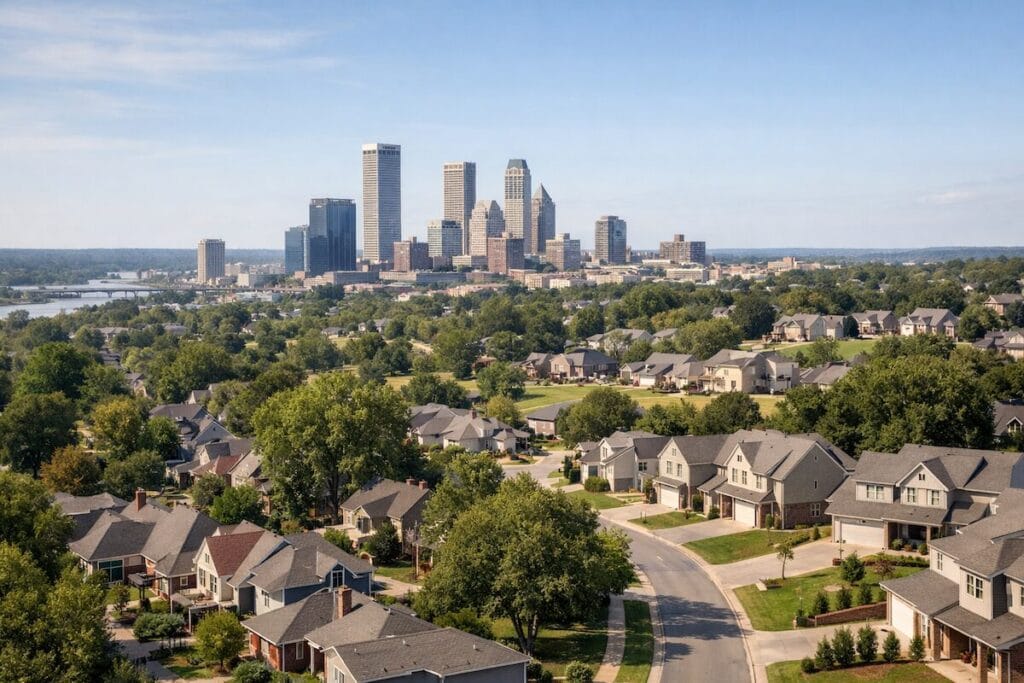
Thinking about moving to the Tulsa area often starts with a simple question: Is this a place where we could really live? Maybe you’ve heard about the cost of living, the growing job market, or the balance between city life and quieter suburbs. Maybe you’re relocating for work, family, or just a lifestyle change that feels more manageable than larger metro areas. Whatever brought Tulsa onto your radar, it’s smart to slow down and understand what life here actually looks like before making a move.
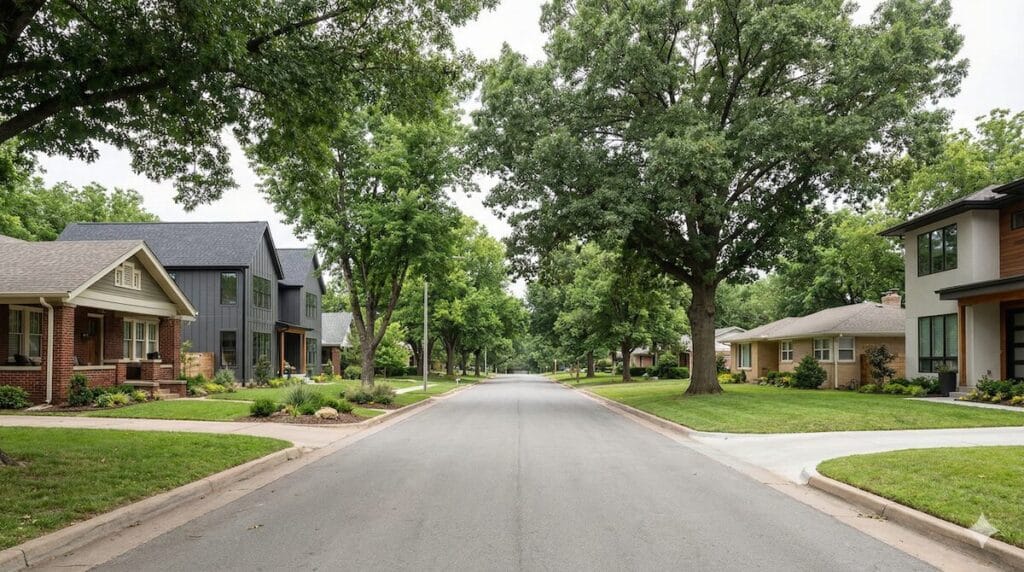
Tulsa and its surrounding suburbs offer a mix that surprises a lot of newcomers. You’ll find established neighborhoods with mature trees, newer developments with modern layouts, and communities designed for families, downsizers, and professionals alike. While Tulsa itself has a strong arts scene, dining options, and walkable pockets, nearby cities like Broken Arrow, Bixby, Jenks, and Owasso each bring their own personality and pace of life. That variety is one of the biggest reasons people relocating here are able to find something that fits—not just a house, but a lifestyle.
If you’re moving from out of state or even from another part of Oklahoma, it’s easy to assume all suburbs are the same or that Tulsa will feel “small.” In reality, the area is spread out, neighborhoods vary widely, and your daily experience can look very different depending on where you land. Commute times, school districts, home styles, and even utility costs can change from one area to the next.
This guide is designed to walk you through what you should know before moving to the Tulsa area—not just the highlights, but the practical details that matter once the boxes are unpacked. If you’re serious about relocating, this is where clarity starts.
Understanding the Tulsa Area Before You Move to the Tulsa Area
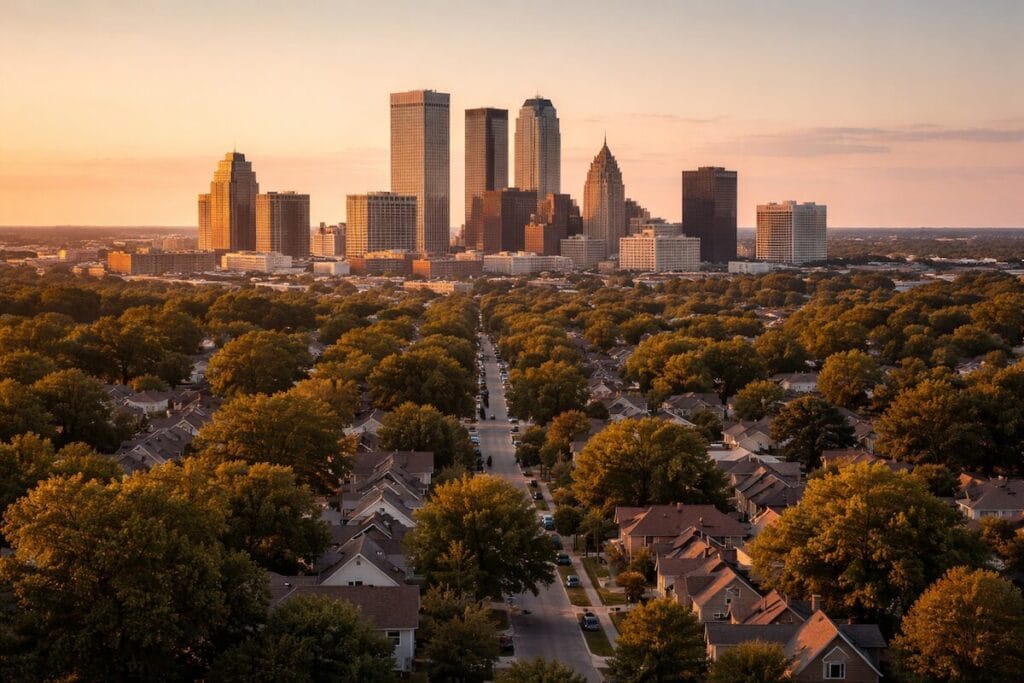
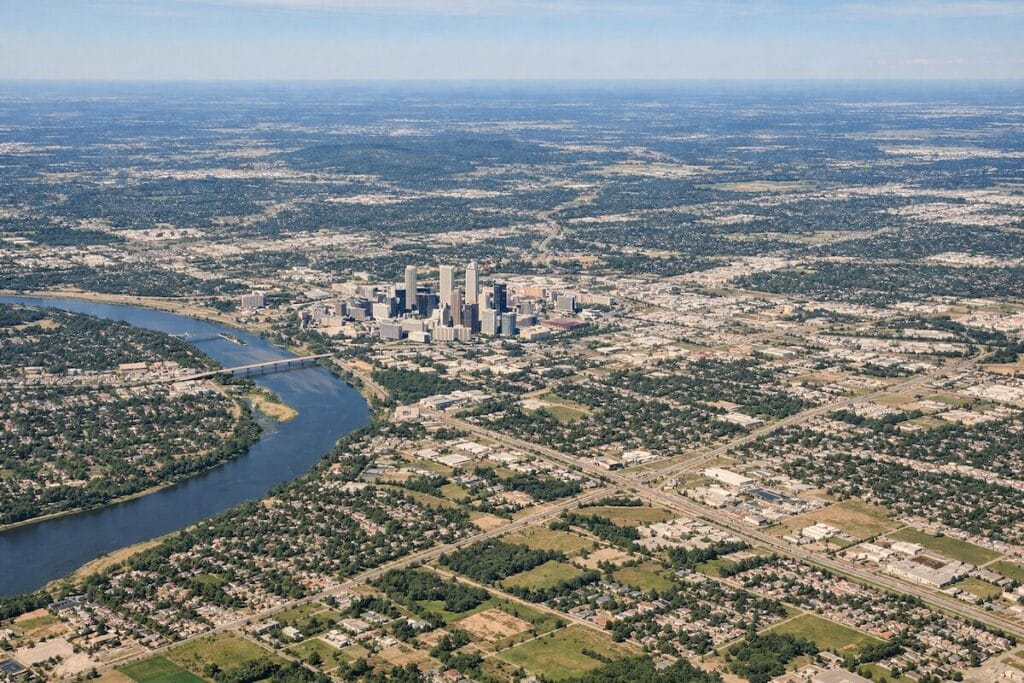
Before choosing a specific neighborhood or suburb, it helps to understand how the Tulsa area is laid out and how people actually live day to day. Tulsa is the central hub, but many residents live in nearby suburbs and commute in for work, school, or entertainment. That setup gives you flexibility, but it also means location decisions matter more than newcomers often expect.
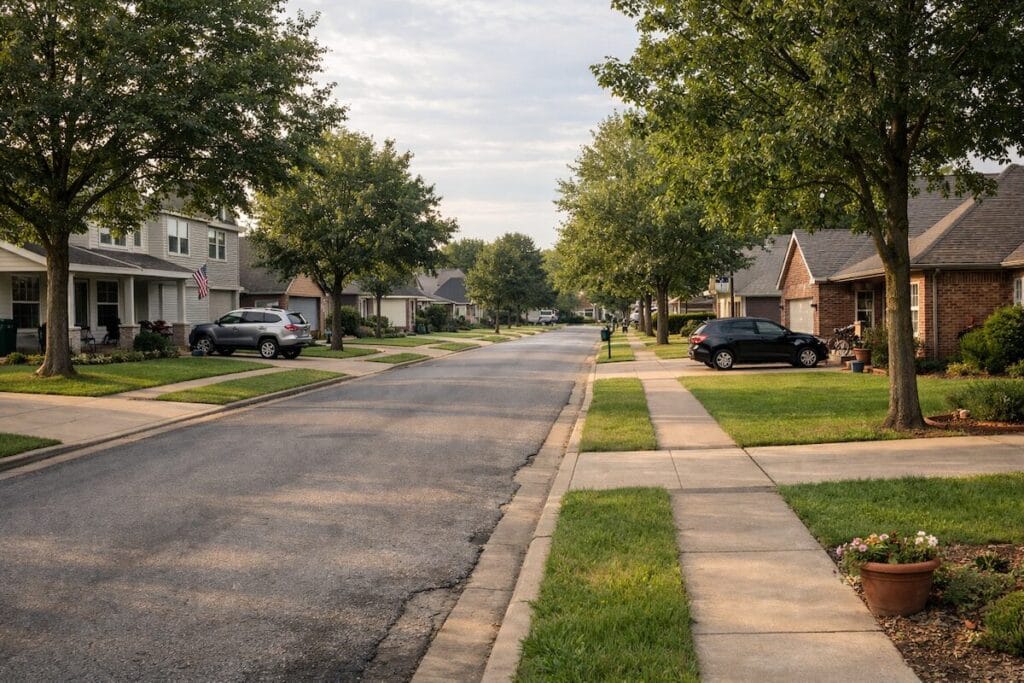
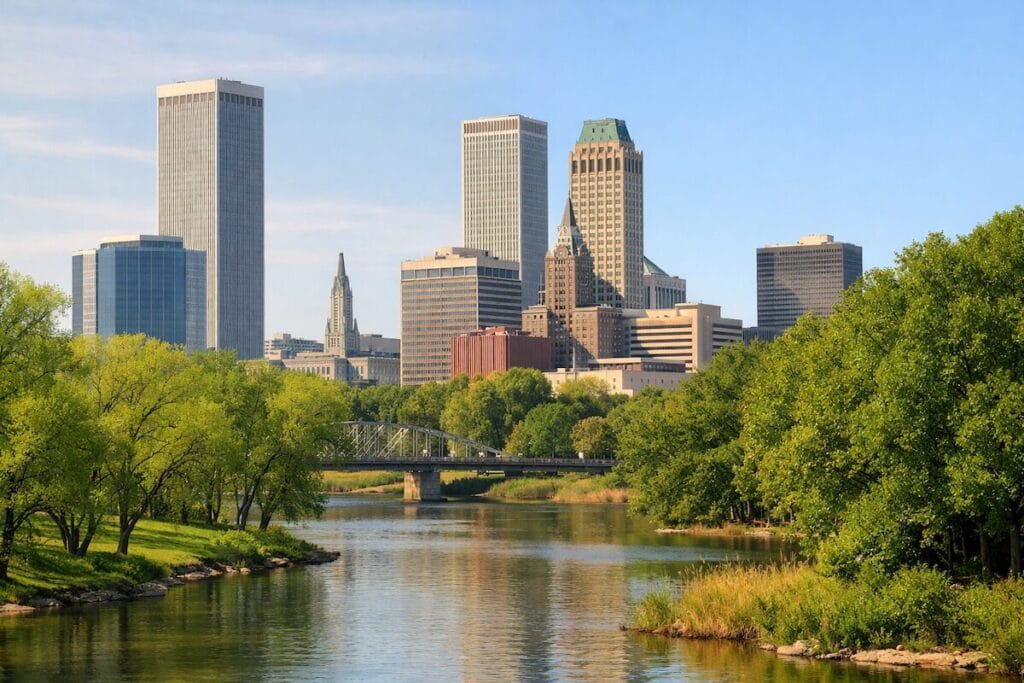
Tulsa itself offers a mix of historic neighborhoods, midtown areas with character, and newer developments toward the south and east sides of the city. Some areas feel urban and walkable, while others are more spread out and residential. Suburbs like Broken Arrow and Bixby tend to appeal to buyers who want newer homes, planned communities, and strong school systems. Jenks blends suburban living with quick access to Tulsa, while Owasso attracts buyers heading north for work or looking for newer construction.
One common misconception when relocating to Tulsa Oklahoma is assuming everything is close together. While traffic is manageable compared to larger cities, distances can add up. A home that looks close on a map may still be a 25–30 minute drive depending on routes and time of day. This is why it’s important to think through work locations, school schedules, and daily routines before narrowing your search.
If you’re in the early planning stage, reviewing Tulsa housing market and cost of living insights can help you understand how home prices, taxes, and utilities compare across the metro. That context makes it easier to choose areas that align with both your budget and lifestyle goals.
Cost of Living: What Relocating Buyers Need to Know
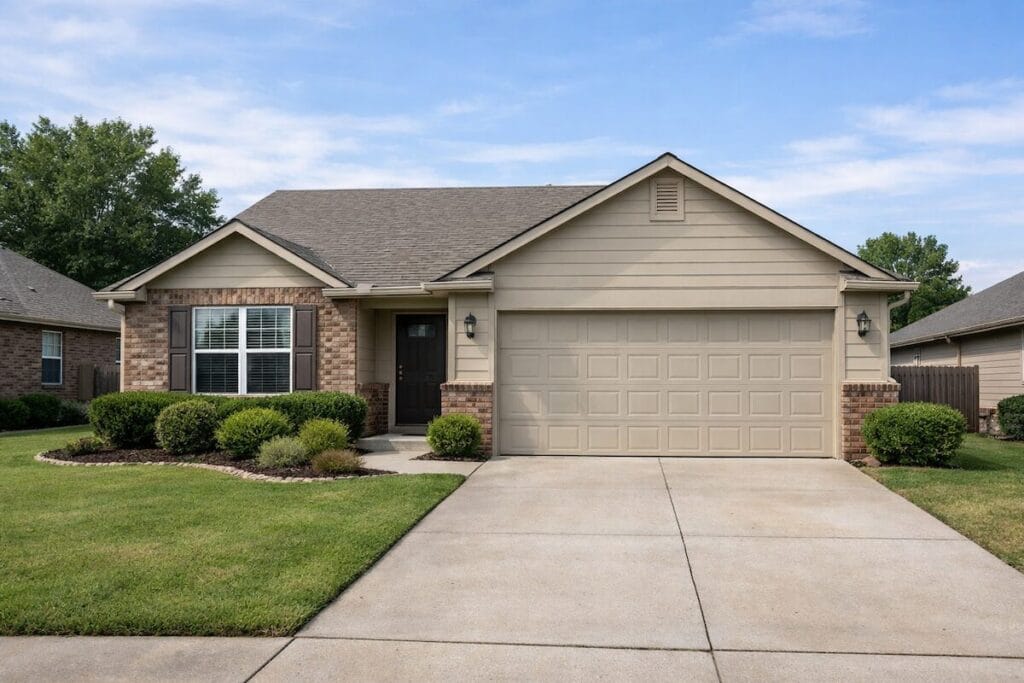
One of the biggest draws for people moving to the Tulsa area is affordability, but it’s important to understand what that really means in practical terms. Housing costs are generally lower than national averages, but expenses still vary widely depending on location, home size, and age. Tulsa’s older neighborhoods may offer lower purchase prices, while newer suburbs often come with higher prices but fewer immediate maintenance needs.
Property taxes in Oklahoma are relatively reasonable compared to many states, but they can differ by city and school district. Utility costs are another factor many newcomers underestimate. Summers are hot, which means air conditioning costs can be significant, especially in larger homes or older properties without updated insulation or HVAC systems. Winters are usually mild, but heating costs still vary based on home efficiency.
Beyond housing, day-to-day expenses like groceries, dining, and entertainment are generally manageable. Tulsa offers a wide range of local restaurants, family-friendly activities, and outdoor spaces that don’t require a big budget. Suburbs often have slightly lower utility rates but may involve more driving, which increases fuel costs.
If you’re relocating from a higher-cost area, understanding how your current budget translates locally is key. Reviewing Buying a Home in Tulsa can help you understand how affordability, financing options, and local market conditions work together here. This kind of planning upfront prevents surprises after you move.
Choosing the Right Suburb for Your Lifestyle
Not all Tulsa suburbs are created equal, and choosing the right one depends on what matters most to you. Families often prioritize schools, parks, and neighborhood amenities, while professionals may focus more on commute times and access to dining or entertainment. Downsizers and retirees might look for quieter areas with single-level homes and low-maintenance living.
Broken Arrow is one of the largest suburbs and offers a mix of older neighborhoods and newer developments. It’s known for strong schools, shopping, and community events. Bixby has grown quickly and attracts buyers looking for newer homes and a suburban feel, though prices can reflect that demand. Jenks offers a balance of small-town charm and proximity to Tulsa, while Owasso continues to expand with new construction and commercial growth.
When relocating, it’s easy to focus only on the house itself. However, lifestyle factors like traffic patterns, school pickup routines, and access to everyday services often matter more once you’re settled. If you’re moving up in price or space, exploring the Move-Up Buyer Guide can help you think through how location and home features should evolve with your needs.
Commutes, Jobs, and Daily Life
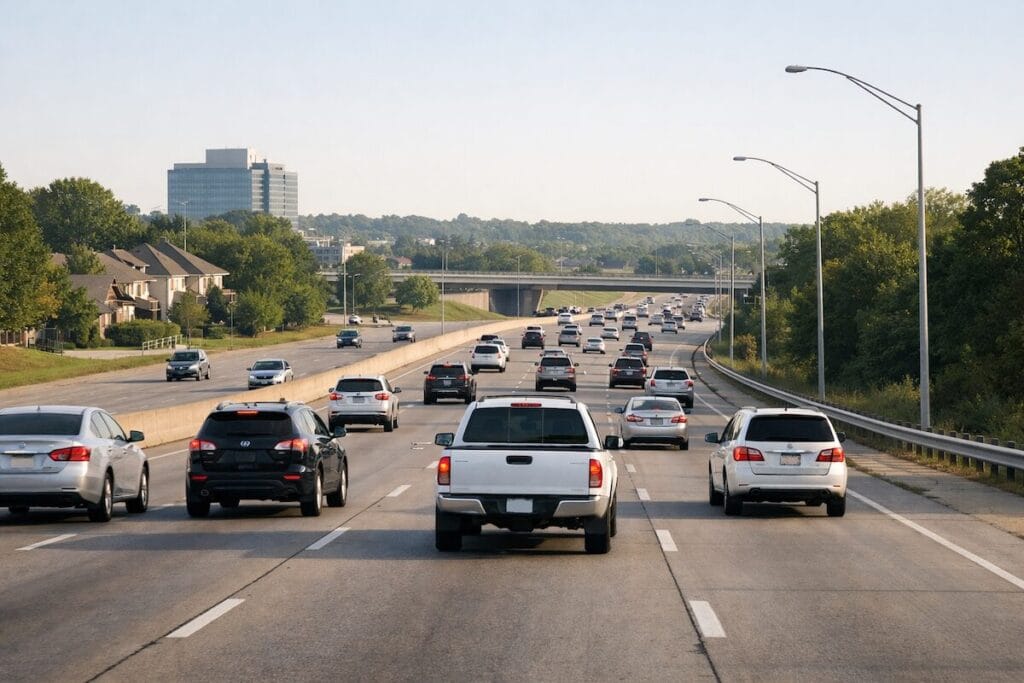
Daily life in the Tulsa area is shaped heavily by where you live in relation to work, schools, and activities. While Tulsa traffic is generally lighter than in larger metros, commute times still vary depending on direction and time of day. Many employers are concentrated in Tulsa proper, but job opportunities are spread throughout the metro, including Broken Arrow, Owasso, and Jenks.
Relocating professionals often appreciate that most commutes stay under 30 minutes, even from outer suburbs. That said, certain routes can become congested during peak hours, especially along major highways. Planning your home search around realistic commute expectations helps avoid frustration later.
Daily routines like grocery shopping, school drop-offs, and extracurricular activities are also influenced by layout. Suburbs tend to offer newer schools and larger shopping centers, while Tulsa provides more variety in dining and cultural experiences. Understanding how these pieces fit together makes relocation smoother and more predictable.
For buyers still narrowing their options, Start your Tulsa home search can help you compare locations side by side while keeping commute and lifestyle factors in mind.
Schools, Education, and Family Considerations
Education is often a top concern for families relocating to Tulsa, and the area offers a wide range of public and private options. School districts vary by city, and boundaries don’t always align neatly with city limits. This makes it especially important to understand zoning before committing to a home.
Broken Arrow, Jenks, and Bixby school districts are frequently cited by relocating families, but Tulsa Public Schools also include magnet and specialty programs that appeal to many households. Beyond K–12 education, Tulsa has higher education options and career training programs that support long-term growth.
Families should also consider access to parks, libraries, and youth activities when choosing a neighborhood. Many suburbs invest heavily in community spaces, while Tulsa offers larger cultural institutions and events. Balancing educational priorities with lifestyle needs helps families settle more comfortably.
If you’re relocating with children, Get the Tulsa first-time homebuyer guide can be a helpful resource—even if you’ve owned before—because local school and neighborhood dynamics may be new to you.

Weather, Seasons, and What to Expect Year-Round
Weather is one of those topics people often gloss over until they’ve lived through a full year in a new place. Tulsa experiences all four seasons, but they’re not evenly balanced. Summers are hot and humid, while winters are generally mild with occasional cold snaps. Spring and fall are often the most enjoyable seasons, though spring can bring severe weather.
Newcomers sometimes underestimate summer heat and overestimate winter severity. Air conditioning is essential, and many residents plan activities for early morning or late evening during the peak summer months. Tornado awareness is part of life here, but modern warning systems and building standards help residents stay prepared.
Understanding seasonal patterns helps with everything from home maintenance to daily routines. It’s also helpful when budgeting for utilities and planning outdoor spaces. If you’re coming from a different climate, adjusting expectations early makes the transition easier.
Financing, Mortgages, and Relocation Planning
Relocating buyers often face additional financial considerations, especially if they’re selling a home elsewhere or buying before relocating fully. Mortgage options in Oklahoma are similar to other states, but local lenders may offer programs specific to first-time or relocating buyers.
Understanding loan requirements, down payments, and timelines is critical when moving across state lines. For buyers using FHA or similar programs, reviewing FHA loan guidelines can clarify eligibility and expectations before you start making offers.
If you’re selling a home before or after your move, timing matters. Coordinating both sides of the transaction requires careful planning to avoid unnecessary stress. Schedule a low-pressure planning call if you want to talk through options without committing to a specific timeline.

Common Mistakes People Make When Moving to Tulsa
Even well-prepared buyers make mistakes when relocating, often because they rely on assumptions instead of local insight. One common issue is choosing a home based solely on price without considering commute patterns or neighborhood fit. Another is underestimating maintenance needs in older homes, which are common in some parts of Tulsa.
Some buyers also assume that school quality or amenities are consistent across the metro, which isn’t always the case. Taking time to understand the differences between suburbs helps avoid regret later. Rushing into a purchase without exploring multiple options can unnecessarily limit options.
Relocation works best when decisions are paced and informed. Selling a Home in Tulsa can also be helpful if your move involves selling locally now or in the future, as market dynamics differ by area.
FAQ: Moving to the Tulsa Area
Is Tulsa a good place to relocate for families?
Tulsa and its surrounding suburbs offer many family-friendly neighborhoods, schools, and community amenities. Families often appreciate the balance between affordability and access to parks, schools, and activities. Choosing the right suburb plays a big role in overall satisfaction.
How expensive is it to live in Tulsa compared to other cities?
The cost of living in Tulsa is generally lower than the national average, especially when it comes to housing. However, costs vary by neighborhood and home type. Utilities and transportation should also be factored into budgeting.
What suburbs are best for people moving to Tulsa?
Broken Arrow, Bixby, Jenks, and Owasso are popular choices, but the “best” suburb depends on your priorities. Commute, schools, and lifestyle preferences all matter. Exploring multiple areas helps clarify what fits best.
Do I need to worry about severe weather?
Tulsa does experience severe weather, particularly in spring, but residents are well-prepared. Modern warning systems and construction standards help manage risk. Most newcomers adjust quickly with basic preparedness.
Conclusion: Planning Your Move with Confidence
Moving to the Tulsa area is a big decision, but it doesn’t have to feel overwhelming. With the right information and a clear understanding of how different neighborhoods and suburbs function, you can make choices that support your lifestyle—not just today, but years down the road. Tulsa’s mix of affordability, community, and opportunity continues to attract people from across the country, and many find it offers more flexibility than they expected.
Whether you’re early in the planning stage or actively preparing to relocate, having a local perspective makes a real difference. Schedule a low-pressure planning call if you want help sorting through options and building a plan that fits your move.