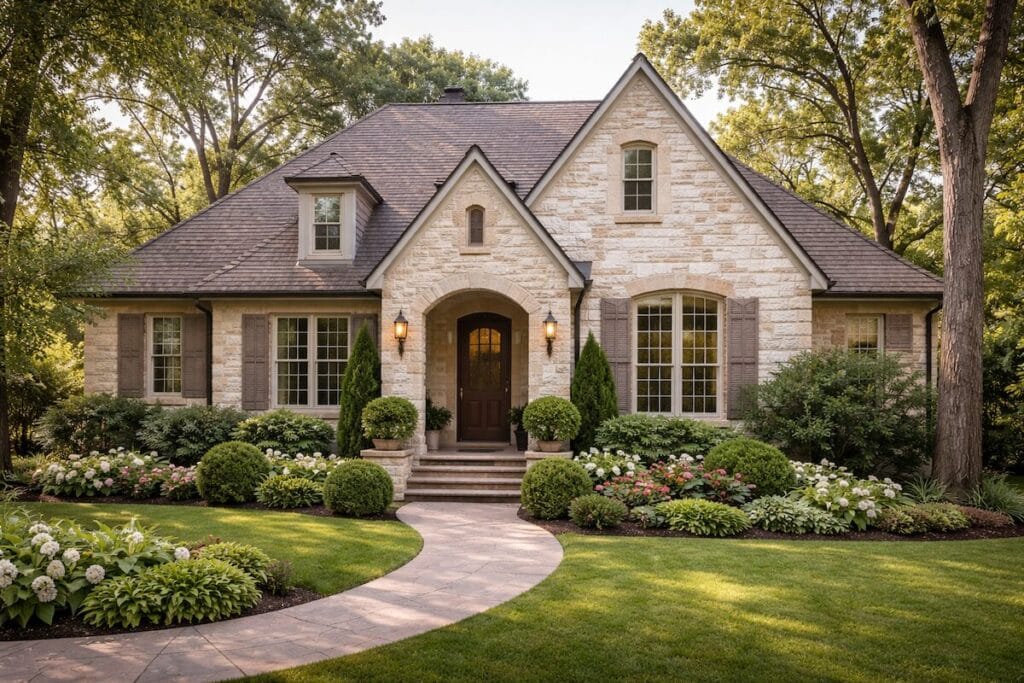
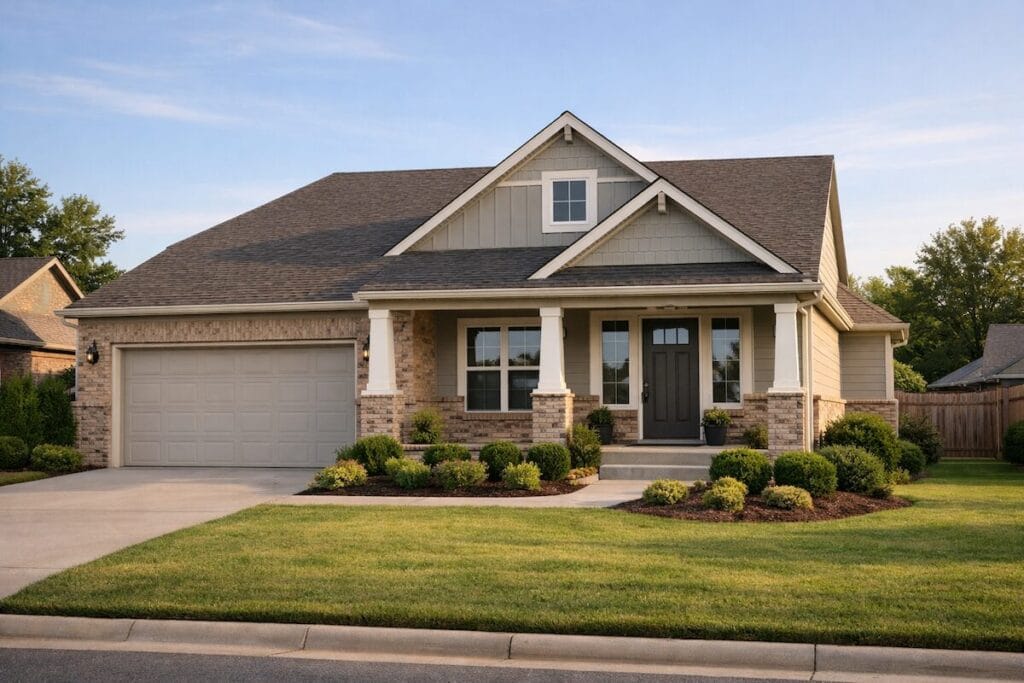
Well-maintained Tulsa-area single-family home representing how long does it take to sell a home in Tulsa

How Long Does It Really Take to Sell a Home in Tulsa Right Now?

If you’re thinking about selling a home in Tulsa or one of the nearby suburbs, one of the first questions that usually comes up is simple but essential: how long does it take to sell a home in Tulsa right now? For many homeowners, the answer affects far more than just timing. It can influence when you buy your next home, how much pricing flexibility you have, and whether selling feels stressful or manageable.

Over the past few years, sellers in the Tulsa area have experienced very different market conditions. Some homes sold within days, while others sat on the market longer than expected despite strong demand. As we head into 2026, the local real estate market has shifted to a more balanced, thoughtful pace. Homes are still selling, but timelines now depend much more on pricing strategy, condition, location, and how well a home is positioned from the start.

This post is designed to give you a realistic, local perspective on what to expect. We’ll talk about average days on market in Tulsa, how different neighborhoods and price ranges affect timing, and what typically slows a sale down or helps it move faster. We’ll also address common concerns move-up buyers and downsizers have, such as whether to sell first or buy first, and how to avoid being stuck between homes.

If you’re looking for quick answers or national averages, those rarely tell the full story. Tulsa’s housing market behaves differently from larger metro areas, and even within the metro, timing can vary significantly from one suburb to another. The goal here is to help you plan with clarity and confidence so you can make smart decisions based on real expectations, not outdated assumptions.


How Long Does It Take to Sell a Home in Tulsa Right Now?

When homeowners ask how long it takes to sell a home in Tulsa, they’re usually hoping for a single number. In reality, the answer is a range rather than a fixed timeline. As of late 2025 heading into early 2026, most well-priced homes in the Tulsa metro typically go under contract within several weeks rather than several months, but that doesn’t mean every sale follows the same path.

On average, homes in Tulsa spend around a month on the market before going under contract. That number can be shorter or longer depending on price point, condition, and location. Entry-level and mid-range homes priced correctly and that show well often attract strong interest quickly. Higher-priced homes or properties that need updates may take longer to connect with the right buyer.

It’s also important to understand that “days on market” only measures the time from listing to contract. The whole selling process includes preparation, listing time, negotiation, inspections, and closing. From start to finish, many sellers should realistically plan on a two- to three-month window, even when things go smoothly.

Buyers today are more selective than they were during the height of the market. They are comparing options carefully and paying attention to pricing details. That doesn’t mean homes aren’t selling, but it does mean strategy matters more than speed alone. Sellers who understand this are usually better prepared and less stressed throughout the process.
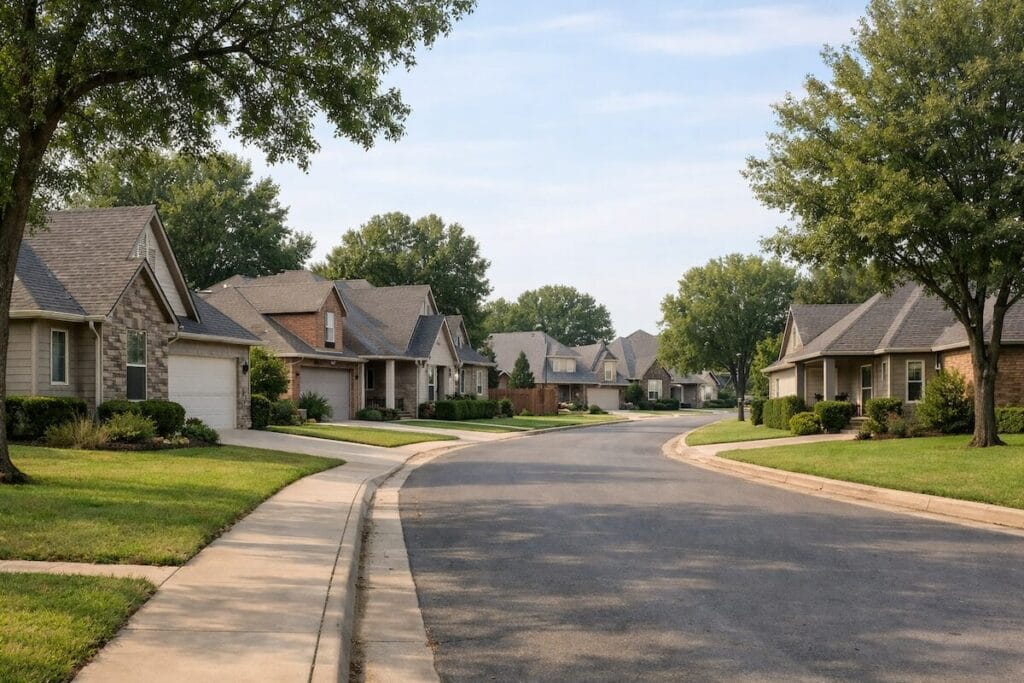
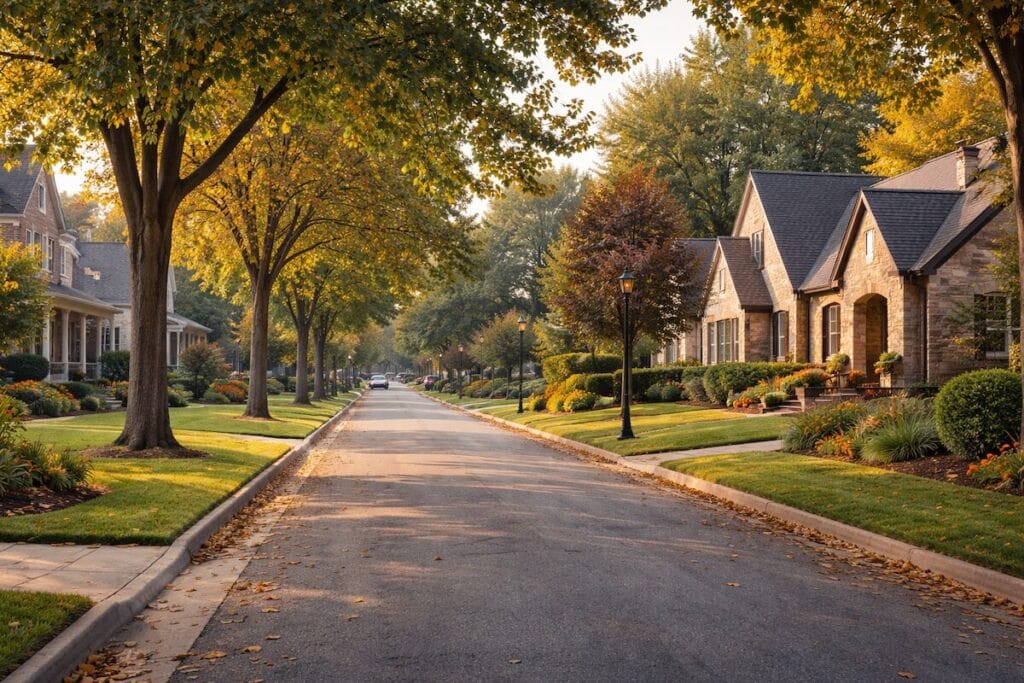
Tulsa-area suburban neighborhood with well-kept homes and mature trees
Neighborhoods like these shape how quickly homes sell across the Tulsa metro.

What “Days on Market” Really Means for Tulsa Sellers

The phrase “days on market” is frequently used in real estate conversations, but many sellers misunderstand what it actually reflects. Average days on market in Tulsa is a snapshot of how long homes typically take to go under contract, not a guarantee for any individual property. It’s a helpful indicator, but it shouldn’t be viewed in isolation.

In Tulsa, days on market can vary significantly by neighborhood and price range. A home in a popular Broken Arrow subdivision priced under the median may move faster than a custom home in a higher-end area of Bixby or Jenks. The number also doesn’t capture how many showings a home receives or how close buyers are to making an offer.

Another critical factor is how the home is priced when it first hits the market. Homes priced correctly from day one often sell faster than those that start too high and require price reductions later. Even a small initial overpricing can add weeks to the timeline, as buyers tend to watch and wait rather than negotiate aggressively.

Finally, days on market do not include the closing period, which typically adds another 30 to 45 days after a contract is accepted. Sellers who only plan for the listing phase sometimes feel caught off guard by how long the entire process takes. Understanding this upfront helps create a more realistic and manageable timeline.

Calendar and home paperwork representing average days on market in Tulsa
Days on market measures how long a home takes to go under contract.

How Pricing Impacts Your Tulsa Home Selling Timeline

Pricing is one of the most significant factors influencing how long it takes to sell a home in Tulsa. Even in a stable market, buyers are highly sensitive to price, especially when inventory gives them options. Homes that align closely with current market value tend to attract more showings early on, which is when interest is highest.

When a home is priced above market value, buyers often skip it altogether. They compare it to similar homes that offer more value and move on without making an offer. Over time, these listings can develop a “stale” perception, making it harder to regain momentum even after price reductions.

On the other hand, pricing a home accurately does not mean underpricing it. Strategic pricing takes into account recent sales, current competition, and buyer behavior in that specific area. In many Tulsa neighborhoods, accurate pricing can still lead to multiple showings in the first week, often shortening the overall selling timeline.

For move-up buyers and downsizers, correctly priced homes also help with planning the next step. A smoother sale allows you to line up your next purchase with more confidence and fewer surprises. That’s why reviewing current data and not relying on last year’s prices is so important.

Calculator and notepad representing Tulsa home pricing and selling timeline
Correct pricing plays a major role in how long a home takes to sell.

Many of the same principles discussed in this post also apply more broadly to Selling a Home in Tulsa, especially when it comes to pricing, preparation, and buyer expectations.


How Location Within the Tulsa Metro Affects Selling Time

Location plays a significant role in determining the timeline for selling a Tulsa home. While the metro area shares many similarities, each community attracts different buyers and experiences different demand levels. Tulsa proper, Broken Arrow, Bixby, Jenks, and Owasso all have unique patterns when it comes to how quickly homes sell.

Homes in areas with strong school districts, convenient commuting routes, and established neighborhoods tend to move more quickly. Buyers often prioritize these features, especially families looking to settle long-term. In contrast, homes in more rural-feeling areas or highly customized properties may take longer to match with the right buyer.

Price ranges also interact with location. A mid-priced home in South Tulsa may sell faster than a similarly priced home farther from employment centers. Higher-end homes, regardless of location, typically have smaller buyer pools, which naturally extends the timeline.

Understanding how your specific neighborhood behaves is key. General metro averages are helpful, but they don’t replace a localized analysis. Sellers who base their expectations on their exact area often feel better prepared and less frustrated throughout the process.
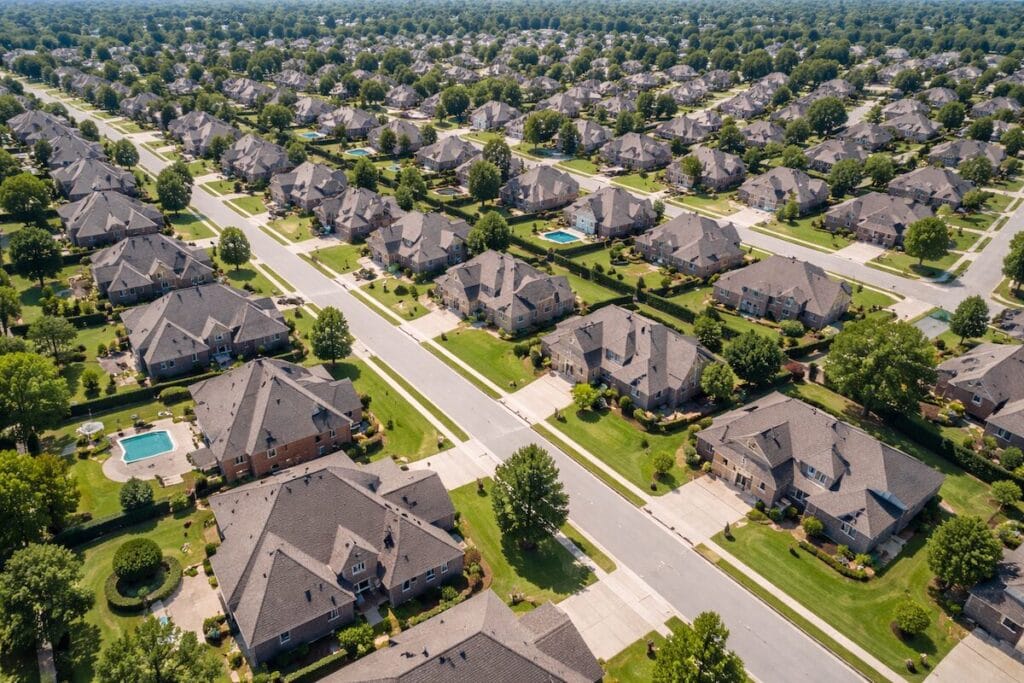
Aerial view of Tulsa-area neighborhood showing location impact on home sales
Location influences how quickly homes sell across Tulsa suburbs.

How Home Condition and Preparation Affect Time on Market

Home condition is another major factor in how long it takes to sell a home in Tulsa. Buyers today are more cautious and detail-oriented, especially with higher interest rates influencing affordability. Homes that feel well-maintained and move-in ready tend to stand out immediately.

Minor issues that sellers might overlook can have a bigger impact than expected. Deferred maintenance, dated finishes, or cluttered spaces can cause buyers to hesitate or reduce their offer price. In some cases, these concerns lengthen the time on market because buyers compare the home unfavorably to others.

Preparation doesn’t always mean major renovations. Simple updates like fresh paint, improved lighting, and thoughtful staging often help buyers visualize living in the space. These changes can significantly shorten the selling timeline by increasing perceived value.

Staged living room helping a Tulsa home sell faster
Well-prepared homes often sell faster in the Tulsa market.

Many of these preparation steps are covered in more detail in The Ultimate Guide to Preparing Your Home for Sale in Tulsa, which walks through what to focus on before listing to help reduce time on market.

How Buyer Demand Shapes the Selling Timeline in Tulsa

Buyer demand plays a quiet but powerful role in how long it takes to sell a home in Tulsa. Even when inventory levels are steady, the number of active buyers at any given moment can fluctuate based on interest rates, seasonal trends, and local economic confidence. Sellers often feel this shift through showing activity before it shows up in statistics.

When buyer demand is strong, well-priced homes tend to receive showings quickly and may see offers within the first couple of weeks. Buyers who have been waiting on the sidelines are more likely to act decisively when the right home becomes available. This is often when timelines shorten and negotiations feel smoother.

When demand softens, buyers become more deliberate. They may tour multiple homes, revisit favorites, and take longer to submit offers. This doesn’t mean your home won’t sell, but it does mean patience and proper positioning become more important. Sellers who understand this phase of the market are less likely to panic or make rushed decisions.

For move-up buyers and downsizers, recognizing buyer demand trends can help set expectations. If demand is moderate, planning extra time into your selling timeline can reduce stress and help you coordinate your next move more effectively.

Buyers touring a Tulsa home during a showing
Buyer activity directly affects how long homes stay on the market.

Seasonal Trends That Affect How Long Homes Take to Sell

Seasonality has always influenced the Tulsa home selling timeline, even though it’s less extreme than in some larger markets. Certain months consistently see higher buyer activity, while others tend to move at a slower, more deliberate pace. Understanding these patterns can help sellers plan with fewer surprises.

Spring and early summer are typically the most active periods for home sales in Tulsa. Buyers are motivated by school schedules, better weather, and a sense of urgency to move before fall. Homes listed during this time often see stronger showing activity and shorter days on market.

Late summer and early fall can still be productive, but competition often increases as more homes hit the market. Pricing and presentation become especially important during these months. Homes that are prepared and priced correctly can still sell efficiently, while others may linger longer.

Winter tends to slow down, particularly around the holidays. Buyers who are active during this time are often serious, but overall volume is lower. Sellers listing in winter should plan for a slightly longer timeline, balanced by less competition from other listings.

Tulsa neighborhood showing seasonal impact on home selling
Seasonal patterns can influence home selling timelines.

Move-Up Buyers: Selling and Buying at the Same Time

Move-up buyers face a unique challenge when considering how long it takes to sell a home in Tulsa. Timing the sale of your current home with the purchase of your next one requires careful planning and realistic expectations. Many sellers worry about being stuck without a home or carrying two mortgages.

In a balanced market, most move-up buyers choose to sell first to reduce financial risk. This approach provides clarity on budget and timing, even though it may require temporary housing or flexible closing arrangements. Homes that sell within the average days on market range help make this strategy more predictable.

Another option is to buy first, especially if you have substantial equity or savings. This can reduce stress around finding the right next home, but increases pressure to sell quickly. Accurate pricing becomes critical in this scenario, as extended time on market can affect cash flow.

Each approach has trade-offs, and the right choice depends on your comfort level and financial situation. Understanding the typical Tulsa home selling timeline allows move-up buyers to make informed decisions rather than emotional ones.

Move-up buyers reviewing home listings while selling in Tulsa
Selling and buying at the same time requires careful timing.

Downsizers and Timing the Sale of a Long-Term Home

Downsizers often approach the selling process differently, especially when they’ve lived in their home for many years. Emotional attachment and uncertainty about timing can make the question of how long it takes to sell a home in Tulsa feel more stressful. Having realistic expectations helps ease that transition.

Homes that have been well cared for over time often show beautifully but may need updates to appeal to today’s buyers. Addressing key areas before listing can reduce time on market and improve overall results. Downsizers who prepare early tend to feel more in control of the process.

Timing is also essential for downsizers who plan to purchase a smaller home or transition to a different lifestyle. Selling first often provides flexibility and peace of mind, especially when the goal is to simplify rather than rush into another purchase.

By understanding local market behavior and planning accordingly, downsizers can move through the selling process with confidence. A clear timeline reduces uncertainty and helps focus on what comes next.

Well-maintained older home in Tulsa being prepared for downsizing
Downsizers often plan carefully around selling timelines.

What Can Slow Down a Home Sale in Tulsa

Even in a healthy market, certain factors can extend the Tulsa home selling timeline. One of the most common is overpricing, which causes buyers to overlook a home entirely. The longer a home sits, the harder it can be to regain attention.

Poor presentation is another frequent issue. Homes that are cluttered, poorly lit, or in need of obvious repairs may receive fewer showings. Buyers often assume the visible issues reflect deeper problems, even when that isn’t the case.

Limited showing availability can also slow a sale. Buyers expect flexibility, and restricted access can reduce interest. Making the home easy to show often leads to more activity early on.

Finally, unclear expectations regarding negotiations can lead to delays. Sellers who are unwilling to consider reasonable offers may find their homes stay on the market longer than anticipated.

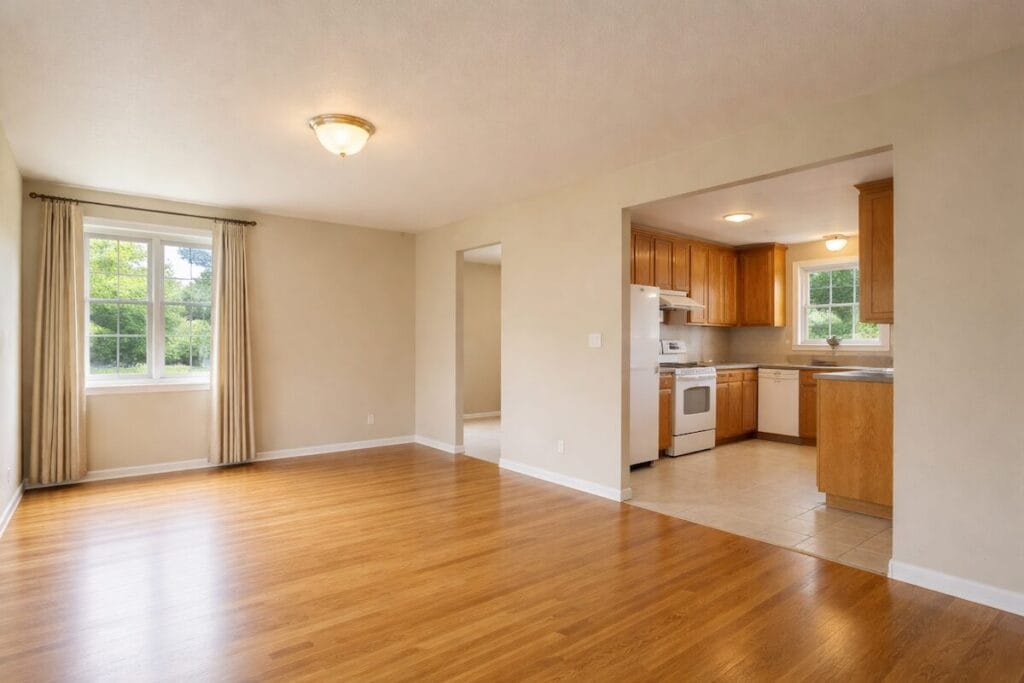
Empty Tulsa home needing updates that may slow a sale
Condition and presentation can impact days on market.

How to Help Your Home Sell Faster Without Cutting Corners

Selling faster doesn’t mean rushing or sacrificing value. It means aligning your home with what buyers are looking for in the current Tulsa market. Preparation, pricing, and communication all work together to shorten the timeline.

Start by understanding your home’s position in the market. Reviewing recent sales and current competition provides valuable insight. This helps avoid pricing mistakes that lead to extended days on market.

Next, focus on presentation. Clean, decluttered spaces and simple updates can significantly improve buyer perception. Homes that feel cared for tend to sell more efficiently.

Finally, be responsive and flexible during the showing and negotiation process. Clear communication helps maintain momentum and keeps buyers engaged through closing.

Staged dining room helping a Tulsa home sell faster
Thoughtful staging can reduce time on market.

Average Days on Market in Tulsa by Price Range

While exact numbers fluctuate, price range consistently influences average days on market in Tulsa. Lower-priced homes often attract more buyers, which can shorten timelines. Higher-priced homes typically require more patience.

Mid-range homes often strike a balance between demand and supply. When priced correctly, these homes tend to sell within the metro average. Condition and location still play significant roles.

Luxury or custom homes usually take longer due to a smaller buyer pool. Sellers in these categories benefit from realistic expectations and strong preparation.

Understanding how your price range fits into the broader market helps set clear expectations from the start.


Frequently Asked Questions About Selling a Home in Tulsa

How long does it take to sell a home in Tulsa from listing to closing?

From listing to closing, most Tulsa home sales take around two to three months. This includes time on the market plus the closing period. Homes that are priced and prepared well may move faster, while others may take longer depending on conditions.

Is now a good time to sell a home in Tulsa?

Selling can still be a good option depending on your goals and timing. The market is more balanced, which means pricing and preparation matter more than urgency. Sellers who plan carefully often have positive experiences.

Should I make repairs before listing my home?

In many cases, yes. Addressing visible maintenance issues can reduce time on market and improve buyer confidence. Not every repair is necessary, but focusing on first impressions usually pays off.

What if my home doesn’t sell quickly?

If your home doesn’t sell within the expected timeframe, reviewing pricing and presentation is often the first step. Adjustments can be made to improve visibility and buyer interest without starting over.

Can I sell and buy at the same time?

Yes, many sellers do. Planning ahead and understanding timelines helps reduce stress. Coordinating both transactions carefully is key. For a more detailed look at strategies, timing options, and common pitfalls, many homeowners find How to Buy and Sell a Home Simultaneously in Tulsa helpful when planning both transactions together.

Home sale documents and keys representing selling a home in Tulsa
Understanding the process helps sellers plan confidently.

Final Thoughts on Selling a Home in Tulsa

Understanding how long it takes to sell a home in Tulsa allows you to plan with confidence rather than guesswork. While average days on market provide helpful guidance, your individual timeline will depend on pricing, condition, location, and market conditions at the time you list.

Whether you’re a move-up buyer, downsizer, or simply exploring options, preparation makes a meaningful difference. Taking time to understand the process helps reduce stress and improves outcomes.

If you’re curious about your home’s current value, checking a property value estimate can be a helpful first step. Exploring current listings can also provide perspective on competition. And if you want a low-pressure conversation about timing and options, scheduling a meeting can offer clarity without obligation.

Selling a home is a major decision, and having realistic expectations makes it easier to move forward with confidence and peace of mind. If you’d like to talk through your specific situation, you can schedule a low-pressure conversation to review timing, pricing, and next steps based on your goals.

Leave a Comment

Your email address will not be published. Required fields are marked *