

Why Downsizing in Tulsa Is Growing
Downsizing isn’t just a trend—it’s becoming a practical, lifestyle-driven choice for many people across Tulsa. Whether you’re an empty nester with more space than you need, someone craving a low-maintenance lifestyle, or you simply want a home that fits your current stage of life, downsizing can offer a fresh sense of freedom. Here in Tulsa, where the housing market is diverse and neighborhoods range from walkable urban pockets to quiet suburban communities, it’s easier than ever to find a smaller home that still feels like an upgrade.

For many homeowners, downsizing means gaining more time back in your day, lowering monthly costs, and freeing yourself from maintaining spaces you no longer use. Financially, a smaller home often means reduced utility bills, lower property taxes, and fewer expenses related to upkeep. Emotionally, it can feel like stepping into a simpler, more intentional way of living—one where your home supports your goals instead of holding you back.
If downsizing has been on your mind, this guide will walk you through the process step by step, from deciding whether you’re ready to make the move to choosing the right Tulsa neighborhood for your next chapter. And if you’re exploring options for a next home, you may also like reading about buying a home in Tulsa.
Are You Ready to Downsize? Key Questions to Ask
Deciding to downsize isn’t just a financial step—it’s a lifestyle decision that affects how you live day to day. For many Tulsa homeowners, the idea begins as a quiet shift in thinking: “Do we still need all this space?” or “I want more freedom and less upkeep.” Before you start planning a move, it helps to dig into whether downsizing truly supports the life you want next.
Below is a thorough look at the questions that matter most.

How Well Does Your Current Home Fit Your Daily Life?
Walk through your home with fresh eyes. Are you using the space you’re paying for—and maintaining? For many people, the honest answer is no.
Signs your home may be larger than your current needs:
Entire bedrooms or floors sit unused
Formal dining or living rooms are more decorative than functional
Storage spaces are filled with items you rarely touch
You could easily live your daily life on one level
A “right-sized” home helps every room serve a purpose. Downsizing doesn’t mean downsizing your lifestyle—it means shaping a home around the way you truly live now.
Is Maintaining Your Current Home Taking More Than It’s Giving?
Larger homes demand more time, effort, and money. If you’re spending weekends cleaning, taking care of the yard, or managing repairs, the maintenance may be outweighing the joy.
Consider:
How much time do you spend cleaning or caring for unused spaces?
Do you pay others for yardwork or repairs you wouldn’t need in a smaller home?
Does upkeep feel physically tiring or stressful?
For many Tulsa downsizers, moving into a smaller home, townhome, or patio home brings a surprising sense of relief—and more free time.
Have Your Priorities or Lifestyle Changed?
As life shifts, so should your home. Downsizing often makes sense when your priorities evolve, such as:
Empty nesting: Extra bedrooms become storage.
Retirement planning: Daily rhythms change, and you may want more simplicity or flexibility.
Health or mobility changes: Stairs, large lots, or multi-level layouts can become challenging.
Wanting a lighter lifestyle: Many people simply want less to manage and more freedom.
Ask yourself whether your current home supports your next chapter—or whether it reflects a past chapter you’re ready to move on from.
Are You Financially Motivated to Make a Change?
Downsizing can significantly reduce monthly and long-term expenses:
Lower mortgage (or none at all)
Reduced property taxes
Lower homeowners insurance
Smaller utility bills
Fewer big-ticket repairs
Even if your long-term goal isn’t saving money, downsizing can free up financial breathing room. If you want to see what different scenarios might look like, tools like Bankrate’s affordability calculator make comparisons easier.
And if you’re beginning to think about next steps, you might also like reading preparing your home for sale, since the early stages of downsizing overlap with prepping your home for the market.
Are You Emotionally Ready for a New Chapter?
This is often the hardest part of the decision—and one of the most meaningful.
Downsizing involves:
Letting go of belongings tied to memories
Sorting through decades of items
Possibly leaving a long-time family home
It’s normal to feel excited and emotional at the same time. Think of downsizing as rightsizing—choosing what fits your life today rather than clinging to the needs of the past. Start small and give yourself time; the emotional clarity usually comes as you make progress.
Timing: Is Now the Right Season for You?
You don’t need a “perfect” time—you just need the right time for you. Consider:
Do you want more flexibility and less responsibility?
Would moving now help you prepare for retirement or lifestyle changes?
Do you want to avoid a rushed move down the road?
Tulsa downsizers often prefer spring and fall for smoother moves, but timing is ultimately about what aligns with your goals and energy level.
A Quick Self-Check
You might be ready to downsize if:
You frequently talk about wanting less home to manage
You feel curious or excited browsing smaller homes
You’re more relieved than stressed when imagining a simpler space
You want the freedom of fewer responsibilities or expenses
If any of these resonate, downsizing may be the right next step—and you’re already ahead by thinking it through thoughtfully.
If these questions feel familiar, you’re in the perfect place to keep exploring. Next, we’ll break down the financial side of downsizing in Tulsa so you can see what the numbers look like and how to plan confidently.
The Financial Side: What Downsizing Really Saves You in Tulsa
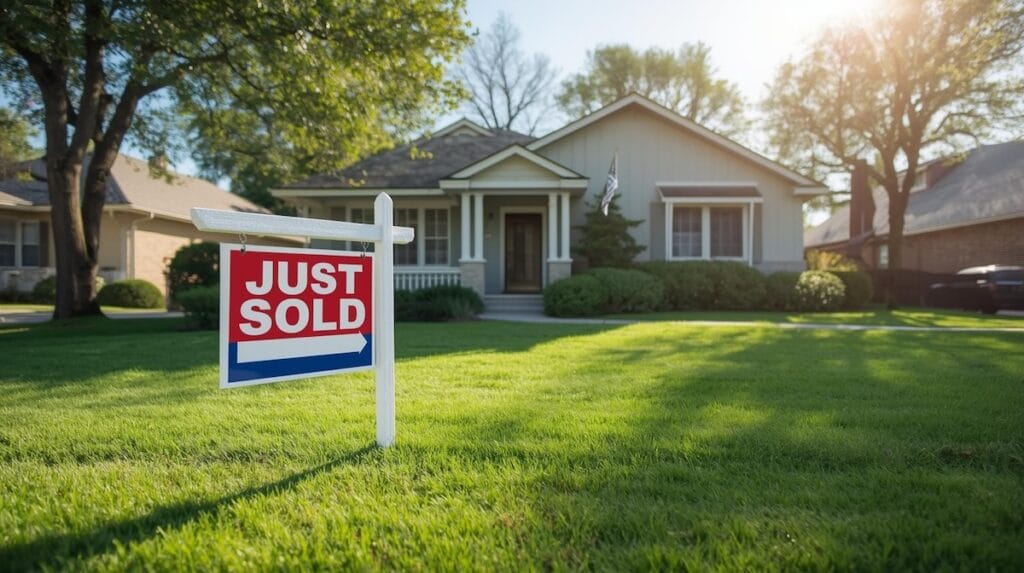
Deciding to downsize often starts with lifestyle goals, but for many Tulsa homeowners, the financial benefits are just as compelling. A smaller, more efficient home can lower your monthly expenses, reduce long-term maintenance costs, and free up equity you’ve built over the years. Before making the move, it’s helpful to understand exactly how downsizing can impact your budget and what to expect in today’s market.
Here’s a detailed look at the financial considerations that matter most.
Understanding Your Current Costs vs. Your Future Costs
Start by looking at what you’re currently spending each month:
Mortgage payment (or opportunity cost if your home is paid off)
Homeowners insurance
Property taxes
Utility bills
Maintenance and repair costs
Lawncare and cleaning services (if applicable)
When you downsize, many—if not all—of these expenses decrease:
Smaller homes usually mean lower taxes and insurance
Fewer square feet to heat and cool reduces monthly utilities
Newer or newly built homes often require less maintenance
Townhomes, condos, and patio homes may include exterior maintenance
For many Tulsa downsizers, the cumulative savings can be hundreds (and sometimes thousands) per month.
What You Gain by Unlocking Home Equity
If you’ve lived in your home for several years, you may have substantial equity. Downsizing allows you to:
Apply equity toward a smaller purchase
Eliminate your mortgage entirely
Increase long-term savings or investment opportunities
Reduce financial stress during retirement
Even for those not yet retired, freeing up equity can support travel, hobbies, or simply building a stronger financial foundation.
How Much Less Does a Smaller Home Cost in Tulsa?
Tulsa offers a wide range of housing options—bungalows, patio homes, condos, townhomes, and low-maintenance new construction. Most downsizers see meaningful price differences when moving from a larger suburban home to:
A smaller single-family home
A patio home with HOA-maintained exterior
A condo or townhome
A new construction home designed for efficient living
While prices vary by neighborhood, features, and age of the home, the gap between a 2,500–3,000 sq ft home and a smaller 1,200–1,800 sq ft home can be substantial.
This translates into:
Lower mortgage payments (if any)
Lower closing costs
Lower ongoing maintenance expenses
If you’re considering buying a home at the same time you’re selling, you may also want to review my full guide to selling a home in Tulsa, which explains how to maximize your selling power and estimate your net proceeds.
Utility and Maintenance Savings Add Up Quickly
In Tulsa’s climate—hot summers and cold winters—utility costs are often a major expense. Smaller homes require less heating and cooling, instantly lowering:
Electric bills
Gas bills
Water usage (especially with a smaller yard)
Maintenance also becomes significantly more affordable:
Smaller roofs cost less to repair or replace
Fewer windows = lower future replacement costs
Fewer bathrooms = fewer plumbing and fixture issues
Smaller yards = less landscaping or lawncare
These aren’t just occasional savings—they impact your monthly budget for years.
HOA Communities: Costs vs. Benefits
When downsizing, many homeowners consider moving into communities with a homeowners association (HOA). While HOAs have fees, the trade-offs may be worth it depending on your lifestyle.
HOA fees often include:
Lawncare
Exterior maintenance
Roof replacement
Snow removal
Neighborhood amenities
For many downsizers, paying an HOA fee is preferable to managing repairs or yardwork independently. The key is to compare the cost of the HOA with the services you no longer have to manage yourself.
Should You Sell First or Buy First?
This financial decision depends on:
Your current equity
Your comfort level managing two mortgages (even short-term)
Your ability to secure temporary housing
Your desire for timing flexibility
Many Tulsa downsizers choose to sell first to know exactly how much they’re working with. Since leasebacks are rare in this market, temporary housing is often part of the planning. Understanding your numbers early helps avoid rushed decisions later.
To explore property tax differences across Tulsa neighborhoods, the Tulsa County Assessor’s property tax estimator can help you compare expected costs.
A Realistic Look at Your Budget After Downsizing
Once you tally up projected housing expenses, you can take a realistic look at how downsizing may:
Increase monthly cash flow
Reduce financial anxiety
Allow you to retire sooner or more comfortably
Support your long-term financial goals
Many people are surprised by how much lighter their budget feels after the move.
Financial clarity is one of the biggest confidence boosters in the downsizing journey. Next, we’ll dive into the decluttering phase, which is often the most emotional—and empowering—part of the process.
Decluttering Before the Move (Without the Stress)
Decluttering is one of the most important steps in the downsizing journey—and often the most emotional. It’s the moment you begin to separate your next chapter from the one behind you. Whether you’ve lived in your Tulsa home for five years or thirty, the process of sorting through belongings can feel overwhelming at first. But with the right approach, decluttering becomes empowering, freeing, and even surprisingly peaceful.
Here’s how to make it manageable, meaningful, and stress-free.
Suggested Image Here: An organized closet with labeled bins and neutral décor.
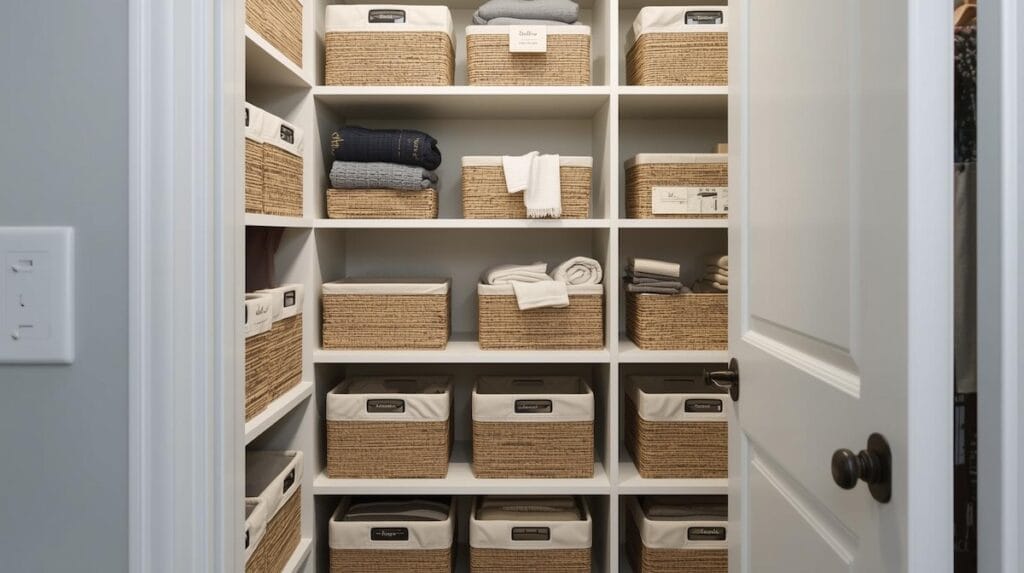
Start With a Clear, Simple System
A structured process takes the guesswork out of decluttering. One of the most effective systems for downsizers is the 4-Category Method:
Keep – Items you use regularly or truly love.
Donate – Items in good condition that someone else can use.
Sell – Valuable items you no longer want.
Discard – Anything broken, expired, or no longer useful.
Start with easy areas—linen closets, bathrooms, or a single dresser drawer—and build momentum before you tackle sentimental spaces.
Go Room by Room Instead of Doing the Whole House at Once
Trying to declutter an entire home in one sweep creates stress and decision fatigue. Instead, break your home into zones:
Kitchen
Primary bedroom
Guest rooms
Living spaces
Garage
Storage areas
Completing one space at a time gives you small wins that build confidence.
Tip: Kitchens and bathrooms are great early victories. Holiday décor and memorabilia are best saved for later when your decision-making stamina is stronger.
Be Honest About How Often You Use Something
One of the biggest mindset shifts in downsizing is moving from “I might need this someday” to “Does this item genuinely serve my life now?”
Ask yourself:
Have I used this in the last year?
Would I buy this again today?
Do I own duplicates I don’t need?
Does this item support my current lifestyle?
If the answer is no, it’s probably not something you need to bring into your new home.
Managing Sentimental Items With Grace
Sentimental items require patience and gentleness. They hold stories, not just space.
Here are ways to honor them without keeping everything:
Photograph special items (awards, childhood art, keepsakes).
Create a “memory box” for each family member.
Keep representative items instead of entire collections.
Pass meaningful pieces on to children or grandchildren.
Remember: letting go of the item doesn’t mean letting go of the memory.
Donation and Selling Options in Tulsa
Tulsa has excellent resources for giving your items a second life.
Places to donate:
Local churches and resale ministries
Selling options:
Facebook Marketplace
Tulsa Flea Market
Consignment shops for clothing and décor
Knowing where items will go makes letting them go easier.
How Long Does the Decluttering Process Really Take?
The timeline depends on:
How long you’ve lived in your home
How many belongings you’ve accumulated
Your emotional readiness
How much time you can dedicate each week
Most downsizers spend 4–12 weeks decluttering at a comfortable pace. If you’re unsure where to begin staging after you declutter, you might also like reading preparing your home for sale, which connects naturally with this process.
When to Ask for Help
You don’t have to go through this alone.
Many Tulsa homeowners find that help from a friend, family member, or professional organizer keeps the process on track.
Signs you might benefit from support:
You feel paralyzed by sentimental items
You don’t know where to start
You’re trying to declutter under a deadline
You feel overwhelmed by garages, attics, or storage areas
Sometimes a second set of eyes makes decisions clearer and faster.
Celebrate Progress Instead of Perfection
Decluttering is emotional. It’s normal to take breaks, step back, or even feel nostalgic. But each drawer cleared, each box donated, and each room simplified is forward movement.
Downsizing isn’t about doing everything perfectly—it’s about creating space for a life that feels easier, lighter, and more intentional.
When you’re ready, the next step is choosing the right type of home for your next chapter, from patio homes and condos to new construction options built with low-maintenance living in mind.
Choosing the Right Home Type for Your Next Chapter
Finding the right home is one of the most exciting parts of downsizing. Tulsa offers a wide variety of smaller, low-maintenance housing options—each with its own benefits depending on your lifestyle, mobility needs, and long-term plans. Whether you want a lock-and-leave community, single-level living, or simply a more manageable space, choosing the right type of home is key to making downsizing feel like an upgrade rather than a step down.

Patio Homes: A Top Choice for Tulsa Downsizers
Patio homes are incredibly popular with downsizers because they offer:
Single-story living
Minimal maintenance
Smaller, manageable yards (sometimes HOA-maintained)
Open floor plans ideal for aging in place
Attached garages for convenience and safety
They blend the privacy of a single-family home with the ease of low-maintenance living. Many Tulsa-area patio homes are located in HOA communities that cover exterior maintenance, landscaping, or both—making them a great fit for homeowners who want simplicity without giving up independence.
Condos: The Ultimate Low-Maintenance Lifestyle
If you’re ready to eliminate yardwork and exterior upkeep entirely, condos offer a true lock-and-leave lifestyle.
Benefits include:
HOA covers exterior repairs and groundskeeping
Often more affordable than single-family homes
Ideal for people who travel frequently or split time between homes
Smaller footprints perfect for downsizers wanting minimal upkeep
Condos do come with HOA fees, but for many homeowners, the trade-off is well worth the convenience and peace of mind.
Townhomes: A Blend of Privacy and Convenience
Townhomes offer more space than a typical condo while still keeping maintenance manageable.
They are perfect for downsizers who want:
A bit more room than a condo
HOA-covered exteriors and landscaping
Multi-level layouts without the upkeep of a large home
Townhomes can also be great transitional homes if you’re not ready for a single-level floor plan or if you still want extra space for guests or hobbies.
Smaller Single-Family Homes: Simplified Living Without Shared Walls
Many Tulsa downsizers prefer a smaller traditional home—something around 1,200–1,800 square feet that offers:
Fewer rooms to clean
Lower utility costs
A smaller yard that’s still “yours”
Quiet, residential surroundings
This is a great choice for homeowners who want to stay in familiar neighborhoods or near family while still reducing their overall maintenance responsibilities.
New Construction Designed for Downsizing
New construction offers modern layouts and features that appeal to downsizers:
Energy-efficient systems
Wider doorways and accessible layouts
Walk-in showers
Open floor plans
Minimal future repair needs
Builders across the Tulsa metro are creating communities specifically with downsizers in mind. If you’re curious about what new homes can offer in terms of low maintenance and modern amenities, you might also like reading new construction homes in the Tulsa metro, which covers the full range of local builders and communities.
Key Features That Make a Downsized Home Feel Larger
The right features can make a smaller home feel comfortable, spacious, and functional:
Open floor plan for easy movement
High ceilings and large windows to maximize light
Smart storage solutions—built-ins, walk-in pantries, mudrooms
Minimal hallways to maximize usable living space
Outdoor living spaces that expand your footprint
Downsizing doesn’t mean sacrificing comfort—it’s about choosing smart, efficient design over unused rooms and unnecessary square footage.
Accessibility and Aging-in-Place Considerations
If you’re planning to stay in your next home long-term, it’s wise to think ahead:
Single-level living
Zero-entry (no-step) showers
Wider hallways and doorways
Minimal or no stairs
Laundry near the primary bedroom
Resources like the HUD aging-in-place guidelines can help you evaluate homes with long-term comfort in mind.
Your Lifestyle Will Guide Your Best Fit
Before choosing a home type, ask yourself:
Do I want total freedom from exterior maintenance?
Do I need single-story living?
Do I want a community with amenities?
Do I want a smaller yard, or none at all?
Do I prefer a private home or shared-wall living?
There’s no single “right” downsizing choice—just the one that perfectly matches the way you want to live.
In the next section, we’ll explore which Tulsa neighborhoods work best for downsizers, from walkable Midtown areas to low-maintenance suburban communities.
Tulsa Areas Popular with Downsizers
Tulsa offers a wide range of neighborhoods that appeal to downsizers looking for comfort, convenience, and low-maintenance living. Whether you want walkability, proximity to amenities, newer construction, or a quiet suburban feel, there are several areas across the metro that provide excellent options. Each neighborhood has its own personality—and choosing the right fit can make your downsizing experience feel seamless and exciting.
Below are the Tulsa-area communities most popular with downsizers and why each one stands out.
South Tulsa: Convenience, Comfort & Low-Maintenance Options
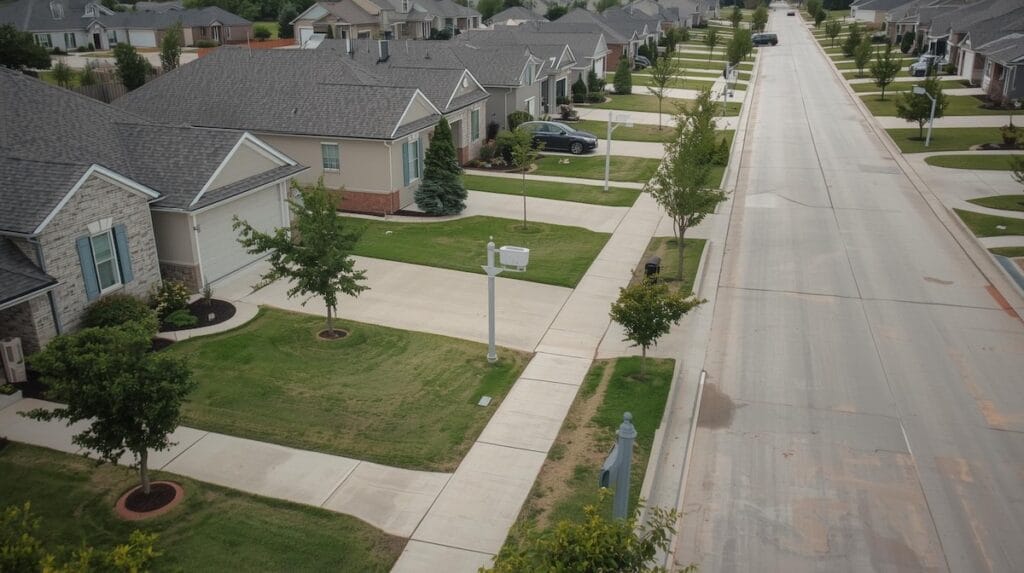
South Tulsa remains one of the top picks for downsizers because it offers:
Patio home and townhome communities
Quiet, well-maintained neighborhoods
Easy access to medical providers, shopping, and dining
Mature landscaping and established communities
Many homes here offer single-level living and low-maintenance yards. The convenience of nearby shopping (Woodland Hills, KingsPointe, 91st & Yale corridor) makes South Tulsa especially appealing to those who want amenities close without the bustle of urban living.
If you want to explore additional neighborhoods in this area, you might also like reading the Tulsa neighborhoods guide for deeper insight.
Broken Arrow: Suburban Ease with Newer Communities
Broken Arrow is one of the fastest-growing cities in the metro—and a favorite for downsizers who want a friendly, suburban feel with modern conveniences.
Why downsizers love it:
Numerous patio home and single-level new construction options
Peaceful, well-kept neighborhoods
Access to medical centers, shopping, restaurants, and entertainment (like the Rose District)
Affordable price points compared to nearby cities
Many homeowners choose Broken Arrow for its balance of quiet living and easy access to everything you need day to day.
Jenks: A Small-Town Feel with Modern Comforts
Jenks is perfect for downsizers wanting a suburban lifestyle with strong community charm.
Highlights include:
Quiet, walkable neighborhoods
Newer construction communities with low-maintenance options
Popular amenities such as the Riverwalk, Jenks Aquatic Center, and nearby medical facilities
Ideal for grandparents who want to stay close to family in highly rated school districts
Jenks blends a small-town feel with upscale touches, making it a popular choice for those wanting comfort and convenience.
Bixby: Relaxed Living with Newer Homes and Spacious Layouts
Bixby continues to grow, offering downsizers a calm, suburban atmosphere with modern housing options.
Downsizers choose Bixby for:
Beautiful newer neighborhoods
Patio homes and single-level floor plans in planned communities
Low traffic and quieter streets
Access to parks, trails, and the Bixby Creek Turnpike corridor
Bixby is ideal for those who want peaceful surroundings but still want to stay close to South Tulsa conveniences.
Midtown Tulsa: Walkability, Charm & Character
If you want something smaller but still rich in personality, Midtown may be the perfect fit.
Why downsizers love Midtown:
Walkable neighborhoods near Brookside, Cherry Street, Utica Square
Smaller historic homes full of charm
Proximity to restaurants, entertainment, parks, and trails
Lower-maintenance lots
Access to St. John and Hillcrest medical centers
Midtown is ideal if you want to downsize without giving up character, style, or walkability.
Additional Areas to Consider
Owasso
Offers newer single-level homes, excellent shopping, and access to medical centers. A great option for those who want a quieter community with strong amenities.
Sand Springs & Sapulpa
Affordable, peaceful communities with smaller homes and quiet neighborhoods. Perfect for downsizers seeking value and simplicity.
Coweta
A slower pace of life with new construction options and plenty of space—great for those wanting a more rural feel without moving too far from Tulsa.
Choosing the Right Neighborhood Comes Down to Lifestyle
Consider:
Do you want walkability or a quiet suburban street?
Do you prefer newer construction with modern features?
How important is proximity to healthcare or shopping?
Do you want to be close to family or grandkids?
Do you want complete low-maintenance living or a small yard?
Each Tulsa-area community offers something unique, and the “best” neighborhood is the one that matches the way you want to live now—and in the future.
Next, we’ll walk through what to expect when selling your current home in Tulsa’s market, including timing strategies, pricing, and how to handle coordinating your sale and next purchase.
Selling Your Current Home: What to Expect in Tulsa’s Market
When you’re downsizing, selling your current home becomes one of the most important steps in the process. The goal isn’t just to sell—it’s to sell well, with the right timing, pricing, and preparation so you can move smoothly into your next chapter. Whether you’ve lived in your home for three years or thirty, understanding what to expect in the current Tulsa market can help you plan confidently and avoid surprises.
Here’s a clear look at what the selling process typically involves for downsizers.
Preparing Your Home for Today’s Buyers
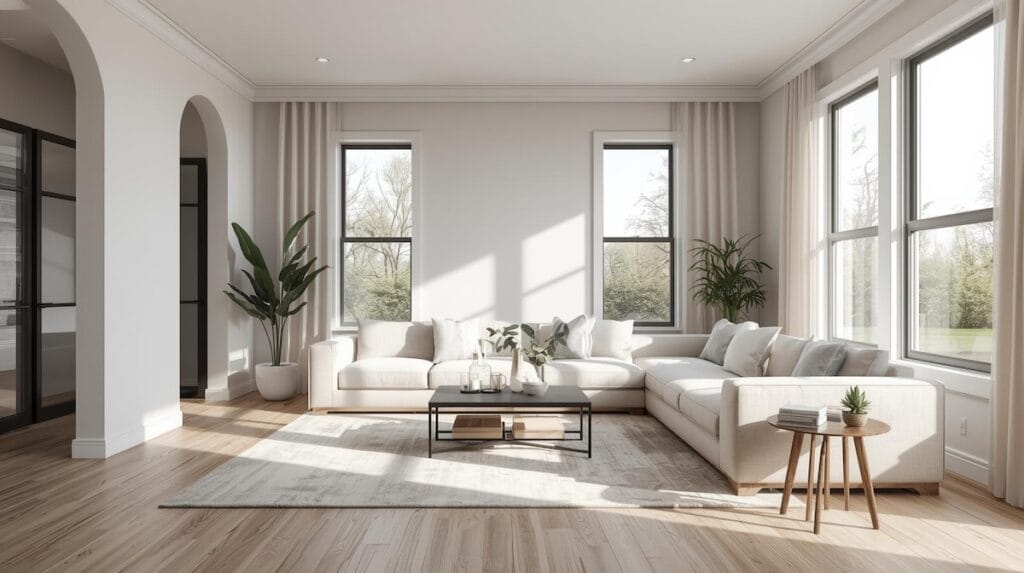
Today’s buyers expect homes to look clean, bright, and move-in ready. For downsizers, this often means:
Finishing your decluttering phase
Completing small repairs you’ve been putting off
Neutralizing décor where needed
Deep cleaning the entire home
Making sure curb appeal is fresh and welcoming
If you’ve already been working through the downsizing process, you’re ahead of the game—the same preparation that helps you simplify also helps you attract strong offers. If you want a deeper walkthrough of preparation techniques, you might also find selling a home in Tulsa: the complete guide helpful.
Pricing Strategy Matters—Especially in a Transitional Market
Tulsa’s real estate market can shift throughout the year, and downsizers often ask how to price their home strategically without leaving money on the table.
A strong pricing strategy will consider:
Recent comparable sales in your neighborhood
Current supply and demand
The condition and updates of your home
Your ideal timeframe for selling
Whether the home is likely to attract first-time buyers, move-up buyers, or investors
The right price helps maximize interest early on, which is when your listing is freshest and most visible.
What to Expect During Showings
Showings are often the most stressful part of selling while still living in the home, but with downsizing preparation already underway, the process becomes easier.
Buyers typically want to:
See a clean, uncluttered home
Experience a neutral, welcoming environment
Walk through freely without feeling like they’re intruding
If mobility or scheduling will be difficult for you, discuss showing accommodations early. You may need:
Limited showing hours
Longer notice before showings
Weekend-only showings
A showing window that works with your routine
Flexibility is helpful but not required—buyers will work around your boundaries.
How Long Will It Take to Sell?
In the Tulsa metro, the timeline depends on:
Neighborhood
Price point
Time of year
Overall listing condition
Well-prepared, well-priced homes tend to move faster, especially in popular areas like South Tulsa, Broken Arrow, Jenks, and Midtown. Homes with updates, good curb appeal, and thoughtful staging typically attract more interest and stronger offers.
The Biggest Challenge for Downsizers: Coordinating the Sale and the Next Purchase
One of the most common concerns for downsizers is timing:
“What if my home sells before I find the right next home?”
Because leasebacks are uncommon in the Tulsa market, most downsizers prepare for alternatives such as:
Short-term rentals
Month-to-month apartments
Staying with family temporarily
Setting aside funds for a storage unit if needed
Buying first is an option if you’re financially comfortable doing so, but most downsizers choose to sell first so they know exactly what they’re working with.
This planning step is essential—once you know your timeline and flexibility, everything else becomes easier.
What Happens After You Accept an Offer
After going under contract, expect:
Inspections
Possible repair negotiations
Appraisal
Final walk-through
Closing
A well-prepared home often results in smoother negotiations and fewer hurdles, since buyers see the care that’s gone into maintaining and presenting the property.
For more detail on what comes next, you might also find selling a home in Tulsa: the complete guide helpful—it breaks down each step from listing to closing.
Selling Your Home Should Support Your Next Chapter—Not Complicate It
The aim of selling is not just to get your home off the market—it’s to transition into a home and lifestyle that better fits where you’re heading. With the right preparation and strategy, selling your current home becomes a stepping stone, not a stumbling block.
Next, we’ll move into the logistics of managing your move, including packing timelines, hiring movers, and how to avoid feeling overwhelmed.
Managing the Move: Stress-Free Logistics for Downsizers
Once your home is on the market—or sold—the next big step is navigating the move itself. Moving is always a project, but downsizing adds unique considerations: deciding what to bring, coordinating timelines, and creating a smooth transition into your new home. With the right planning and a realistic timeline, you can make the process feel manageable and even surprisingly calm.
Here’s how to stay organized, efficient, and stress-free during your move.

Create a Realistic Moving Timeline
A successful move begins with a clear, well-paced plan. Downsizers benefit from a timeline that includes:
Decluttering and sorting (usually 4–12 weeks)
Identifying what will move with you
Donation drop-offs or scheduled pickups
Scheduling movers early
Packing in phases rather than all at once
Plan your timeline backward from your expected closing date to avoid last-minute stress.
Pro Tip: Pack decorative and non-essential items first, then move to everyday items as your move date approaches.
Hiring the Right Movers Makes All the Difference
Not all moving companies are the same—especially when it comes to downsizing. Look for movers experienced with:
Senior relocation
Smaller homes or apartments
Delicate or valuable items
Packing and unpacking services
In Tulsa, companies like Two Men and a Truck are known for reliability and flexible service options.
Be sure to ask:
Are packing materials included?
Can they move heavy or oversized items?
What insurance options are available?
Do they offer a “partial packing” option if you only need help with certain areas?
Getting quotes early ensures you secure your preferred date.
Pack With Your New Space in Mind
Packing during a downsizing move is different—you’re not just moving your belongings, you’re curating them for a new lifestyle.
As you pack:
Measure furniture to confirm it fits your new layout
Label boxes clearly by room and priority (e.g., “Open First”)
Group similar items together to streamline unpacking
Avoid packing items you’re unsure about—decide before they go in a box
If something doesn’t have a clear place in your new home, consider donating or gifting it now instead of later.
Have a Plan for Storage (If You Need It)
Not every downsizer moves directly from one home into the next. Temporary storage can be a lifesaver if:
You need short-term housing between homes
You’re waiting on new construction to be finished
You’re still deciding on a few larger items
Tulsa offers many options, from climate-controlled storage to portable containers. Choose climate-controlled if you’re storing wood furniture, art, photos, electronics, or anything temperature sensitive.
Prepare a “First Week” Box or Tote
This is one of the most helpful moving tips for downsizers.
Pack one box with essentials you’ll want immediately in your new home:
Toiletries
Bed linens
A few basic kitchen items
Medication and daily-use items
Tool kit
Chargers
Comfortable clothes
A dedicated “First Week” box saves you from rummaging through dozens of boxes on your first night.
Don’t Forget About Your Pets
If you have pets—like your Bernedoodle or Sheepadoodle—you’ll want to make the transition easier for them too.
Plan for:
A quiet, safe space on moving day
Updated ID tags
Easily accessible food, leashes, and familiar items
Gradual introductions to the new home
Pets feel the stress of moving as much as humans do, so keeping routines consistent helps them adjust more peacefully.
Stay Ahead of Moving-Day Stress
A few steps can dramatically reduce day-of anxiety:
Confirm all logistics with your movers 48 hours before
Have payment ready (many movers don’t accept personal checks)
Keep important documents in a separate, clearly marked bag
Arrange for someone to help manage pets or greet movers if needed
Most importantly, pace yourself. Moving is a lot—even when well-planned—and giving yourself grace makes the experience smoother and more positive.
Look Forward to the Fresh Start
The physical move is often the turning point when downsizers begin feeling excited about their new chapter. Once the boxes are loaded and your home is empty, you’ll have a clean slate waiting for you—a space designed for the lifestyle you want now.
For a deeper look at the transition itself, you may also like reading relocation and moving to Tulsa, which shares helpful strategies that apply even for local moves.
Next, we’ll explore how to adjust to life in a smaller home, including storage ideas, design tips, and ways to make your new space feel like home from day one.
Adjusting to Life in a Smaller Home
Downsizing doesn’t end when the moving truck drives away. The next phase—settling into your new space—is where the benefits of simpler living really start to shine. A smaller home can feel cozy, peaceful, and freeing, but it can also take a little time to adjust, especially if you’ve lived in a larger home for many years. With the right approach, you can make your new space feel intentional, functional, and perfectly suited to your lifestyle.
Here’s how to make the transition smooth and enjoyable.
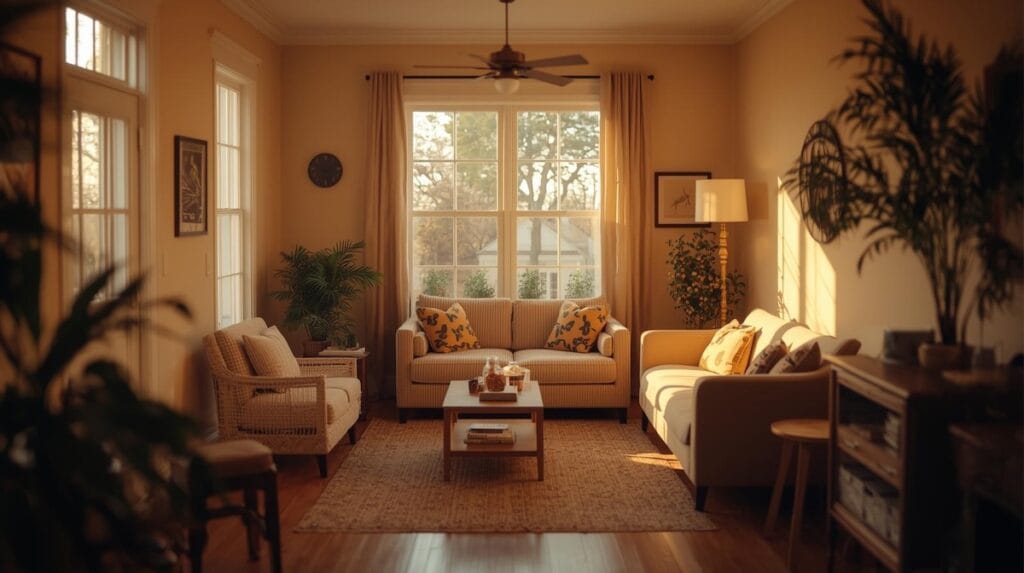
Start by Defining the Purpose of Each Room
In a smaller home, every room matters. Before unpacking, take a moment to think about how you want each space to function.
Ask yourself:
What do I want this room to do for me?
Will this space support my daily routines?
What activities will actually happen here?
For example:
A spare room may work better as a home office than a guest room you only use twice a year.
A dining room might become a reading nook if you rarely host formal dinners.
Your new home doesn’t need to follow traditional layouts—it should reflect how you live now.
Use Smart Storage to Make the Most of Your Space
Smaller homes thrive on well-planned storage. Fortunately, Tulsa downsizers have plenty of creative options to maximize space without adding clutter.
Consider:
Furniture with built-in storage: ottomans, benches, coffee tables with drawers
Vertical storage: bookcases, tall cabinets, wall shelving
Under-bed storage: low-profile bins or rolling drawers
Closet systems: adjustable shelving or baskets to increase functionality
Hooks and pegboards: great for entryways, utility rooms, and kitchens
The goal isn’t to fill every corner—it’s to create intentional spaces where everything has a home.
Embrace a Minimalist Mindset (Without Feeling Restricted)
Downsizing permits you to keep only what you truly love or need. Instead of viewing the smaller space as limiting, think of it as an opportunity to curate a simpler, more intentional lifestyle.
Ways to stay minimalist without feeling deprived:
Keep surfaces clear to create a sense of openness
Use décor intentionally—one statement piece instead of many small items
Choose furniture that fits the scale of the room
Let in as much natural light as possible to make spaces feel airy
Limit duplicates (you likely don’t need three sets of measuring cups or ten throw blankets)
Minimalism isn’t about living with less—it’s about living with what adds value.
Make Thoughtful Design Choices That Maximize Space
The right design decisions can make your new home feel significantly larger.
Try:
Light paint colors to brighten rooms
Mirrors to reflect light and expand visual space
Consistent flooring to create flow
Open shelving in kitchens and bathrooms if storage is sufficient elsewhere
Multi-use furniture: a table that works for dining and projects; a Murphy bed in a guest space
Even small adjustments make a big difference in how spacious your home feels.
Keep Only What Fits Your Current Lifestyle
As you unpack, ask yourself:
Do I use this regularly?
Does it have a place in my new home?
Does it fit my style today—not the style of my home 10 or 20 years ago?
If the answer is no, it’s okay to let it go. A smaller space encourages clarity and helps prevent old habits from creeping into your fresh start.
Stay Organized as You Settle In
The first few weeks in a smaller home are crucial for creating systems that last.
Helpful routines include:
Doing a quick tidy every evening
Putting items back in their designated spot
Avoiding “drop zones” that quickly grow into clutter
Keeping mail and paperwork in a single organized area
Staying organized isn’t about rigid rules—it’s about creating a home that supports your daily life with ease.
Personalize Your New Space So It Feels Like Home
Downsizing doesn’t mean giving up the comforts that make your home feel warm and inviting.
Bring in items that have meaning:
Family photos
A favorite piece of art
A cozy throw blanket
Plants to bring life to smaller spaces
A few sentimental items displayed intentionally
Thoughtful personalization turns a smaller home into a sanctuary.
Give Yourself Time to Adjust
It’s normal for the transition to feel emotional. You may miss certain spaces or routines from your previous home at first. But most downsizers find that, within a few months, they feel lighter, freer, and more aligned with their new lifestyle.
Remember:
You’re not losing space—you’re gaining simplicity.
You’re not downsizing memories—you’re creating room for new ones.
You’re choosing a home that supports the life you want now.
If you’re looking to make minor upgrades or want maintenance tips for your new space, you might also enjoy the home maintenance and improvement guide, which offers easy ways to keep your smaller home running smoothly.
Next, we’ll explore downsizing for retirement, including financial benefits, lifestyle considerations, and what features to look for if you’re planning to age in place.
Downsizing for Retirement in Tulsa
Downsizing becomes especially meaningful when you’re planning for retirement. The right home can give you financial stability, low-maintenance living, and a lifestyle that supports your health, hobbies, and long-term comfort. Tulsa offers an excellent mix of retirement-friendly neighborhoods, medical access, and housing options that make it easier to enjoy this next chapter without the burdens of a larger home.
Here’s what to consider as you plan a downsizing move designed for retirement.

How Downsizing Can Strengthen Your Retirement Budget
For many retirees, the financial benefits of downsizing are a huge relief. A smaller home often means:
Lower monthly utility bills
Reduced property taxes
Lower homeowners insurance
Fewer costly repairs
Potentially no mortgage
Freeing up home equity can also provide more financial flexibility and stability, giving you room for:
Travel
Hobbies
Healthcare expenses
Supporting family
Building or preserving savings
Downsizing isn’t just about affordability—it’s about aligning your budget with your goals.
Choosing a Home That Supports Aging in Place
As you consider your next home, think about how easily you’ll be able to live in it long-term. Tulsa’s housing market offers many properties designed with accessibility and comfort in mind.
Key features to look for:
Single-story floor plans
Zero-entry (no-step) entrances
Wide doorways and hallways
Walk-in showers instead of tubs
Slip-resistant flooring
Minimal thresholds between rooms
Laundry near the primary bedroom
These features make day-to-day living easier as mobility needs evolve. For more details on what to look for, HUD’s aging-in-place guidelines offer helpful insights.
Location Matters: Proximity to Healthcare and Amenities
Tulsa is home to excellent medical systems like St. Francis and St. John, which many retirees prefer to stay close to. When downsizing for retirement, consider:
Access to medical facilities
Distance to pharmacies and grocery stores
Proximity to walking trails, parks, and recreation
Travel routes to visit family and grandchildren
Nearby fitness centers, senior programs, or hobby spaces
Neighborhoods in South Tulsa, Midtown, Broken Arrow, and Jenks tend to offer strong access to healthcare, shopping, and daily conveniences.
The Appeal of Low-Maintenance Communities
Many retirees choose patio homes, townhomes, or condos located within HOA communities. While HOA fees vary, they often include:
Lawncare and landscaping
Exterior maintenance
Roof repairs or replacements
Snow removal
Community amenities (pools, walking trails, clubhouses)
For retirees who travel, having exterior maintenance handled by the HOA makes lock-and-leave living simple and stress-free.
Staying Close to Family (Especially Grandkids!)
One of the biggest motivators retirees mention when downsizing is staying close to children and grandchildren. Tulsa’s diverse neighborhoods allow many retirees to choose:
Quieter homes near family
Lower-maintenance options in top school districts
Walkable areas for visits and activities
Jenks, Bixby, and Broken Arrow are often favorites for grandparents who want to remain nearby while enjoying a home that supports their lifestyle.
Retirement Doesn’t Mean Slowing Down—It Means Living Intentionally
Downsizing gives you the freedom to spend time on what matters to you:
Gardening
Volunteering
Travel
Fitness
Creative projects
Social activities
With fewer household responsibilities, retirees often find they have more energy to explore new interests and meaningful routines.
Planning Ahead Helps You Avoid Rushed Decisions Later
Even if retirement is still a few years away, downsizing early can offer major advantages:
More time to find the perfect home
Less pressure to make quick decisions
Ability to move before a health event forces a rushed transition
Opportunity to declutter and simplify gradually
Potential financial benefits from selling in a stronger market
Planning ahead lets you enjoy the process rather than feeling pushed into it.
If you want lifestyle inspiration for your next chapter, you may also enjoy browsing the Tulsa Living category, which highlights local activities, amenities, and neighborhood experiences perfect for retirees.
Downsizing for a Fresh Start: Empty Nest, Divorce, or Simplifying Life
Downsizing isn’t always about retirement or finances. For many people, it’s about turning the page and stepping into a new season of life. Whether you’re becoming an empty nester, navigating a divorce, or simply craving a calmer, more intentional lifestyle, downsizing can be a powerful way to reset—both emotionally and practically.
A smaller home often brings relief, clarity, and the freedom to rebuild routines and spaces that reflect who you are now, not who you used to be.

Empty Nesters: Redefining Home After the Kids Move Out
When children move out, the home that once felt full can suddenly feel oversized and disconnected from your daily life. Downsizing allows empty nesters to:
Let go of unused space
Reduce household expenses
Reclaim time that was once spent maintaining a larger home
Create a home environment designed for the lifestyle they want now
This transition can be emotional—bedrooms full of memories, closets filled with keepsakes—but it also offers tremendous opportunity. Many empty nesters rediscover hobbies, travel more, and enjoy the freedom that comes with a right-sized home.
Downsizing After Divorce: Building Stability and Independence
A divorce often brings significant life changes, and housing is one of the biggest. Downsizing can provide:
Financial relief and predictability
A space that feels manageable and peaceful
A clean slate to create new routines
A home that reflects your tastes and needs—not compromises
Moving into a smaller home can be a grounding step during a time of transition. It’s not about starting over—it’s about rebuilding in a space that supports healing, growth, and stability.
And if this is your first time purchasing a home independently, you may also like exploring the first-time homebuyer guide, which offers insight into navigating financing and the buying process with confidence.
Downsizing to Simplify: Choosing Peace Over Pressure
More and more people are downsizing simply because they want to live with less stress and more intention. Signs you may be ready to simplify:
You no longer want to spend weekends cleaning or maintaining a large home
You want to declutter and live with fewer belongings
You crave a more peaceful daily routine
You prefer comfort and quality over quantity
You’re drawn to the idea of a lighter, easier lifestyle
A smaller space encourages thoughtful living: fewer chores, fewer distractions, and a greater focus on the things and people that bring joy.
Creating New Routines and Rhythms
Whether you’re entering a new life phase or seeking a reset, downsizing gives you a chance to build routines that feel good.
Try:
Setting up a cozy reading corner
Creating a morning ritual in a sunny spot
Designing a simple, functional kitchen for everyday meals
Carving out space for a hobby or passion project
Smaller homes naturally offer more intimacy and connection, which can be deeply grounding during major life transitions.
Finding Support Through Tulsa’s Community Resources
If your downsizing journey is tied to emotional or life changes, Tulsa offers helpful organizations, including:
Mental Health Association Oklahoma
Local support groups for empty nesters, divorce recovery, or life transitions
Faith-based community programs
Hobby clubs and fitness groups that help you plug into new social circles
Connection plays a huge role in making a fresh start feel positive and empowering.
A Smaller Home Can Feel Like a New Beginning
The beauty of downsizing during a life transition is that it creates space—physically, emotionally, and financially—to focus on what you want next.
A smaller home can represent:
A fresh identity
A more peaceful daily experience
A place where you feel in control
A new chapter filled with possibility
Downsizing isn’t about moving backward—it’s about stepping forward into a life that feels intentional, supported, and aligned with who you’re becoming.
Frequently Asked Questions About Downsizing in Tulsa
Downsizing is a big decision, and it’s completely normal to have questions as you plan your next steps. Whether you’re trying to understand the timing, financial impact, or what life will look like in a smaller home, these answers will help clarify the process and give you confidence moving forward.
Below are the most common questions Tulsa homeowners ask when considering a downsizing move.

When is the best time of year to downsize in Tulsa?
There’s no single “perfect” time, but many homeowners prefer spring and fall because:
Weather is milder for moving
Buyers tend to be more active
Homes show better with seasonal curb appeal
That said, downsizing is more about your schedule than the market. If you’re preparing early and presenting your home well, you can successfully downsize during any season.
How long does the whole process take?
Most homeowners spend:
4–12 weeks decluttering
2–4 weeks preparing the home for sale
30–45 days in the closing period once under contract
From the moment you decide to downsize, the full journey typically takes 2–5 months, depending on your pace and local housing availability.
Should I sell my current home before buying my next one?
For most downsizers in Tulsa, the safest approach is to sell first, because:
You know exactly how much equity you’ll have
You avoid carrying two mortgages
You can plan your purchase with clarity
Because leasebacks are uncommon in Tulsa, many downsizers use short-term rentals or temporary housing during the transition. Buying first is possible, but requires financial flexibility.
How much can I realistically save by downsizing?
Savings vary, but most downsizers see reductions in:
Monthly mortgage (or eliminating it entirely)
Utility costs
Property taxes
Homeowners insurance
Maintenance and repair expenses
Many homeowners also unlock substantial equity, which can strengthen retirement plans or create cash-flow freedom.
What type of home is best for downsizing?
The best home depends on your lifestyle, but popular choices include:
Patio homes – single-level, low maintenance
Townhomes or condos – lock-and-leave convenience
Smaller single-family homes – privacy with manageable upkeep
New construction – modern layouts and fewer immediate repairs
Features like single-story living, accessible layouts, and easy yard care often make downsized homes comfortable long-term.
How do I know what to keep and what to let go of?
A good rule of thumb:
Keep what you use regularly
Keep what adds joy or value
Let go of duplicates or outdated items
Let go of anything that won’t fit your new home
If you feel stuck, donation, consignment, and digital keepsake options can help. Decluttering takes time—small steps over several weeks are much more sustainable.
What should I do if I feel overwhelmed by the process?
Feeling overwhelmed is completely normal. Downsizing involves practical steps and emotional decisions.
You may benefit from:
Breaking the process into small, manageable tasks
Asking family or friends for help
Hiring a professional organizer
Seeking community support groups if your downsizing follows a major life transition
You’re not alone—and you don’t have to do everything at once.
Will a smaller home feel too cramped?
Not if you choose the right design and layout. Many downsizers are surprised at how roomy and peaceful a smaller home feels with:
Open floor plans
Good natural light
Smart storage solutions
Multi-purpose furniture
Thoughtfully arranged rooms
A well-designed smaller home often feels more comfortable and efficient than a larger home with unused space.
How do I choose the right Tulsa neighborhood for downsizing?
Consider:
Proximity to family or healthcare
Walkability
Access to shopping, dining, and daily conveniences
Neighborhood noise and traffic levels
HOA preferences
Whether you prefer historic charm or new construction
Popular areas for downsizers include South Tulsa, Broken Arrow, Bixby, Jenks, Midtown, and Owasso.
What if I’m not sure I’m ready yet?
You don’t have to decide today.
Start by:
Touring a few smaller homes
Beginning light decluttering
Reviewing your finances
Exploring neighborhoods you like
Reflecting on your goals for the next 5–10 years
The more information you gather, the clearer your decision becomes.
Your Next Chapter Starts with the Right Move
Downsizing isn’t simply about choosing a smaller home—it’s about creating a lifestyle that feels lighter, more intentional, and more aligned with the season of life you’re entering. Whether your motivation is financial freedom, a simpler routine, retirement planning, or a fresh start, downsizing can open the door to a home that truly fits the way you want to live now.
You’ve explored the questions to ask yourself, the financial benefits, the Tulsa neighborhoods that work best for downsizers, and the nuts and bolts of selling, moving, and adjusting to a new space. With the right preparation and a clear plan, downsizing becomes far less overwhelming and far more empowering.
This is your opportunity to:
Reduce stress and maintenance
Free up time and energy
Create a home that supports your next chapter
Build financial flexibility
Live with more purpose and comfort
If you’re ready to take the next step—or even if you’re just starting to explore your options—I’m here to help you with every part of the transition. Whether you want to talk through timing, explore neighborhoods, estimate your home’s value, or get guidance on what to look for in your next home, I’m always happy to share local insight.
You don’t have to navigate downsizing alone. When you’re ready, let’s talk through your goals and create a plan that feels right for you.
Share this post: on Twitter on Facebook