
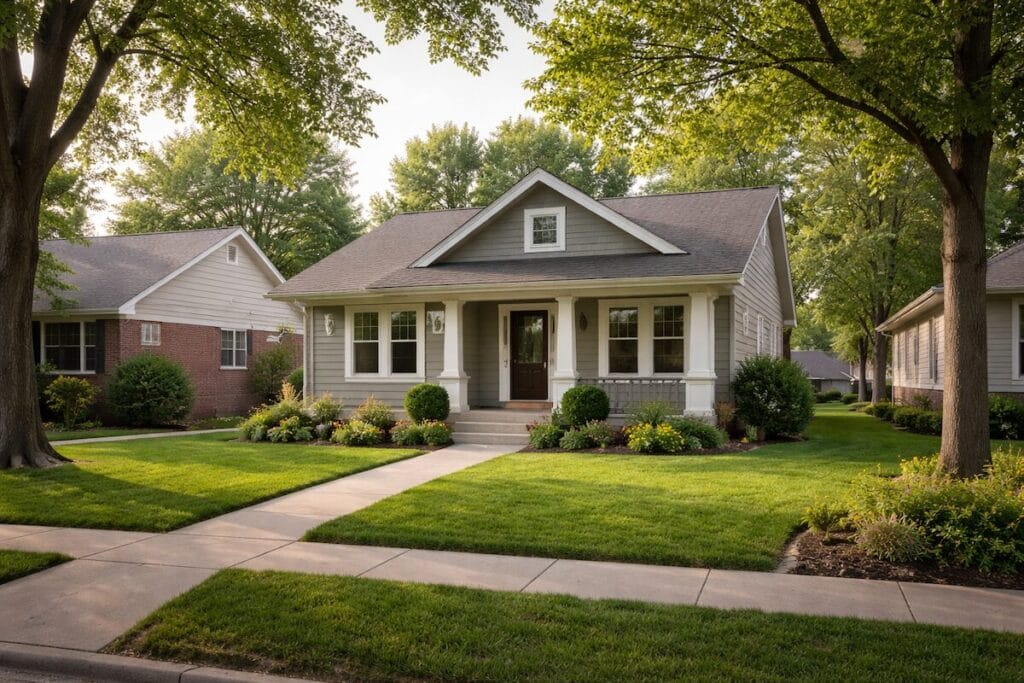
Buying a home contingent on selling in Tulsa can feel like walking a tightrope, especially if you are moving up or downsizing in the Tulsa area. Many homeowners assume this type of offer puts them at a disadvantage, or that sellers will automatically pass them over. While contingent offers do require more planning, they are far more common and workable than most buyers realize when structured correctly.
For move-up buyers, the challenge is usually equity timing. You may have substantial equity in your current home but need those funds to purchase your next one. Downsizers often face a similar issue, especially when they want to avoid carrying two homes at once or tapping into retirement savings unnecessarily. In both situations, a home sale contingency can be a practical and financially responsible strategy when used thoughtfully.
Tulsa, Broken Arrow, Bixby, Jenks, Owasso, and nearby suburbs all have slightly different market dynamics, but the same core principles apply. Sellers want certainty, clear timelines, and confidence that a deal will close. A contingent buyer who understands how to reduce risk and communicate clearly can still be competitive, even in a market with limited inventory.
This guide explains how buying a home contingent on selling yours actually works, why sellers hesitate, and how to structure your offer so it is taken seriously. We will also walk through local scenarios, common misconceptions, and planning strategies that can make the process far less stressful. If you are trying to coordinate selling and buying without making costly mistakes, this article will help you understand the “why” behind each step, not just the mechanics.
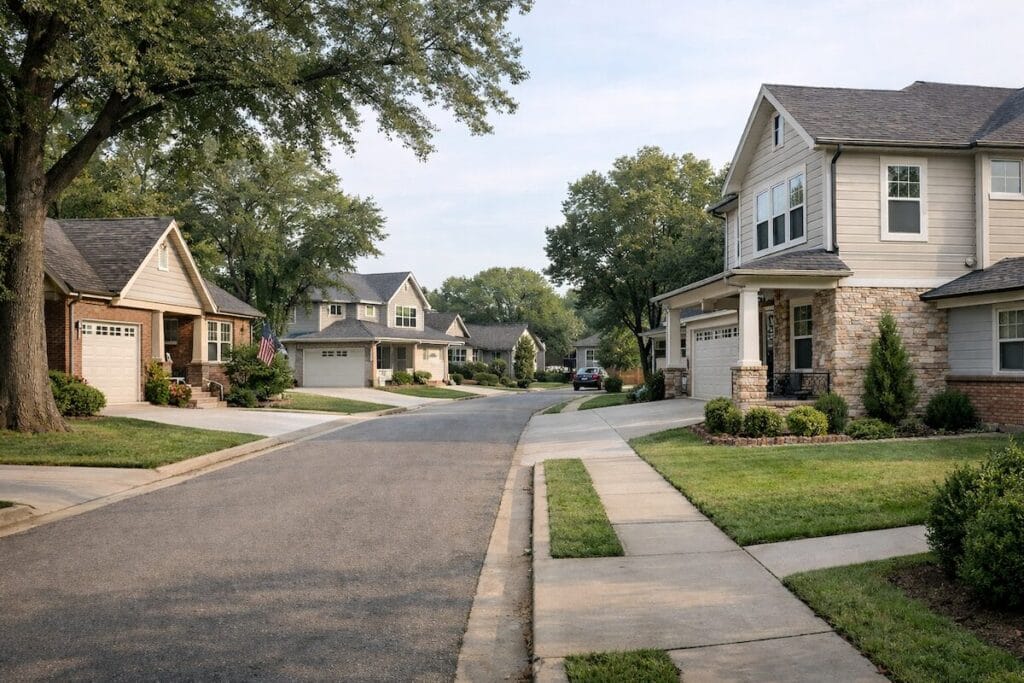
What It Means: Buying a Home Contingent on Selling in Tulsa

Why Sellers Hesitate on Contingent Offers
Sellers are not automatically opposed to contingent offers, but they are cautious for very specific reasons under the Oklahoma contract structure. When a buyer uses the Sale of Buyer’s Property Condition (Not Under Contract), the seller understands that the buyer’s home has not yet secured a contract. While the seller’s property remains on the market, the seller is still investing time and attention into a transaction that may not move forward.
Timing is a primary concern. If the buyer’s home does not go under contract within a reasonable period, the seller may lose momentum or miss other qualified buyers. This is especially relevant in Tulsa-area neighborhoods where homes may receive multiple showings early, such as parts of Broken Arrow, Owasso, or Jenks.
Sellers also evaluate market risk tied to the buyer’s property. A home that is overpriced, poorly presented, or located in a slower-moving area creates uncertainty. Even though the seller can continue to market their home, they are aware that a stalled buyer transaction can complicate planning for moving, purchasing another home, or meeting personal deadlines.
Another concern is the chain reaction that can occur when two transactions are linked. Inspection delays, appraisal issues, or financing problems on the buyer’s sale can affect the buyer’s ability to remove the contingency if a seller demand is issued. At that point, the seller must decide whether to continue waiting or accept another offer.
Understanding these concerns allows buyers to strengthen their position. Sellers are far more comfortable accepting a contingent offer when the buyer’s home is already listed, priced realistically, and supported by a clear plan. Preparation, transparency, and realistic timelines reduce uncertainty, making a contingent offer far more workable in the Tulsa market.
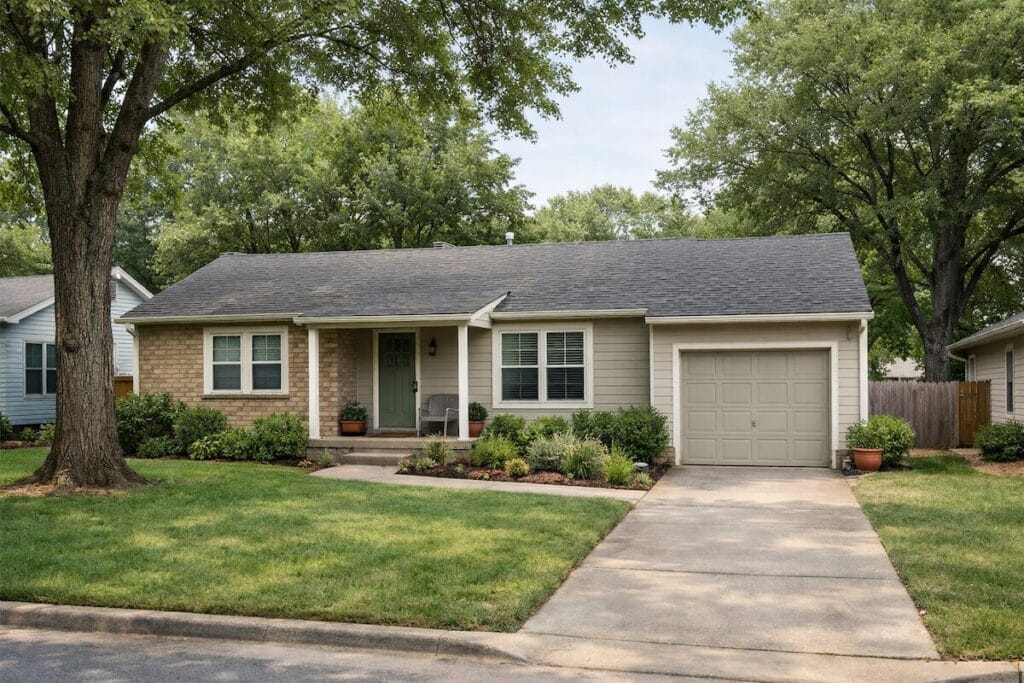
When a Contingent Offer Makes Sense for Move-Up Buyers
For move-up buyers, equity is often the key driver behind a contingent purchase. You may need the proceeds from your current home to fund your down payment or to qualify comfortably for the next loan. In this case, a sale contingency is not a weakness; it is a practical financial safeguard.
Many Tulsa move-up buyers assume they must sell first and move twice. While that approach works for some, it is not necessary for everyone. If your home is market-ready and priced correctly, a contingent purchase can allow you to move directly into your next home without temporary housing.
The strongest move-up contingent buyers usually have their current home fully prepared before making an offer. This includes staging, pre-listing inspections when appropriate, and pricing strategies based on recent local data. Sellers feel more comfortable when your home looks like it will sell quickly.
If you are navigating this transition, reviewing the Move-Up Buyer Guide can help you understand how equity, timing, and financing work together in Tulsa’s market.

Downsizing and Sale Contingencies: A Different Set of Priorities
Downsizers often have different concerns than move-up buyers. Instead of needing maximum leverage, many downsizers prioritize simplicity, predictability, and minimizing stress. Selling first can feel disruptive, but buying without selling can feel risky.
In Tulsa and surrounding suburbs, downsizers frequently own homes with substantial equity and little or no mortgage. Even so, tying up cash in two homes at once may not align with retirement planning or lifestyle goals. A contingent offer allows downsizers to control timing without rushing either decision.
Sellers may view downsizers as strong buyers when their current home is well-maintained and located in a desirable area. Clear communication about your selling plan can make a significant difference. Letting the seller know your home is already prepped or actively listed reduces uncertainty.
For homeowners exploring this transition, Downsizing in Tulsa offers additional context on timing, budgeting, and local market expectations.

How to Strengthen a Contingent Offer in Tulsa
A contingent offer need not feel weak when structured with intention and awareness of Oklahoma contract terms. In many Tulsa-area transactions, a well-prepared contingent buyer is viewed more favorably than a buyer who appears uncertain or unprepared. The strength of the offer comes from reducing unknowns and showing the seller that the buyer has a realistic path forward.
One of the most effective ways to strengthen a contingent offer is to have your home listed before submitting an offer. When a buyer uses the Sale of Buyer’s Property Condition but has already placed their home on the market, it demonstrates commitment and urgency. Sellers are far more comfortable when they can see that the buyer is actively working toward removing the contingency rather than planning to start later.
Pricing strategy plays a major role in how sellers evaluate risk. A home priced in line with recent Tulsa-area sales signals that the buyer understands current market conditions and is not relying on an optimistic outcome. Overpriced listings raise concerns because they increase the likelihood that the buyer may be unable to remove the contingency if a seller demand is issued.
Clear timelines also matter under Oklahoma contracts. Sellers know that if another acceptable offer is received, they may issue a demand requiring the buyer to remove the contingency within a defined timeframe. Buyers who establish realistic expectations, respond quickly, and plan ahead are far more likely to succeed than those relying on vague or open-ended timelines.

The Role of Market Conditions in Contingent Offers
Market conditions influence how contingent offers are received. In slower markets, sellers are often more flexible because they have fewer competing offers. In tighter markets, sellers may still accept contingencies if the overall offer is strong.
Tulsa’s market varies by neighborhood and price point. Entry-level homes may see more competition, while higher-priced or unique properties may offer more flexibility. Understanding hyper-local trends is more useful than relying on broad headlines.
Sellers also pay attention to buyer preparedness. Pre-approval strength, clean financing terms, and solid earnest money can offset a contingency. This is where preparation matters more than market timing alone.
If you want a broader view of current conditions, Tulsa Housing Market & Cost of Living provides context that can inform your strategy.
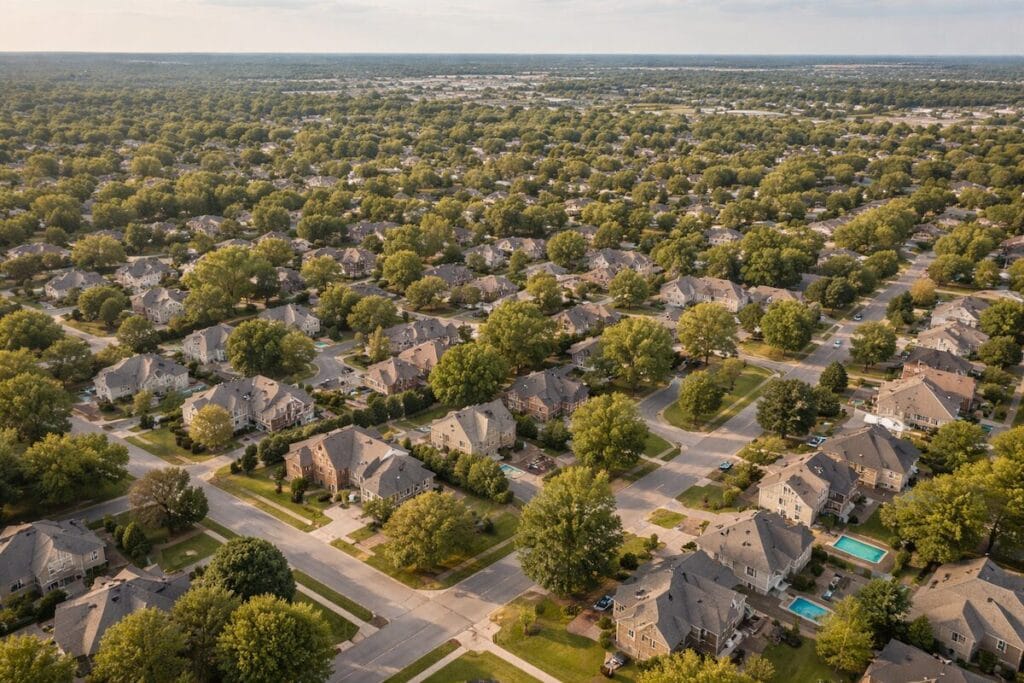
Common Misconceptions About Buying Contingent on Selling
One of the most common misconceptions is that sellers never accept contingent offers. In reality, they do all the time, especially when the contingency is reasonable and the buyer is prepared. The issue is not the contingency itself but how it is structured.
Another myth is that selling first is always safer. While selling first removes one variable, it can introduce others, such as temporary housing, storage costs, and pressure to buy quickly. A contingent purchase can actually reduce overall stress when planned carefully.
Some buyers also assume they cannot negotiate terms when buying contingent. That is not true. While flexibility helps, you can still negotiate inspections, timelines, and other terms depending on the situation.
Understanding these misconceptions helps buyers make decisions based on facts rather than fear. A thoughtful approach often leads to smoother transactions for everyone involved.

Coordinating the Sale and Purchase Timeline

Financing Considerations for Contingent Buyers
Financing plays a major role in contingent purchases. Lenders will evaluate whether your new loan depends on the sale of your current home and the amount of equity required. Pre-approval that reflects realistic scenarios strengthens your position.
Some buyers explore bridge loans or temporary financing, but these options come with added costs and risk. A sale contingency can often be a more conservative alternative. Understanding how your lender views contingencies helps you plan strategically.
It is also important to understand how appraisals and underwriting timelines interact with contingencies. Delays on one side can affect the other, so conservative planning helps avoid surprises.

Should You Sell First or Buy First?
There is no universal answer to whether you should sell first or buy first. The right approach depends on your finances, risk tolerance, and local market conditions. Some buyers prefer certainty, while others prioritize convenience.
Selling first provides clarity but may require temporary housing. Buying first offers continuity but increases financial exposure. A contingent purchase sits between these options, balancing protection and flexibility.
In Tulsa’s market, many homeowners successfully coordinate both transactions without extreme measures. The key is understanding your priorities and building a plan that aligns with them rather than following generic advice.
Frequently Asked Questions
Is buying a home contingent on selling common in Tulsa?
Yes, contingent purchases are common in Tulsa, especially among move-up buyers and downsizers. While not every seller will accept them, many do when the buyer’s home is well-prepared and priced correctly. The structure of the contingency matters more than its existence.
Will a seller automatically reject my offer if it is contingent?
No, sellers evaluate the entire offer, not just the contingency. Price, timing, financing strength, and your current home’s marketability all play a role. A clean, well-supported contingent offer can still be competitive.
Should my home be listed before I make a contingent offer?
Listing your home first significantly strengthens your position. Sellers are more comfortable when they can see active interest in your property. In some cases, being under contract is even better.
Can I negotiate terms if my offer is contingent?
Yes, though flexibility helps. You may need to prioritize certain terms over others. Clear communication and realistic expectations often lead to smoother negotiations.
Is a contingency riskier in a competitive market?
It can be, but risk depends on preparation. In competitive areas, strong pricing, solid financing, and clear timelines become even more important. A well-planned contingent offer can still succeed.
Conclusion
Buying a home contingent on selling yours is not a flaw in your strategy; it reflects thoughtful planning. When done correctly, it allows you to protect your finances, avoid unnecessary stress, and move forward with confidence. In Tulsa and surrounding suburbs, these transactions happen every day when buyers understand how to reduce uncertainty and communicate clearly.
If you are considering this approach, a clear plan tailored to your situation makes all the difference. Schedule a low-pressure planning call to discuss timing, equity, and next steps, so you can move forward with clarity rather than guesswork.