
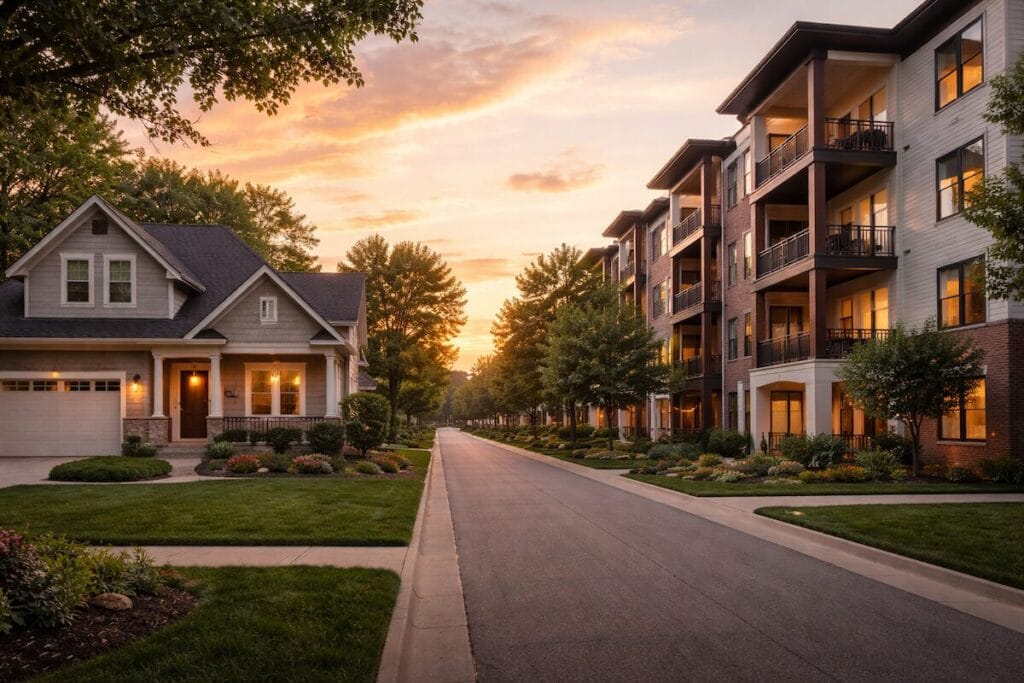
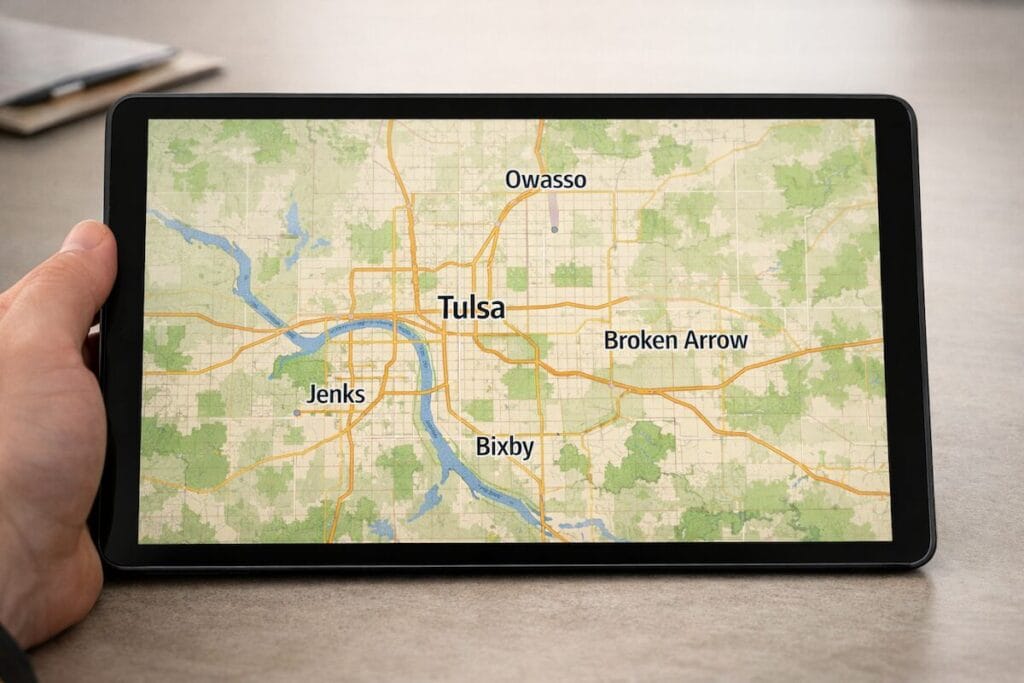
Deciding whether to buy or rent in Tulsa is one of the biggest financial questions first-time buyers face. If you are currently renting in the Tulsa metro area and wondering whether homeownership makes more sense, you are not alone. Many renters in Tulsa, Broken Arrow, Bixby, Jenks, and Owasso are asking the same thing. Monthly rent has increased over time, while home prices have risen as well. The real question is not just about today’s payment. It is about long-term stability, equity, and how long you plan to stay.
When people search for “buy or rent in Tulsa,” they often want a simple yes-or-no answer. Unfortunately, the answer depends on several factors. Your timeline matters. Your savings matter. Your job stability and comfort with maintenance matter. The good news is that Tulsa remains one of the more affordable metro areas in the country, which makes homeownership realistic for many first-time buyers who assume it is out of reach.
This guide will walk you through the real costs of renting versus buying in Tulsa. We will look at monthly payments, upfront expenses, long-term wealth building, and lifestyle considerations. The goal is not to push you toward one decision. The goal is to help you think clearly and make a smart choice for your situation. If you want a step-by-step overview of the buying process, you can also review the First-Time Homebuyer Guide for additional context.
Understanding the Real Cost of Renting in Tulsa
Renting can feel simpler. You pay one monthly amount, and the landlord handles repairs and maintenance. That simplicity is appealing, especially for first-time buyers who are nervous about unexpected expenses. In the Tulsa metro area, rental prices vary depending on location, property type, and size. Apartments in midtown Tulsa may differ significantly from single-family rental homes in South Tulsa or Bixby.
However, the true cost of renting goes beyond the monthly rent payment. Renters often pay renters’ insurance, utilities that may have previously been included, and application or renewal fees. Over time, rent increases can significantly impact your budget. Even modest annual increases add up over five to ten years.
Another important factor is the lack of equity. When you rent, you pay for housing but do not build ownership in the property. That does not make renting wrong, but it does mean your monthly payments are not creating long-term value. For someone who plans to stay in the Tulsa metro area for several years, this is an important consideration.
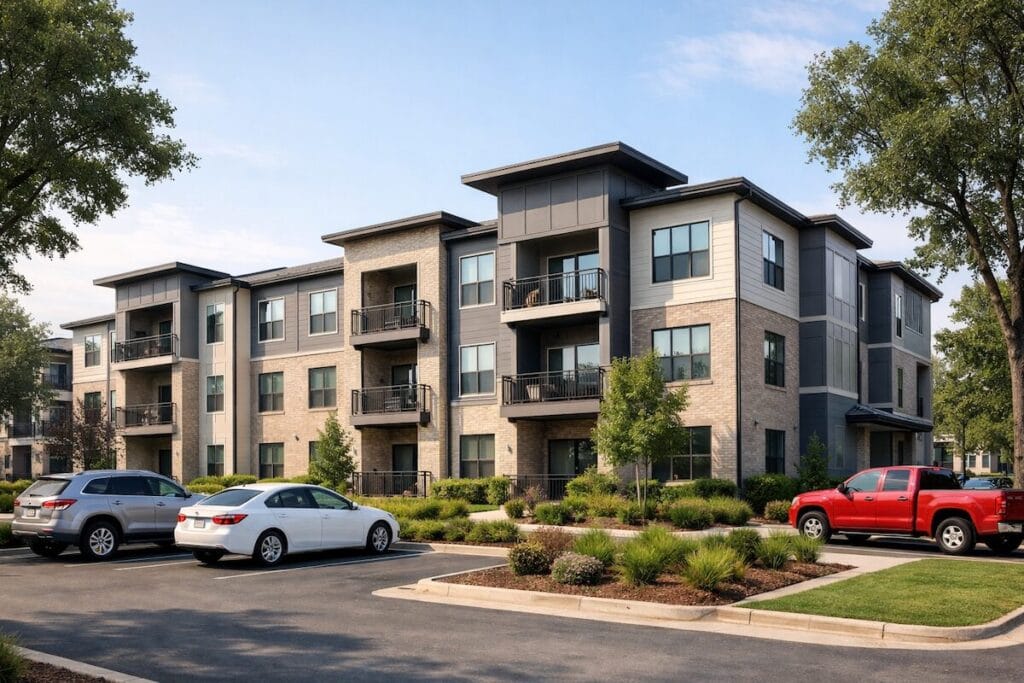
Renting also offers flexibility. If you are unsure about your job, your relationship status, or where you want to live long term, renting can provide breathing room. Many first-time buyers are in transition seasons of life, and flexibility can be valuable. The key is weighing flexibility against long-term financial opportunity.
What It Really Costs to Buy a Home in Tulsa
When comparing renting versus buying a home in Tulsa, most people focus on the mortgage payment. That is important, but it is only one part of the picture. A monthly mortgage payment typically includes principal and interest. In addition, homeowners pay property taxes and homeowner’s insurance. If the property is in a neighborhood with a homeowners’ association, there may be HOA dues as well.
Upfront costs also matter. Buyers usually need a down payment and closing costs. The amount varies depending on the loan type. Some buyers qualify for low-down-payment programs, such as FHA or conventional loans with as little as 3 percent down. You can review basic program requirements for educational purposes through official sources such as FHA loan guidelines.
Tulsa’s overall home prices remain more accessible than those of many larger cities. That affordability means the gap between rent and mortgage payments is often smaller than buyers expect. In some cases, the monthly payment on a starter home is comparable to rent on a similar property.
Homeownership also comes with maintenance responsibilities. You will eventually replace a roof, repair appliances, or handle plumbing issues. Planning for maintenance is part of responsible homeownership. A common rule of thumb is to set aside a percentage of the home’s value each year for repairs. This does not mean you will spend it all every year, but it helps you prepare for future needs.
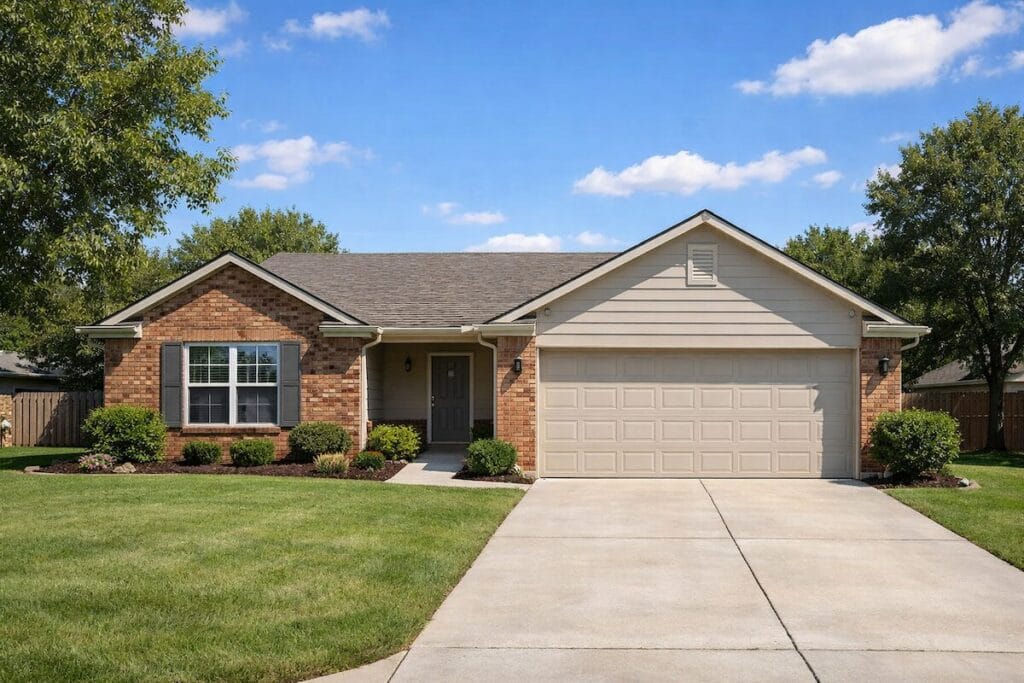
If you want to explore what homes are currently available at different price points, you can start your Tulsa home search and compare active listings in various parts of the metro area.
Can You Use Your Tax Refund to Buy a House in Tulsa?
Many first-time buyers in the Tulsa metro area ask whether they can use their tax refund for a down payment. The short answer is yes, in many cases, you can. A tax refund is typically considered an acceptable source of funds as long as it is properly documented and deposited into your bank account. For renters who feel close to being ready, a refund can sometimes bridge the gap between continuing to rent and moving forward with a purchase.
Lenders generally require that any funds used for a down payment be traceable. That means your refund should be deposited into your account, and you should be able to provide documentation such as your filed tax return and proof of deposit. Requirements vary slightly depending on the loan program, but the principle is the same: the funds must be verified. A lender can walk you through exactly what documentation is needed before you begin house hunting.
In practical terms, a tax refund can meaningfully reduce the amount of cash you need to save. For example, if you are purchasing a $240,000 home with 3.5 percent down, the down payment would be $8,400. If you receive a $4,000 to $6,000 refund, that covers a significant portion of the required funds. Combined with personal savings or negotiated seller concessions, that refund can significantly shorten your timeline.
It is important to understand that a tax refund does not replace qualification requirements. You still need sufficient income, acceptable credit, and a manageable debt-to-income ratio. However, many renters underestimate how close they already are to qualifying. Reviewing your full financial picture can provide clarity on whether buying is realistic now or if it simply needs a few more months of preparation.
There is also a strategic element to timing. Some buyers plan ahead and earmark their expected refund specifically for housing goals. Instead of treating it as extra spending money, they intentionally apply it toward a down payment or closing costs. In deciding whether to buy or rent in Tulsa, this approach can shift the numbers in favor of ownership sooner than expected.
At the same time, it is wise to maintain an emergency reserve after closing. Homeownership requires maintenance and repairs, so having savings beyond the down payment builds confidence. If you are expecting a refund and wondering how it might affect your timeline,
A Simple Tulsa Buy vs Rent Comparison
To make this easier to understand, let’s look at a simplified example. These are round numbers for illustration only and not tied to specific interest rates.
5-Year Comparison (Tulsa Metro Example)
| Scenario | Renting | Buying |
|---|---|---|
| Starting Monthly Payment | $1,400 | $1,550 |
| Annual Increase | 3% | Fixed principal & interest |
| 5-Year Total Paid | ~$89,200 | ~$93,000 |
| Home Value After 5 Years | $0 | ~$271,500 |
| Estimated Principal Paid | $0 | ~$19,000 |
| Total Estimated Equity After 5 Years | $0 | ~$62,500* |
In this example, the monthly cost is slightly higher. Over five years, the homeowner has paid more in total housing expenses. However, part of the mortgage payment goes toward principal, which builds equity. If the home increases in value during that time, the owner may gain additional equity through appreciation.
Renting costs less monthly in this example, but after five years, the renter has no ownership stake. The homeowner, on the other hand, may have tens of thousands of dollars in equity, depending on the loan structure and market conditions.
The break-even point is important. If you plan to move within two or three years, renting may make more financial sense. If you expect to stay for five to seven years or longer, buying can often be more attractive in the long term. Tulsa’s relatively stable housing market supports longer-term ownership decisions, especially for buyers committed to the area.
Tulsa-Specific Factors That Influence the Decision
The Tulsa housing market has unique characteristics. Compared to many metro areas nationwide, Tulsa offers lower median home prices and a reasonable cost of living. You can review broader cost considerations on the Tulsa Housing Market & Cost of Living for a more detailed overview of local trends.
One advantage of buying in Tulsa is the variety of neighborhoods. First-time buyers can find options ranging from midtown homes with character to newer construction in Bixby or Owasso. Different price points create flexibility. In some metro areas, starter homes are extremely limited. In Tulsa, they are still attainable in many neighborhoods.
Employment stability also plays a role. If you work in a stable industry and plan to remain in the Tulsa metro area, homeownership becomes more practical. On the other hand, if you anticipate relocating in the near future, renting can provide needed flexibility.
Another Tulsa-specific factor is property taxes. Oklahoma property taxes are generally lower than those in many states, making the monthly cost of ownership more manageable. This can narrow the gap between renting and buying compared to higher-tax markets.
Common Misconceptions About Renting vs Buying
One common misconception is that renting is “throwing money away.” That is not entirely accurate. Renting provides housing without maintenance responsibility. It also allows you to avoid market risk if property values decline in the short term. For some people, that tradeoff makes sense.
Another misconception is that you need a 20 percent down payment to buy. Many first-time buyers qualify for down payments as low as 3%. There are also state-level assistance programs that can help with down payment or closing costs. Researching these options can shift the math in favor of buying.
Some buyers also assume that homeownership is always cheaper. That is not true. If you move frequently, incur large repair costs early, or stretch your budget too thin, ownership can feel stressful. The goal is not just affordability on paper. The goal is financial stability and peace of mind.
If you are unsure which path makes sense, you can Schedule a low-pressure planning call to review your specific numbers and timeline.
Lifestyle Considerations: Stability vs Flexibility
Beyond dollars and cents, lifestyle matters. Homeownership offers stability. You are not subject to lease non-renewals or sudden rent increases. You can paint the walls, update the flooring, and personalize your space without asking for permission. For many first-time buyers in Tulsa, that sense of control is appealing.
Owning a home can also create emotional investment in a neighborhood. You may be more likely to build relationships, participate in community events, and feel rooted in your area. In suburbs like Jenks or Broken Arrow, many buyers appreciate long-term stability for school and family planning.
Renting, on the other hand, offers flexibility. If you receive a job offer in another city, you can move more easily. If you are not certain which part of the Tulsa metro fits your lifestyle, renting can buy you time to explore different neighborhoods before committing.
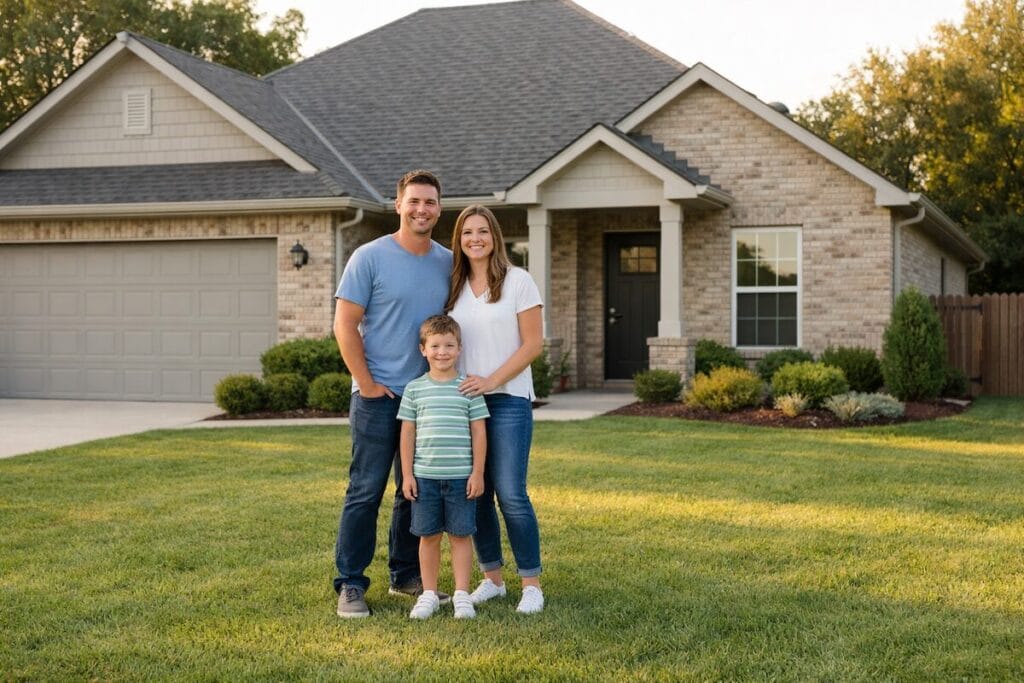
When deciding whether to buy or rent in Tulsa, ask yourself how long you realistically plan to stay. Your answer to that question often clarifies the financial decision.
Frequently Asked Questions
Is it cheaper to buy or rent in Tulsa right now?
The answer depends on your timeline and financial profile. In many Tulsa metro scenarios, the monthly mortgage payment is comparable to rent. Over the long term, buying may create equity that renting does not. However, if you plan to move within a few years, renting can be more practical. Evaluating both short-term affordability and long-term plans is essential.
Can I use my tax refund toward my down payment?
Yes, many buyers use their tax refund toward their down payment or closing costs. Lenders typically require that the funds be documented and deposited into your bank account before closing. A refund can significantly reduce the amount of additional savings you need, especially when combined with low down payment loan options. However, you should still maintain emergency reserves after purchasing to cover maintenance and unexpected expenses. Planning ahead before spending your refund can help you determine whether it meaningfully moves you closer to buying.
How much do I need for a down payment in Tulsa?
Down payment requirements vary by loan type. Some conventional loans allow as little as 3 percent down, while FHA loans often require 3.5 percent. There are also state assistance programs that may help qualified buyers. The total cash needed also includes closing costs, so it is important to review the full picture before deciding.
What credit score is needed to buy a home in Tulsa?
Minimum credit score requirements vary by loan program. FHA loans typically allow lower credit scores than conventional loans, though better scores may result in improved loan terms. Lenders evaluate income, debt-to-income ratio, and employment history in addition to credit score. A lender can provide a personalized pre-qualification review.
Does renting ever make more sense financially?
Yes, especially if you expect to relocate soon or prefer not to manage maintenance responsibilities. Renting can also make sense if you are rebuilding credit or saving for a larger down payment. The decision is not purely mathematical. It includes personal comfort and stability.
Final Thoughts: Making the Right Choice for You
Deciding whether to buy or rent in Tulsa is not about following a trend. It is about aligning your financial readiness, career plans, and lifestyle goals. Tulsa remains one of the more accessible housing markets in the country, which gives first-time buyers a real opportunity. At the same time, renting still serves a purpose for many people in transition seasons.
If you are leaning toward buying but unsure whether the numbers work, reviewing your options can bring clarity. Comparing rent to potential mortgage payments, estimating maintenance, and understanding available loan programs can turn uncertainty into a confident decision.
If you would like help reviewing your specific situation, Get the Tulsa first-time homebuyer guide to better understand the steps involved and determine whether now is the right time for you.
The right decision is the one that supports your stability, growth, and long-term goals in the Tulsa metro area.