
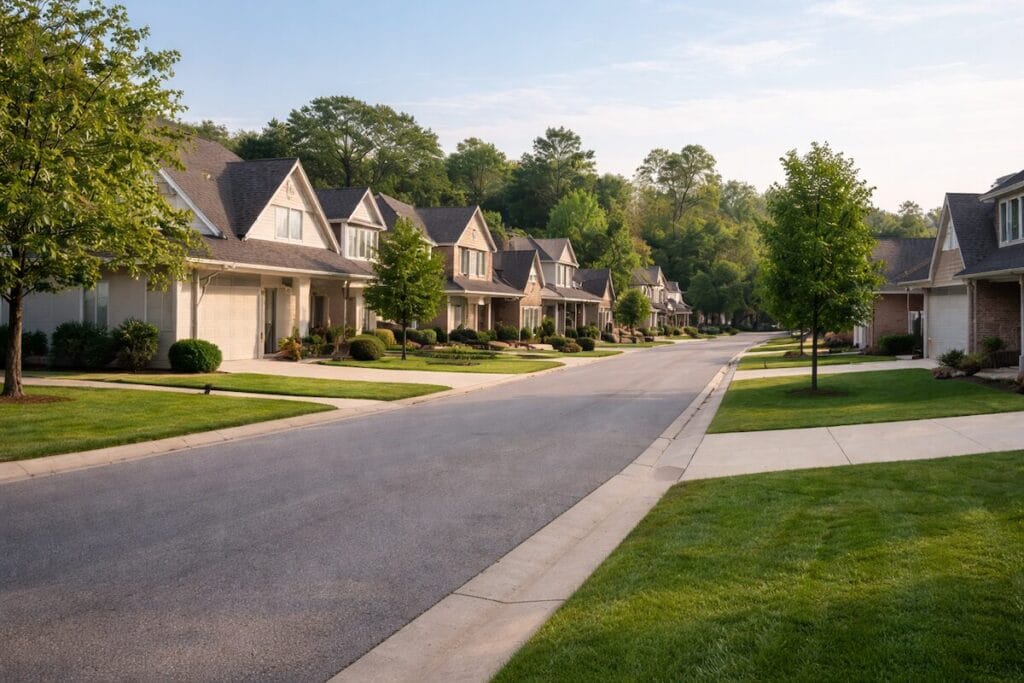
For many move-up buyers in Tulsa and the surrounding suburbs, the idea of buying a new home before selling the current one feels both appealing and risky. On one hand, it sounds ideal: find the right house, move once, and avoid feeling rushed. On the other hand, it raises real concerns about finances, timing, and what happens if things do not line up perfectly. These questions are especially common for homeowners in Broken Arrow, Bixby, Jenks, Owasso, and nearby areas where home values and competition can vary block by block. For many move-up buyers, the biggest question isn’t whether to move, but whether they can buy a home without selling first in Tulsa without taking on unnecessary risk.
If you are asking whether you can buy a home without selling first in Tulsa, you are not alone. This is one of the most common questions I hear from move-up buyers who are comfortable where they are but know their next home needs to look different. Maybe you need more space, fewer stairs, a better layout, or a different school district. What often stops people is not the desire to move, but uncertainty about how to manage two transactions at once.
The short answer is yes, it is possible to buy before you sell. The longer answer is that it depends on your equity, your financing options, your risk tolerance, and your local market conditions. Buying before selling can be a smart strategy in some situations and a stressful mistake in others. The key is understanding the “why” behind each option, not just the mechanics.
This article walks through realistic move-up buyer options in Tulsa, explains when buying before selling makes sense, and highlights the trade-offs you should think through before committing. The goal is not to push you into a decision, but to help you evaluate your situation clearly so you can move forward with confidence.

Why Buying Before Selling Is So Appealing to Move-Up Buyers
Buying before selling often feels like the cleanest solution for homeowners who want control over their move. Many move-up buyers have outgrown their current home emotionally before they are ready to list it. They want time to explore neighborhoods, compare layouts, and make thoughtful decisions without the pressure of a ticking clock. In Tulsa, where inventory can shift quickly, that flexibility can feel especially valuable.
Another reason this approach is appealing is the idea of moving only once. Selling first often means temporary housing, storage units, or staying with family. For buyers with kids, pets, or busy schedules, that disruption can feel overwhelming. Buying first allows you to transition directly from one home to the next, which feels more stable and predictable.
There is also a financial perception at play. Many homeowners assume their equity will cover the gap, especially if they have owned their home for several years. Rising values in many Tulsa-area neighborhoods have created situations where homeowners feel “equity rich,” even if that equity is not immediately accessible without selling. This leads to the question of whether that equity can be leveraged before the sale.
Finally, buying before selling can feel like a way to compete more effectively. Sellers tend to favor buyers without home-sale contingencies, especially in desirable areas. Move-up buyers sometimes believe buying first will make their offer stronger and improve their chances of securing the right home.
If you are unsure how much equity you actually have, start by checking your home’s value. Knowing this number is foundational before exploring any buy-first strategy.

The Financial Reality of Buying Before Selling
While buying before selling can sound simple, the financial side is where most plans either work or fall apart. The biggest issue is cash flow. Even if you have strong equity, lenders care about what your finances look like before the sale happens, not after. That means qualifying for a new mortgage while still carrying the old one.
Debt-to-income ratio plays a major role here. If your current mortgage payment and your proposed new payment together exceed lender limits, buying first may not be feasible without a specific financing strategy. This is where many move-up buyers are surprised. Strong income and equity do not always translate into easy approval for two mortgages.
Down payments are another consideration. Many buyers assume their down payment will come from the proceeds of their sale. Without selling first, that money is still tied up in the home. Unless you have substantial savings or access to equity through another method, this can limit your options or force you into less favorable loan terms.
Carrying costs also matter. Owning two homes at once means paying two mortgages, insurance policies, utilities, and maintenance expenses. Even short overlaps can add up quickly. Buyers need to be honest about how long they could comfortably manage this scenario if their home does not sell immediately.
This is why buying before selling works best when it is planned, not improvised. Understanding lender requirements early and mapping out worst-case scenarios is critical. A good starting point is reviewing broader Tulsa housing market & cost of living trends to understand pricing and time-on-market expectations.
Common Financing Options for Buying Before Selling
Several financing strategies can make buying before selling more realistic, but each comes with trade-offs. The right option depends on your equity, credit profile, and comfort with risk. Understanding these choices ahead of time helps avoid rushed decisions later.
A bridge loan is one common solution. This short-term loan allows you to borrow against your current home’s equity to fund a down payment on the new home. Bridge loans can work well in strong markets, but they often come with higher interest rates and fees. They are best used when you have high confidence your home will sell quickly.
Another option is a home equity line of credit, often called a HELOC. If set up before listing, a HELOC can provide flexible access to equity for a down payment. The challenge is timing. Once your home is listed, many lenders freeze or restrict access to these lines. Planning ahead is essential if this is the route you are considering.
Some buyers qualify to carry two mortgages temporarily. This works best for buyers with strong income, low existing debt, and conservative new purchase budgets. While this option avoids extra loan products, it requires discipline and a realistic understanding of how long dual payments might last.
There are also programs that allow you to make an offer without a home-sale contingency while still planning to sell shortly after. These programs vary widely and often involve fees or pricing adjustments. It is important to understand the fine print before relying on them.
If you want to explore your financing options in context, scheduling a low-pressure planning call can help clarify which strategies realistically apply to your situation.

When It Makes Sense to buy a home without selling first in Tulsa
Buying before selling can be a smart move in Tulsa under the right conditions. One key factor is demand for your current home. If you live in a neighborhood with strong buyer interest and predictable sales timelines, the risk of carrying two homes is lower. Homes that are priced correctly and well-maintained tend to move more quickly. In certain situations, buying before selling can be a smart move. For homeowners with strong equity and stable income, the ability to buy a home without selling first in Tulsa can create flexibility and reduce pressure during the search process.
Another factor is your equity position. Buyers with significant equity and access to cash reserves have more flexibility. This buffer allows you to handle short overlaps without stress and gives you options if the market shifts slightly during your transition.
Your purchase criteria also matter. Buyers who are flexible on timing, location, or specific features tend to do better buying first. If you are searching for a very specific type of home in a limited area, buying first may reduce pressure and help you avoid settling.
Finally, personal risk tolerance plays a role. Some buyers are comfortable with short-term uncertainty if it means long-term satisfaction. Others value certainty above all else. There is no right or wrong answer, but being honest about your comfort level helps guide the decision.
For many move-up buyers, the best approach is not choosing a side immediately but creating a plan that allows for both paths. Reviewing Move-Up Buyer Guide resources can help frame these decisions more clearly.
When Selling First Is the Smarter Choice
In some cases, selling first is still the more practical option. This is often true when equity is limited or when qualifying for two mortgages would stretch finances too thin. Selling first provides clarity and reduces financial risk, even if it requires temporary inconvenience.
Market conditions also matter. If inventory is high or buyer demand is uneven, selling first removes uncertainty. Knowing exactly what you have to work with financially allows you to shop confidently and avoid overextending yourself.
Lifestyle considerations can also tip the scale. Some buyers prefer the simplicity of one transaction at a time. Temporary housing may feel inconvenient, but it can provide breathing room and eliminate the stress of overlapping deadlines.
Selling first also creates stronger offers. Buyers without contingencies are often more attractive to sellers, especially in competitive segments. This can matter in popular Tulsa suburbs where desirable homes receive multiple offers.
If you are leaning toward this approach, reviewing Selling a Home in Tulsa can help you understand timelines and preparation steps so the process feels more manageable.
A Side-by-Side Look at Your Options
Sometimes it helps to compare approaches directly. The table below highlights key differences between buying before selling and selling first.
| Strategy | Key Advantage | Primary Risk |
|---|---|---|
| Buy Before Selling | More control over timing and choice | Carrying two homes financially |
| Sell Before Buying | Financial clarity and lower risk | Temporary housing or rushed buying |
This table simplifies the comparison, but it does not replace careful planning. Each option requires a deeper look at your specific circumstances, not just general pros and cons.
How Local Market Conditions Affect the Decision
Tulsa’s real estate market is not one-size-fits-all. Conditions in Broken Arrow can look very different from those in Midtown Tulsa or Owasso. Understanding local nuances helps buyers avoid assumptions based on headlines alone.
In areas with steady demand and balanced pricing, buying before selling can be less risky. In contrast, neighborhoods with slower turnover may require more caution. Seasonality also plays a role. Listing and buying timelines often shift throughout the year.
Interest rates and lending guidelines add another layer. Even small changes can affect affordability and qualification. Staying informed helps buyers understand how financing rules may impact their plans.
Local expertise matters here. A strategy that works in one Tulsa suburb may not translate well to another. Evaluating both your home and your target neighborhoods together leads to better decisions.
Frequently Asked Questions
Can I make an offer without a home-sale contingency in Tulsa?
Yes, it is possible to make an offer without a home-sale contingency, but it usually requires specific financing or strong cash reserves. Buyers often use bridge loans, HELOCs, or qualify to carry two mortgages temporarily. The benefit is a stronger offer, but the risk is financial strain if your home does not sell quickly. This approach works best with a clear plan and realistic expectations.
What happens if my home doesn’t sell right away?
If your home takes longer to sell, you may need to carry two properties longer than expected. This can increase monthly expenses and stress. Planning for this possibility ahead of time, including having reserves and pricing your home correctly, helps reduce risk. Understanding local average days on market is an important part of preparation.
Is buying before selling more expensive?
It can be. Additional loan fees, higher interest rates on short-term financing, and overlapping carrying costs all add up. However, for some buyers, the cost is worth the flexibility and reduced disruption. Comparing these costs to the inconvenience of temporary housing helps put the decision in perspective.
Should I talk to a lender before deciding?
Absolutely. A lender can help you understand what you qualify for and which options are realistic. This conversation should happen before you start touring homes seriously. Pairing lender input with local market insight leads to better outcomes.
Conclusion
Buying a home without selling first in Tulsa is possible, but it is not a one-size-fits-all solution. The right approach depends on your equity, finances, risk tolerance, and local market conditions. For some move-up buyers, buying first provides flexibility and control. For others, selling first offers clarity and peace of mind.
The most important step is not choosing a strategy quickly, but understanding why one option fits you better than another. Thoughtful planning reduces stress and helps you move forward with confidence, regardless of the path you choose.
If you want help mapping out your next step, schedule a low-pressure planning call.
Share this post: on Twitter on Facebook