

Buying a newly built home can feel exciting, straightforward, and even safer than purchasing an older resale property. Many buyers assume that because everything is brand new, the process must be simpler, more standardized, and less risky. In reality, builder contracts in Tulsa often work very differently than traditional real estate contracts, and those differences can catch buyers off guard if they are not prepared.
One of the biggest misconceptions buyers have is that builder contracts are “standard” or closely aligned with the Oklahoma residential sales contract used in resale transactions. They are not. Builder contracts are custom documents written by the builder’s legal team, designed primarily to protect the builder’s interests. That does not mean builders are dishonest or unethical, but it does mean the contract language is not neutral.
In Tulsa and nearby suburbs like Broken Arrow, Bixby, Jenks, and Owasso, new construction is popular with first-time buyers, move-up buyers, and downsizers alike. Many buyers walk into a model home believing they are simply choosing a floor plan, selecting finishes, and waiting for keys. The legal and financial commitments embedded in the contract are often overlooked until a problem arises.
Another common issue is timing. Builder contracts frequently give the builder broad flexibility on construction timelines while placing strict deadlines on buyers for financing, selections, and payments. Buyers may not realize how much risk they are assuming if delays occur or circumstances change. This is especially important in Tulsa, where job changes, interest rate shifts, or family needs can arise during a long build period.
This guide is designed to help buyers understand what they often miss in builder contracts in Tulsa, why those details matter, and how to protect themselves before signing. Whether you are buying your first home, moving up, or downsizing into a brand-new patio home, understanding the contract is just as important as loving the layout. If you are in the early stages of buying a home in Tulsa, having this information upfront can help you avoid costly surprises later.
Builder Contracts Are Not the Same as Standard Oklahoma Real Estate Contracts
Many buyers assume all real estate contracts are essentially the same, regardless of whether they are buying a resale home or new construction. In Tulsa, resale transactions typically use a standardized Oklahoma Real Estate Commission contract that balances buyer and seller responsibilities. Builder contracts do not follow that format.
Builder contracts are drafted by the builder or their attorney, and the language is often far more restrictive. These agreements commonly favor the builder when it comes to timelines, remedies, and termination rights. Buyers are usually given fewer options if something goes wrong during the process.
One major difference involves how defaults are handled. In resale transactions, buyers typically have inspection periods, financing contingencies, and defined exit paths. Builder contracts may significantly limit a buyer’s ability to terminate, even if circumstances change. In some cases, buyers are surprised to learn how easily they could lose earnest money or construction deposits.
Another key difference is dispute resolution. Many builder contracts require arbitration rather than allowing disputes to be handled in court. Buyers may not realize they are giving up certain legal rights when they sign. You can review the standard Oklahoma residential sales contract structure through the Oklahoma Real Estate Commission to better understand how resale protections differ from builder-written agreements.
Because builder contracts in Tulsa are not standardized, buyers should never assume protections exist just because they are common in resale deals. Understanding this difference early helps buyers approach new construction with realistic expectations.

Financing Clauses Are Often Limited or Missing Entirely
One of the most significant risks buyers overlook in new construction contracts in Tulsa is the lack of a strong financing contingency. Many builder contracts either limit financing protections or exclude them entirely. Buyers are often expected to secure financing regardless of market changes or lending conditions.
Some builder contracts include no financing clause at all. Others require buyers to meet very specific deadlines or use a preferred lender. If financing falls through after those deadlines, the buyer may still be considered in default and risk losing their deposit.
This matters because new construction timelines can stretch for months. During that time, interest rates can rise, lending guidelines can tighten, or personal financial situations can change. Without proper financing protections, buyers may be forced to accept unfavorable loan terms just to avoid breaching the contract. The Consumer Financial Protection Bureau explains how financing contingency protections work in traditional transactions and why they matter for buyers.
In Tulsa’s new construction market, builders often offer incentives tied to using their preferred lender. While these incentives can be appealing, buyers should understand how those incentives may limit flexibility later. The lowest upfront cost is not always the lowest long-term cost.
For first-time buyers especially, understanding financing risk is critical. Reviewing a first-time homebuyer guide for Tulsa can help buyers understand how financing works in both resale and new construction scenarios before committing to a builder contract.
Construction Timelines Favor the Builder, Not the Buyer
Buyers often focus on an estimated completion date when reviewing builder contracts, assuming it represents a firm commitment. In reality, builder contracts almost always give the builder broad authority to extend construction timelines. Delays are typically allowed for weather, labor shortages, material availability, or other factors beyond the builder’s control.
These delay clauses are often written very broadly. While builders may act in good faith, the contract usually protects them from penalties if construction takes longer than expected. Buyers, however, are still bound to their obligations during those delays.
This can create real-life challenges. Buyers may need temporary housing, extended leases, or storage for their belongings. These costs are rarely addressed in the contract and are usually the buyer’s responsibility. For buyers relocating or coordinating a home sale, delays can quickly become expensive.
Understanding how construction timelines affect moving logistics is especially important when considering moving timelines in Tulsa and nearby suburbs. Buyers who have little flexibility may want to explore whether inventory or resale homes are a better fit. If timing is a concern, it can be helpful to talk through timing scenarios by scheduling a conversation before signing a long-term build contract.
Change Orders, Upgrades, and Price Adjustments Add Up Quickly
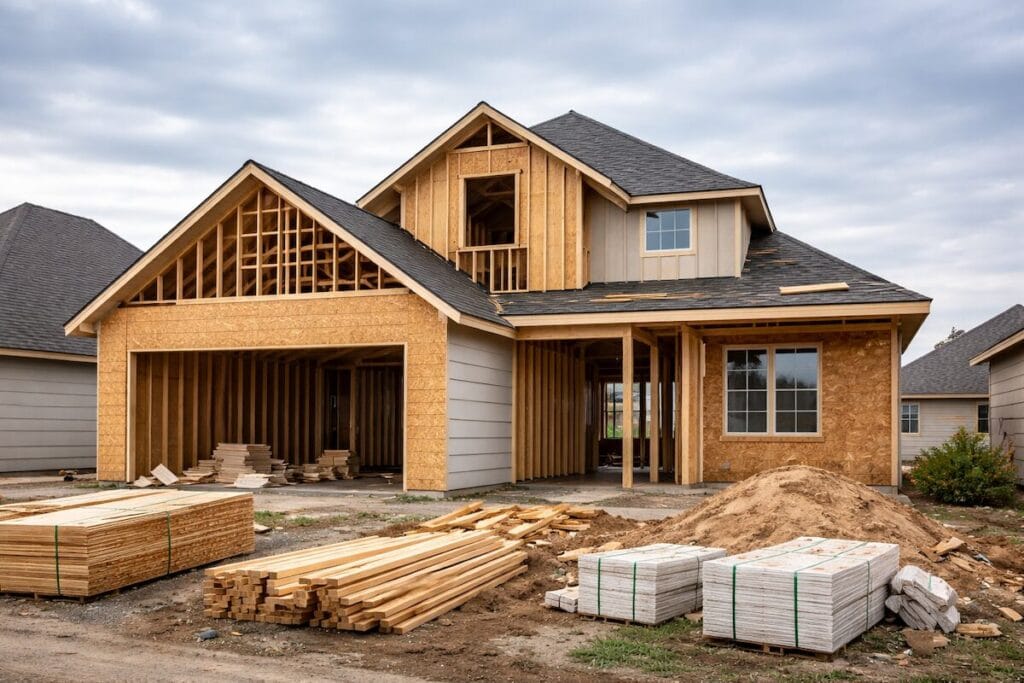
One of the most appealing aspects of new construction is customization. Buyers enjoy selecting finishes, layouts, and upgrades that reflect their preferences. What is often overlooked is how upgrades are handled contractually and how quickly costs can add up.
Upgrade pricing is typically outlined in a separate design agreement rather than the main contract. Many upgrades are non-refundable once ordered, even if the buyer later decides not to proceed with the purchase. Buyers are sometimes surprised by how small changes can significantly increase the final price.
Some builder contracts also allow for price adjustments if material costs increase. While this is less common than during recent market volatility, it still appears in some agreements. Buyers should understand whether their purchase price is truly fixed or subject to change.
It is also important to consider resale value. Not all upgrades add equal long-term value. Understanding how upgrades affect long-term value can help buyers prioritize selections that make sense financially, not just aesthetically.
Inspection Rights Are Often Limited Compared to Resale Homes
Many buyers assume inspections work the same way in new construction as they do in resale purchases. Builder contracts often limit inspection rights and buyer remedies. While inspections may be allowed, the contract usually controls what happens if issues are discovered.
Some builder contracts allow inspections only at certain stages or only after completion. Others specify that the builder has the right to repair issues at their discretion. Buyers may not be able to negotiate repairs or request credits as they would in a resale transaction.
It is also important to understand that code compliance does not guarantee quality workmanship. A home can meet local building codes while still having issues that affect long-term durability. The Department of Housing and Urban Development provides guidance on new construction inspection standards, which can help buyers understand what inspections typically cover.
For buyers thinking long-term, learning about long-term maintenance considerations can help set realistic expectations about ownership costs, even with a brand-new home.

Builder Contracts Often Limit Buyer Remedies and Exit Options
One of the most important sections of a builder contract outlines what happens if the deal falls apart. Buyers are often surprised by how limited their options can be compared to resale transactions.
If a buyer defaults, the builder may be entitled to retain earnest money, construction deposits, and upgrade costs. These amounts can be substantial, especially on higher-priced homes. Some contracts also allow builders to seek additional damages.
If the builder defaults, buyer remedies are often limited to refunds or extended timelines. Buyers may not have the right to force completion or seek compensation for related expenses. Arbitration clauses may further limit legal options.
These limitations can have future resale implications, particularly if buyers feel forced to proceed under unfavorable conditions. Understanding exit options before signing is essential to making a confident decision.
Using a Buyer’s Agent in New Construction Is Still Important
A common misconception is that buyers do not need representation when purchasing new construction. Builders have on-site sales representatives who are knowledgeable and friendly, but they work for the builder, not the buyer.
A buyer’s agent helps review Tulsa home builder agreements, explain contract language, and identify potential risks. While builders may not change every term, having guidance helps buyers understand what they are agreeing to and where clarity is needed.
Representation also provides valuable market context. Comparing new construction pricing to resale options helps buyers understand whether incentives truly offset costs. This perspective is especially helpful for those working with a buyer’s agent in Tulsa while navigating complex decisions.
If you are considering new construction, it can be helpful to review a builder contract before signing by scheduling a conversation early in the process.

How Tulsa’s Market Conditions Affect Builder Contracts
Market conditions play a significant role in how builder contracts are structured and enforced. In strong seller’s markets, builders tend to be less flexible. In more balanced markets, buyers may have slightly more leverage.
In Tulsa and surrounding suburbs, inventory levels and demand vary by location and price point. Entry-level and move-up new construction often sees the most competition, which can affect contract flexibility.
Understanding current Tulsa housing market conditions helps buyers decide whether new construction or resale is the better option. Staying informed allows buyers to make decisions that align with both financial and lifestyle goals.
Frequently Asked Questions About Builder Contracts in Tulsa
Do builder contracts in Tulsa allow buyers to negotiate terms?
Builder contracts are typically not fully negotiable, but some terms may be clarified or adjusted depending on the builder and market conditions. Buyers should not assume negotiation is impossible, but they should be realistic about expectations.
Is earnest money refundable on a new construction home?
Refundability depends entirely on the contract language. Many builder contracts specify that earnest money becomes non-refundable quickly, sometimes immediately after signing.
Should I get an inspection on a new construction home?
Yes, many buyers still choose independent inspections. While remedies may be limited, inspections help identify issues early and ensure repairs are addressed when possible.
What happens if my loan is denied after signing?
If the contract lacks a financing contingency, buyers may still be obligated to proceed or risk losing their deposit. This is why financing terms deserve careful review.
Are builder incentives worth it?
Incentives can be valuable, but they should be evaluated in context. Buyers should compare incentives against long-term costs and flexibility before deciding.
Conclusion: Protecting Yourself Before You Sign
Builder contracts in Tulsa are detailed legal agreements that deserve careful attention. While new construction offers many benefits, the contract structure often places more risk on buyers than they expect. Understanding these risks before signing allows buyers to make informed, confident decisions.
Reviewing financing terms, timelines, inspection rights, and exit options helps prevent costly surprises later. If you have questions or want clarity before committing, you can always reach out with questions before signing to discuss your options in a low-pressure way.
The right home should feel exciting, not stressful. With the right information and guidance, buyers can move forward confidently and avoid the pitfalls many never see coming.