
Quick Answer: Downsizing vs right-sizing Tulsa comes down to one question: are you shrinking your life or matching your home to the one you actually want next? Right-sizing trades square footage you don’t use for space you do, guest rooms, lower upkeep, a home that still works for holidays. The real decision is not size, it’s fit.
Introduction
Downsizing vs right-sizing Tulsa is a question more homeowners are asking as the kids move out and the house starts to feel like more work than home. If you’re a longtime Tulsa homeowner with a paid-down mortgage and more bedrooms than people, you’ve probably had this conversation with yourself more than once. You say the house is too much to keep up. What you might not say out loud is that you’re not sure you’re ready to let go of the place where everyone still gathers.
That hesitation is normal, and it’s not a sign you’re making the wrong decision. It’s a sign you’re taking it seriously. Most content on downsizing skips straight to logistics: how to sell, how to pack, how to price your home. It treats the decision like it’s already made. But for many homeowners in Midtown, South Tulsa, and the surrounding suburbs, the decision isn’t made yet, and it shouldn’t be rushed just because the house feels big some days.
This is where the word “downsizing” works against you. It implies loss, retreat, doing less with less. Right-sizing is a more accurate word for what most people in this situation are actually looking for: a home that matches the life they want next, not a smaller version of the life they’re leaving behind. That could mean less yard work and a guest room that still works for the grandkids. It could also mean staying exactly where you are, or in some cases, moving into more space to host family more often.
This post walks through both sides honestly. You’ll see what right-sizing typically looks like in the Tulsa market, what it can free up financially, and how to tell whether you’re actually ready or whether staying put still makes more sense right now.
At a Glance
- Right-sizing means matching your home to your next chapter, not simply reducing square footage
- Most hesitation around this decision is emotional first, financial second
- A right-sized home can still include a guest room and space to host holidays
- Selling a paid-down or low-mortgage home in Tulsa can free up meaningful equity
- Not everyone in this stage of life should downsize; some should stay, some should upsize
- Timing should be led by your readiness, not market pressure or a calendar deadline
- Lock-and-leave homes in Jenks, Broken Arrow, and Bixby are popular right-size options for Tulsa empty nesters
What’s the Real Difference Between Downsizing and Right-Sizing in Tulsa?
Downsizing describes a reduction. Right-sizing describes a match. That distinction matters more than it sounds, because the word you use shapes how you evaluate the decision.
When homeowners frame this as downsizing, they tend to measure the move by what they’re losing: square footage, storage, the yard the grandkids play in, the kitchen where every holiday happened. That framing puts the homeowner in a defensive position before they’ve even looked at a single listing. It’s no surprise so many Tulsa homeowners stall out here, sometimes for years, even when the current house is clearly more than they want to manage.
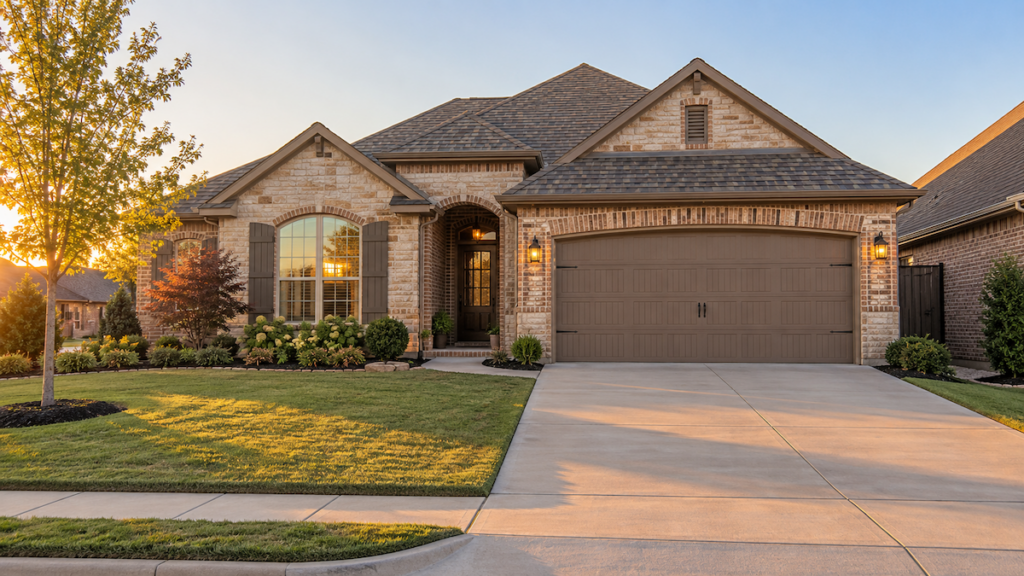
Right-sizing asks a different question: what does the next stage of your life actually require, and what does your current home no longer give you? For a lot of Midtown and South Tulsa homeowners, that means trading a quarter-acre lot and a two-story floor plan for a single-level home with a smaller yard, sometimes a lock-and-leave property in Jenks or Broken Arrow that’s easier to leave for a month at a time without worrying about it.
Right-sizing is the process of matching your home’s size, layout, and location to your current and near-future lifestyle, rather than defaulting to your smallest option. It’s not about how few square feet you can live in. It’s about which square feet actually serve you.
Why Do So Many Tulsa Empty Nesters Hesitate to Make This Move?
Most hesitation isn’t about the market; it’s about identity and timing. The house you raised your kids in carries more weight than square footage.
If you’ve lived in the same Midtown or South Tulsa home for fifteen, twenty, thirty years, that house holds a version of your life that’s hard to separate from the walls themselves. Selling it can feel less like a real estate transaction and more like closing a chapter you’re not fully ready to close. That’s a legitimate feeling, and pretending it isn’t there just makes people more likely to avoid the decision entirely instead of making a clear-eyed one.
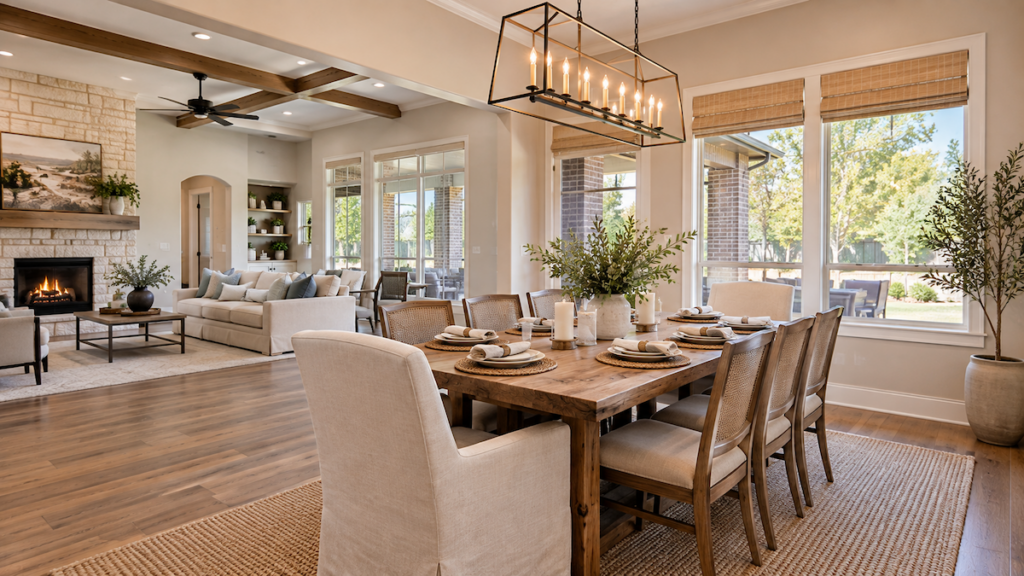
The second big hesitation is space for family. Homeowners worry that a smaller home means Thanksgiving gets awkward, or the grandkids don’t have anywhere to sleep when they visit. This fear is usually based on an outdated picture of what a right-sized home looks like. Plenty of right-sized homes in the Tulsa metro still include a guest bedroom, an open living and dining area that comfortably seats a full table, and enough flexibility to host without the upkeep of a home built for a family of five.
The third hesitation is pace. Many people feel like once they start the conversation, they’re on a track toward listing the house next month. That’s not how this should work. A right-sizing decision made under pressure, whether from family, a real estate agent, or a general sense that it’s “time,” tends to produce regret. A right-sizing decision made on your own timeline tends to produce relief.
Consider downloading the Feeling Stuck About Moving guide
What Does a Right-Sized Home in the Tulsa Metro Actually Offer?
A right-sized home is built around lower maintenance and higher usability, not smaller living. The goal is a floor plan that works harder for the space it has.
In the Tulsa market, right-sizing often means moving from a two-story, four-bedroom home on a large lot to a single-level three-bedroom with an open layout, a smaller but manageable yard, and fewer systems to maintain, less roof, less HVAC square footage, less lawn. That third bedroom typically becomes the guest room, so family visits and holiday hosting don’t disappear, they just happen in a home that doesn’t require a full weekend of yard work to maintain.
Lock-and-leave communities in Bixby and Owasso have become popular right-size destinations for this exact reason. Many of these homes are newer construction with lower near-term maintenance needs, and HOA-managed exteriors mean less physical upkeep for homeowners who want to travel or simply stop spending weekends on the mower.
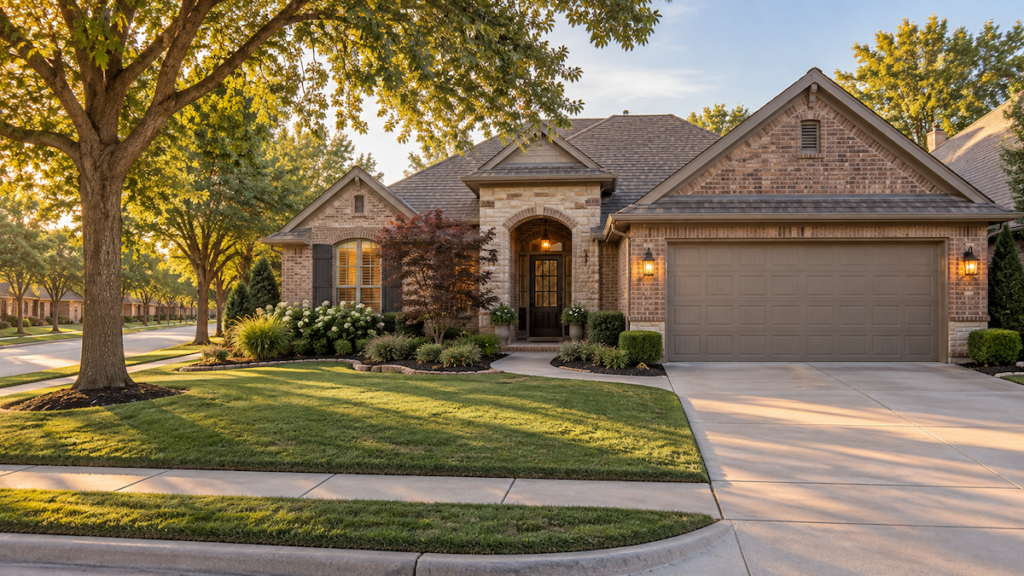
Right-sizing doesn’t automatically mean leaving your current neighborhood, either. Some Midtown and South Tulsa homeowners right-size within the same zip code, trading a larger, older home for a smaller, updated one a few streets over, keeping the same schools, same church, same grocery store, same familiar routine, while shedding the maintenance load.
What Happens to Your Equity When You Right-Size?
For homeowners who’ve been in their house a long time, right-sizing often unlocks more usable cash than people expect, sometimes enough to meaningfully change retirement or travel plans.
Because so many Tulsa homeowners in this stage of life have owned their homes for a decade or more, mortgage balances are often low relative to current home value. Selling a home that’s appreciated for years and moving into a smaller, lower-priced property can free up equity that’s otherwise sitting untouched inside four walls. That freed-up capital typically goes toward one of three things: funding retirement income, paying cash or near-cash for the next home to eliminate a mortgage payment entirely, or covering the kind of travel and family time that was hard to prioritize while managing a bigger property.
According to recent local market data, home values across the Tulsa metro have continued to appreciate at a moderate, steady pace rather than the sharp swings seen in some markets, which means longtime owners have generally built real, usable equity over time.
The numbers below are illustrative only, based on a hypothetical $400,000 home, and are not a projection for any specific property. Your actual numbers will depend on your loan balance, your home’s current value, and the cost of your next home.
See what your specific Tulsa home is worth
By the Numbers
Illustrative example only, based on a hypothetical $400,000 Tulsa-area home. Not a projection for any specific property.
- Estimated current home value: $400,000
- Estimated remaining mortgage balance: $130,000
- Estimated selling costs (agent commission, closing costs, roughly 7-8%): $30,000
- Estimated net proceeds after payoff and costs: $240,000
- Example right-sized home price (Jenks or Broken Arrow lock-and-leave): $310,000
- Estimated new mortgage needed after applying proceeds: $70,000, or none if paying the difference from savings
- Estimated monthly savings from a smaller mortgage and lower-maintenance property: $400 to $600
- Tulsa metro homes have generally sold within roughly 30 to 45 days in recent market conditions, according to recent local market data
Should You Right-Size, Stay Put, or Even Upsize?
Right-sizing isn’t the correct answer for everyone, and a good decision starts with an honest look at what you actually want your next five to ten years to look like.
Some homeowners are better served by staying exactly where they are. If your current home is largely paid off, your maintenance costs are manageable, and the space genuinely gets used, hosting extended family regularly, a home office, a hobby room, then staying put with a plan for aging-in-place upgrades may make more financial and emotional sense than moving at all. A move should solve a real problem, not just respond to a feeling that it might be time for a change.
Other homeowners are actually better candidates for upsizing or a lateral move rather than downsizing. This shows up more often than people expect: grandparents who want a home large enough to host grandchildren for extended stays, multigenerational households forming as adult children or aging parents move back in, or homeowners who simply want more space for hobbies now that their time is more flexible. If your goal is to gather people more often, not less, a smaller home may work against you.
The homeowners who benefit most from right-sizing are usually the ones carrying a home built for a life stage that’s already passed, more bedrooms than visitors, more yard than they want to maintain, more house than they want to think about. If that description fits, right-sizing is worth exploring. If it doesn’t, there’s no reason to force the decision just because it’s common at this age.
Explore what right-sizing could look like for your home
When Is the Right Time to Make This Move?
There’s no universal deadline for right-sizing, and treating it like one usually leads to a decision you’re not fully settled on.
The right time is generally when the maintenance, cost, or upkeep of your current home has become a genuine burden rather than a mild annoyance, and when you have a clear enough picture of your next home that the move feels like progress rather than a leap. Waiting for a “perfect” moment often just means waiting indefinitely, but rushing into a sale before you’ve thought through where you’ll actually live and how it will function for family visits tends to create regret on the other side.
It’s also worth separating market timing from personal timing. Market conditions matter for pricing and strategy, but they shouldn’t be the deciding factor in whether you’re emotionally and practically ready to sell a home you’ve lived in for decades. A good real estate agent will walk you through both what the market is doing and whether this is genuinely the right season of your life for this move, without pushing you toward a timeline that isn’t yours.
Talk through your timeline with no pressure; book a conversation
Frequently Asked Questions
Is right-sizing the same thing as downsizing?
Not exactly. Downsizing focuses on reducing square footage, while right-sizing focuses on matching your home to your current lifestyle, which sometimes means less space and sometimes means a different layout in a similar size.
Will I still have room for the grandkids to stay over?
In most cases, yes. Many right-sized homes in the Tulsa metro still include at least one guest bedroom, and open floor plans often handle family gatherings more comfortably than older, more compartmentalized homes.
How much equity can I expect to free up?
It depends entirely on your loan balance, your home’s current value, and the price of your next home. A local home valuation is the only accurate starting point; general estimates online can be significantly off.
Do I have to move to a different part of town?
No. Some homeowners right-size within the same neighborhood, trading square footage and upkeep for convenience while staying close to family, friends, and familiar routines.
What if I decide staying is actually the better choice?
That’s a completely valid outcome. The goal of this decision is fit, not motion. Staying with a plan for future needs is sometimes the right-sized choice.
Key Takeaways
- Right-sizing is about matching your home to your next chapter, not simply shrinking your footprint
- Emotional resistance to this decision is normal and doesn’t mean you’re making the wrong call
- A right-sized home can still host holidays and overnight guests
- Freed-up equity from a right-size move often funds retirement, travel, or a mortgage-free next home
- Staying put or even upsizing is the better choice for some homeowners, not a failure to downsize
- This decision should run on your timeline, not a market deadline or a general sense of obligation
Conclusion
Downsizing vs right-sizing Tulsa isn’t really a debate about square footage. It’s a decision about what your next stage of life should look like, and whether your current home is helping you get there or quietly holding you back. For some homeowners, that means a smaller, lower-maintenance home that still has room for the people who matter most. For others, it means staying exactly where they are, or even making more room, not less.
There’s no single right answer here, and anyone who tells you there is hasn’t actually listened to what you’re carrying into this decision. What matters is getting a clear, honest picture of your options, your equity, and your timeline before you decide anything.
If you’re trying to figure out which camp you’re actually in, that conversation doesn’t have to start with a listing agreement. It can start with a simple, no-pressure look at where you stand today.
Start that conversation whenever you’re ready, no pressure, no timeline
About Deborah Green
Deborah Green is a real estate agent with Real Broker, LLC, serving buyers and sellers across Tulsa, Broken Arrow, Bixby, Jenks, and Owasso. She specializes in first-time buyers, move-up buyers, downsizers, relocation clients, and probate sales.
📞 918-282-6385
✉️ deb@deborahsellstulsa.com
Find out what your home is worth instantly: https://tulsaokhomes.com/propertyvalue
Sources & References
- U.S. Department of Housing and Urban Development (HUD), general homeownership resources
- Consumer Financial Protection Bureau (CFPB), guidance on home equity and mortgage payoff
- National Association of Realtors (NAR), national housing data trends
- Oklahoma Housing Finance Agency (OHFA), state homeownership resources
- Local Tulsa metro market data, aggregated from recent closed-sale reporting