
Buying or selling a home in Tulsa can feel straightforward until closing costs come into play. Many buyers and sellers are surprised to learn that the purchase price is only part of the financial picture. Closing costs in Tulsa include a mix of fees, prepaid expenses, and services required to legally transfer ownership, and understanding who pays what can prevent last-minute stress.
For buyers, especially first-time buyers and those relocating to the Tulsa area, closing costs can feel confusing because they are not always discussed early enough. Some costs are tied to financing, others to title and recording, and a few are negotiated between buyer and seller. Move-up buyers and downsizers often assume they already know how closing works, but rules and local customs change over time.
Sellers are sometimes just as surprised. While sellers often focus on commissions, they may not realize which closing expenses buyers cover separately. Understanding the full breakdown helps sellers evaluate offers more accurately and avoid misunderstandings during negotiations.
This guide explains Tulsa closing costs in plain language. You will learn what closing costs are, how they differ for buyers and sellers, and how local practices in Tulsa, Broken Arrow, Bixby, Jenks, Owasso, and nearby suburbs influence who pays which fees. Whether you are buying your first home, selling a longtime property, or planning a move within the Tulsa metro, this breakdown will help you plan with confidence.
What Are Closing Costs in Tulsa?
Closing costs are the expenses required to complete a real estate transaction beyond the purchase price. In Tulsa, these costs cover services that protect both parties and ensure the transfer of ownership is legally recorded. They are paid at closing, which is the final step when ownership officially changes hands.
For buyers, closing costs often include lender fees, title services, prepaid taxes, and insurance. These expenses ensure that the loan is properly issued and that the property has a clear title. Even cash buyers in Tulsa still pay closing costs because title work and recording are required regardless of financing.
Sellers also face closing costs, though their list is usually shorter. Seller expenses often include commissions and negotiated concessions. Sellers typically do not pay the buyer’s title insurance in Tulsa, an important local distinction that differs from that in some other states.
Closing costs in Tulsa are influenced by local customs, title company practices, and Oklahoma regulations. While estimates are provided early in the transaction, final numbers can change based on timing, insurance premiums, and negotiated credits. Buyers and sellers who understand these variables are better prepared for the final settlement statement.
To understand how these costs fit into the bigger picture, it helps to review the broader process outlined in Buying a Home in Tulsa, which explains how closing costs interact with inspections, financing, and timelines.
Buyer Closing Costs in Tulsa: What Buyers Typically Pay
Buyers in Tulsa are responsible for most closing costs, especially when financing is involved. These costs are disclosed in advance through loan estimates and closing disclosures, but the categories can still feel overwhelming without explanation.
One major category is title and escrow services. Buyers typically pay for the title search, title examination, final title search, escrow services, recording fees, and fraud detection. These services confirm the seller has the legal right to sell the property and that ownership is properly recorded with the county.
Lender-related costs are another significant portion of buyer closing costs. These may include loan origination fees, underwriting, appraisal fees, and credit reports. Even though these costs vary by lender, they are common across most financed transactions in Tulsa.
Prepaid expenses often surprise buyers the most. These are not fees but advance payments for items such as homeowners’ insurance and property taxes. Depending on the time of year and insurance provider, prepaids can add several thousand dollars to the cash needed at closing.
First-time buyers often benefit from reviewing the First-Time Homebuyer Guide early in the process so they understand how closing costs fit into overall affordability.

Seller Closing Costs in Tulsa: What Sellers Usually Pay
Sellers in Tulsa generally pay fewer closing costs than buyers, but their expenses are still significant. The largest seller cost is typically real estate commissions, which are negotiated in the listing agreement and paid at closing.
Unlike some states, sellers in Tulsa do not usually pay for the buyer’s title insurance policy. This often causes confusion for sellers relocating from other regions where seller-paid title insurance is common. In Tulsa, the buyer typically covers title insurance as part of their closing costs.
Sellers may also agree to pay buyer concessions as part of negotiations. These concessions can be applied toward the buyer’s closing costs or prepaid expenses. While concessions reduce the seller’s net proceeds, they can help a transaction move forward in a competitive or shifting market.
Understanding seller costs in advance helps homeowners plan their net proceeds more accurately. A full overview is available in Selling a Home in Tulsa, which explains how closing costs impact pricing and negotiation strategies.

Who Pays What in Tulsa Real Estate Transactions?
In Tulsa, who pays which closing costs is influenced by local norms and contract negotiations. While there are standard practices, almost every cost can be negotiated depending on market conditions and buyer demand.
Buyers typically pay title services, lender fees, and prepaids. Sellers typically pay commissions and agreed-upon concessions. However, in some transactions, sellers may agree to cover specific buyer costs to make their listing more attractive.
Move-up buyers often encounter both sides of this equation. They may be paying buyer closing costs on their new purchase while also paying seller costs on their current home. This makes planning especially important to avoid cash flow surprises.
Understanding how costs are allocated helps buyers and sellers evaluate offers more clearly. It also prevents misunderstandings during inspections, appraisal negotiations, and final walkthroughs.
For a broader view of how costs affect affordability, see Tulsa Housing Market & Cost of Living, which explains how local pricing trends influence negotiations.
Cash Purchases in Tulsa: Are Closing Costs Lower?
Cash buyers in Tulsa often assume closing costs will be minimal since there is no lender involved. While lender fees are eliminated, cash purchases still involve essential costs.
Title services are still required for cash transactions. Buyers must pay for the title search, title insurance, recording fees, and escrow services. These costs protect the buyer by ensuring clear ownership and proper recording.
Prepaid expenses also apply to cash buyers. Homeowner’s insurance must still be paid in advance, and property taxes may be prorated depending on the closing date. These costs can add up quickly, even without a mortgage.
Cash buyers are often surprised by how much cash is still required at closing. Planning ahead prevents frustration and ensures funds are available when needed.

Typical Buyer Closing Cost Ranges in Tulsa
While exact closing costs vary, buyers in Tulsa can generally expect closing costs to range between 2% and 4% of the purchase price. This range depends on loan type, insurance premiums, and timing.
For example, a buyer purchasing a $300,000 home with financing might see total cash to close beyond the purchase price fall between $12,000 and $20,000. This includes title services, lender fees, and prepaids.
Higher-priced homes often have higher title insurance premiums, which can increase closing costs even if lender fees remain similar. Conversely, some loan programs offer reduced fees but may require higher prepaids.
Example Buyer Closing Cost Breakdown (Illustrative Only)
| Cost Category | Typical Range |
|---|---|
| Title & Escrow Services | $1,500–$3,000 |
| Lender Fees | $1,000–$3,000 |
| Prepaid Insurance & Taxes | $3,000–$8,000 |
| Recording & Misc. Fees | $200–$500 |
This table is a general illustration and does not replace a personalized estimate.
How Closing Costs Differ Across Tulsa Suburbs
While closing costs in Tulsa follow consistent state and county rules, the exact amounts can vary slightly by suburb and property location. Buyers moving between Tulsa, Broken Arrow, Bixby, Jenks, Owasso, and nearby communities may notice differences in taxes, insurance rates, and transaction timelines rather than in major fee categories.
Property taxes contribute to these variations. Some suburbs have higher millage rates due to school districts, infrastructure funding, or municipal services. When taxes are prorated at closing, buyers in higher-tax areas may need to prepay more than buyers of similar-priced homes in lower-tax areas.
Insurance costs can also differ by location. Homes farther from fire stations or with different construction standards may carry higher homeowner’s insurance premiums. Because insurance is often prepaid at closing, these differences show up directly in the buyer’s cash-to-close figure.
Timing matters as well. Suburbs experiencing rapid growth, such as Bixby or Owasso, may have new construction homes with tax assessments still pending. In these cases, lenders often collect higher escrow reserves at closing to protect against future tax increases.
Buyers relocating from outside the metro often benefit from reviewing Buying a Home in Tulsa alongside neighborhood-specific planning to avoid overlooking local cost differences.
How New Construction Closing Costs Work in Tulsa
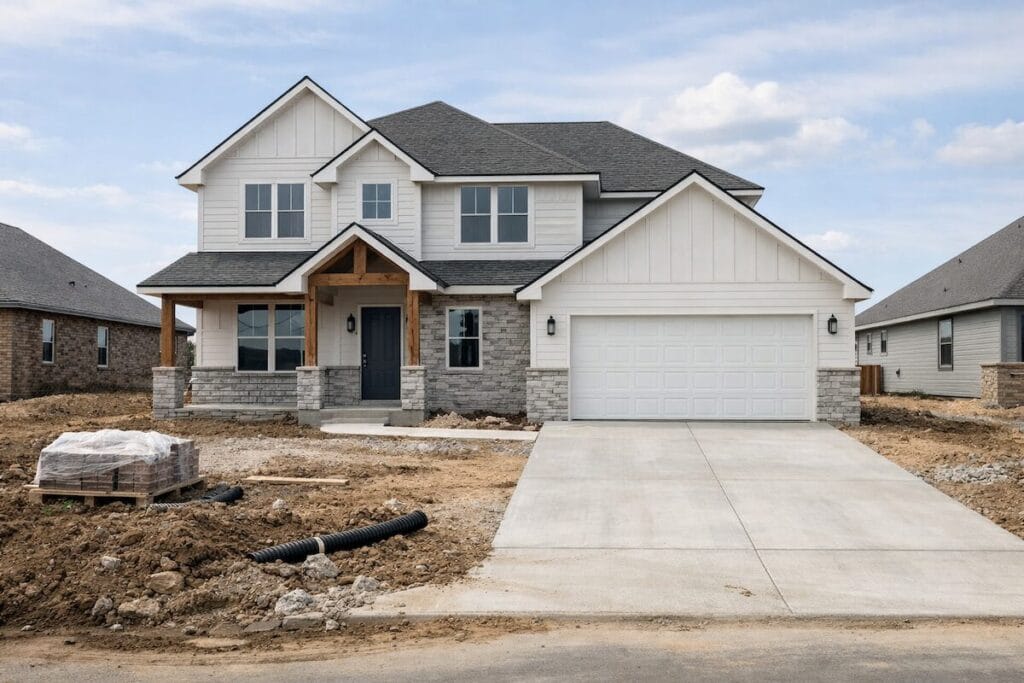
New construction purchases in Tulsa follow the same core closing cost structure as resale homes, but there are important differences buyers should understand. Builders often advertise incentives, which can make costs appear lower than they actually are.
Many builders offer to cover a portion of closing costs if buyers use a preferred lender or title company. While this can reduce out-of-pocket expenses, buyers should review loan terms carefully to ensure interest rates and fees remain competitive.
New construction buyers may also face higher prepaid tax estimates. If the home was previously assessed as vacant land, lenders often collect extra escrow funds until the first full tax bill is issued. This can increase cash to close even when the purchase price seems straightforward.
Another common difference involves homeowner association setup fees. New developments in Jenks, Bixby, or South Tulsa often charge HOA initiation fees or working capital contributions at closing. These are buyer-paid costs and should be factored into the budget early.
Move-up buyers purchasing new construction while selling an existing home benefit from reviewing the Move-Up Buyer Guide to coordinate timing and cash flow between transactions.
Downsizing and Closing Costs: What Longtime Owners Should Expect
Downsizers in Tulsa often assume closing costs will be simpler because they are selling a longtime home and purchasing something smaller. While the overall transaction may be more straightforward, downsizers still face both seller and buyer costs.
On the selling side, downsizers pay commissions and any negotiated concessions. Many longtime owners are surprised by how common concessions have become in certain price ranges, especially when buyers are financing.
On the buying side, downsizers purchasing with cash or large down payments still pay title services and prepaids. Even without a mortgage, cash to close is rarely minimal. Planning for insurance and tax escrows avoids frustration late in the process.
Downsizers also frequently buy condos or patio homes, which may involve HOA transfer fees, document fees, or capital contributions. These are buyer-paid costs that vary by association and are due at closing.
A detailed walkthrough of these scenarios is covered in Downsizing in Tulsa, which helps longtime homeowners prepare financially and emotionally for the transition.

How Closing Costs Affect Net Proceeds for Sellers
Many sellers focus on the sale price but underestimate how closing costs affect net proceeds. Understanding the full picture helps sellers evaluate offers more accurately, especially when concessions are involved.
Seller concessions reduce the net amount received at closing. While concessions may help secure a buyer, they should be evaluated alongside price, financing strength, and closing timeline. A higher offer with large concessions may net less than a slightly lower offer with fewer credits.
Timing can also affect seller proceeds. Closing earlier or later in the tax year changes prorations, potentially shifting amounts owed or credited. Sellers who plan ahead avoid surprises on the final settlement statement.
Sellers preparing to list benefit from reviewing Selling a Home in Tulsa so pricing and negotiation strategies reflect real net outcomes, not just headline numbers.
Additional FAQ: Closing Costs in Tulsa
Are closing costs higher in Tulsa than in other Oklahoma cities?
Closing costs in Tulsa are generally comparable to those in other major Oklahoma cities, though property taxes and insurance premiums can vary by location. The overall fee structure remains consistent statewide. Buyers relocating from out of state often find Tulsa costs reasonable relative to home prices.
Final Thoughts: Confidence Comes From Clarity
Closing costs in Tulsa do not have to feel like a mystery. When buyers and sellers understand how costs are structured, who pays which expenses, and why those costs exist, decisions become clearer and less stressful.
Whether you are buying your first home, moving up, downsizing, or relocating within the Tulsa metro, planning ahead is the key to a smooth closing. Reviewing estimates early and understanding local practices prevents last-minute surprises.
Start your Tulsa home search when you are ready to explore options with a clear understanding of the full financial picture.
How Negotiations Affect Closing Costs in Tulsa
Closing costs in Tulsa are often influenced by negotiation strategy. In a strong seller’s market, buyers may need to cover all costs without concessions. In a more balanced market, sellers may offer credits to attract qualified buyers.
Seller concessions are commonly applied toward buyer closing costs. This can reduce the buyer’s upfront cash requirement while preserving the agreed purchase price. However, concessions may impact appraisal considerations depending on the loan type.
Move-up buyers and downsizers often use concessions strategically to manage timing and cash flow. Understanding how concessions affect net proceeds and affordability is key to making informed decisions.
For buyers planning a transition, the Move-Up Buyer Guide explains how to coordinate selling and buying costs effectively.

Common Misconceptions About Closing Costs in Tulsa
One common misconception is that sellers pay all closing costs. In Tulsa, buyers pay most closing costs, and seller-paid costs are usually limited to commissions and negotiated credits.
Another misunderstanding is that closing costs are fixed. In reality, many costs vary based on insurance premiums, tax timing, and negotiated terms. Even small changes in closing date can affect final numbers.
Some buyers also believe cash purchases eliminate closing costs entirely. As discussed earlier, cash buyers still pay for title services and prepaids, which can be substantial.
Clearing up these misconceptions early helps buyers and sellers make confident decisions and avoid last-minute surprises.
FAQs About Closing Costs in Tulsa
How much should buyers budget for closing costs in Tulsa?
Buyers in Tulsa should generally budget between 2% and 4% of the purchase price for closing costs. This range accounts for lender fees, title services, and prepaid expenses. The exact amount depends on loan type, insurance premiums, and the time of year the transaction closes.
Do sellers pay title insurance in Tulsa?
In most Tulsa transactions, buyers pay for title insurance, not sellers. This differs from practices in some other states and can surprise out-of-area buyers and sellers. It is important to review local norms early in the process.
Can closing costs be rolled into the loan?
Some loan programs allow certain closing costs to be financed, but this depends on the loan type and appraisal value. Rolling costs into the loan may increase monthly payments and total interest paid over time. Buyers should review options carefully with their lender.
Are closing costs negotiable in Tulsa?
Many closing costs are negotiable, especially seller concessions. Market conditions play a large role in how flexible negotiations can be. Understanding local trends helps buyers and sellers negotiate more effectively.
Conclusion: Planning Ahead Makes Closing Easier
Closing costs in Tulsa are an essential part of buying and selling real estate, but they do not have to be overwhelming. When buyers and sellers understand who pays what and why, the process becomes more predictable and less stressful.
Planning ahead allows you to budget accurately, negotiate confidently, and avoid surprises at the closing table. Whether you are buying your first home, moving up, downsizing, or relocating to the Tulsa area, clarity around closing costs helps you make smarter decisions.
Schedule a low-pressure planning call to review your specific situation and get a personalized breakdown before you make your next move.