
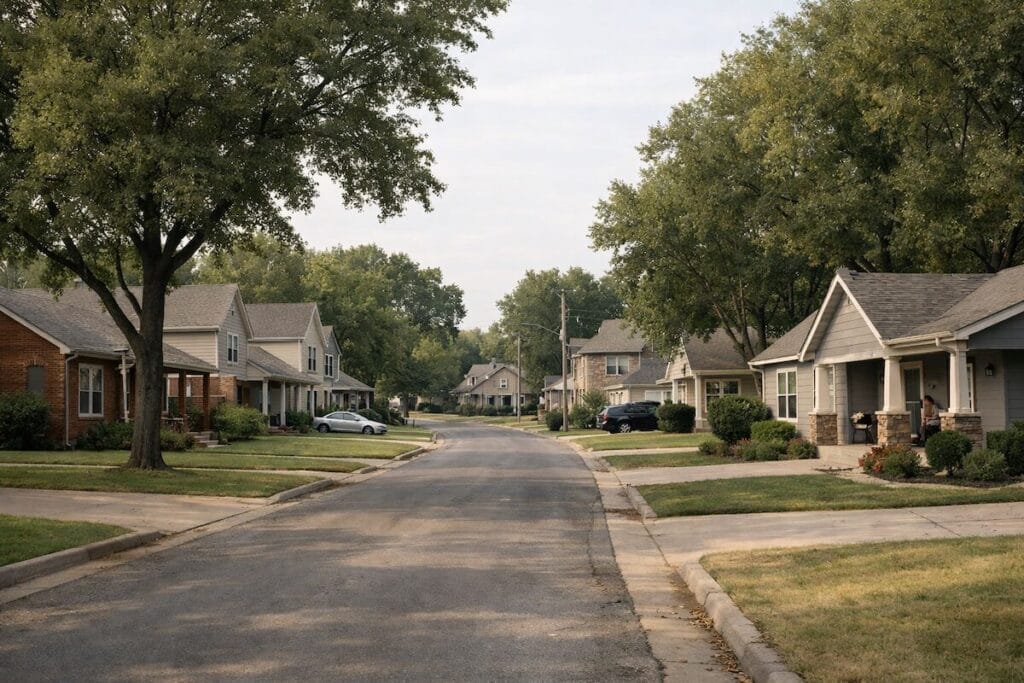
If you’re a homeowner in Tulsa or the surrounding suburbs and thinking about your next move, there’s a good chance this question has been sitting in the back of your mind: Should I sell my current home before buying the next one, or buy first and figure the rest out later? For move-up buyers and downsizers alike, this decision can feel surprisingly stressful. It’s not just about timing — it’s about finances, lifestyle, risk tolerance, and what happens if things don’t go exactly as planned.
In recent years, Tulsa-area homeowners have experienced rapidly changing market conditions. Some sellers remember a time when homes sold in days with multiple offers, while others are now seeing longer timelines and more negotiation. That shift has made the decision to sell before buying — or buy first — less obvious than it once was. What worked for your neighbor last year may not be the best move for you today.
This question also tends to come with a lot of assumptions. Many people believe they have to sell first to qualify financially, while others assume buying first is the only way to avoid being stuck without a place to live. In reality, there are several viable paths, and the right one depends on your goals, your equity position, and how flexible your timeline can be.
In this guide, we’ll walk through how to think strategically about sell before buying in Tulsa, using real local scenarios and practical considerations. You’ll learn the pros and cons of each approach, common mistakes to avoid, and how Tulsa’s housing market influences the decision. Whether you’re upsizing, downsizing, or simply relocating within the metro, the goal is clarity — not pressure.

Understanding the Tulsa Housing Market Before You Decide
Before you can confidently decide whether to sell first or buy first, it’s important to understand how Tulsa’s housing market affects each option. Market conditions play a major role in risk, timing, and negotiating power, especially for homeowners who are trying to coordinate two transactions at once.
Tulsa and its surrounding suburbs — including Broken Arrow, Bixby, Jenks, and Owasso — are generally considered balanced compared to many larger metro areas. Homes still sell, but they don’t always sell instantly. Buyers are more selective than they were during peak frenzy years, and pricing correctly matters more than ever. This environment can work in your favor, but only if your strategy aligns with current conditions.
Inventory levels also vary by price range and location. Entry-level and mid-priced homes often attract more attention than higher-priced properties, which can take longer to sell. That difference matters if you’re planning to sell before buying, because longer days on market can impact your ability to move quickly. On the flip side, buying first in a competitive pocket may require stronger terms or faster decision-making.
Interest rates and lending guidelines also influence the equation. Some homeowners assume they won’t qualify for a new mortgage until their current home sells, but that’s not always true. Lenders look at income, equity, debt, and reserves, not just whether you currently own another home. Reviewing the basics of Buying a Home in Tulsa can help you understand how financing fits into the timing conversation.
Finally, it’s worth remembering that Tulsa’s market is local by nature. Conditions in Midtown Tulsa may look different from those in South Broken Arrow or Jenks. That’s why broad national advice often misses the mark here. Before making assumptions, it helps to understand how your specific neighborhood and price point are performing within the broader Tulsa Housing Market & Cost of Living.
Option 1: Selling Your Tulsa Home Before Buying
For many homeowners, selling first feels like the safer and more straightforward option. You close one chapter before opening the next, avoid juggling two mortgages, and know exactly how much money you’ll have to work with. In Tulsa, this approach can work very well — but it’s not without trade-offs.
One of the biggest advantages of selling first is financial clarity. Once your home sells, you know your exact proceeds, which makes budgeting for your next purchase easier. This is especially helpful for downsizers who want to reduce monthly expenses or free up equity for retirement or other goals. It also reduces lender concerns, since you’re no longer carrying an existing mortgage.
Selling first can also strengthen your buying position. With cash in hand or a confirmed down payment, your offer may look more attractive to sellers. In competitive areas of Tulsa, a non-contingent offer can stand out, even if the price is similar to others. This can be particularly helpful when you’re moving into a neighborhood with limited inventory.
That said, selling first often requires temporary housing. Some homeowners move into a short-term rental, stay with family, or negotiate a lease-back after closing. While these solutions are manageable, they require flexibility and planning. If you’re not prepared for a transitional period, selling first may feel more disruptive than expected.
Before committing to this path, it’s smart to understand what your home could realistically sell for and how long it might take. Check your home’s value early in the process so you’re making decisions based on data, not guesses.
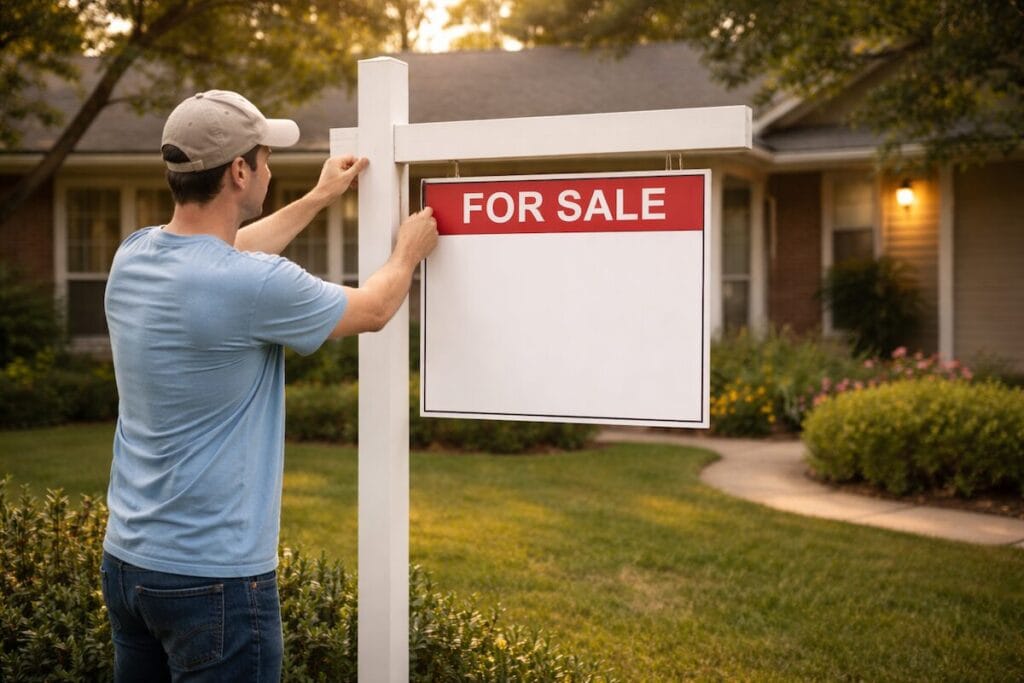
Option 2: Buying Your Next Home Before Selling
Buying first appeals to homeowners who want certainty about where they’re going next. This option is common among move-up buyers who have specific needs, such as school districts, accessibility features, or proximity to family. In Tulsa, buying first can be a smart move — if the numbers and timing work.
One of the biggest benefits of buying first is avoiding the need for temporary housing. You move directly from one home to the next, which is especially appealing for families or homeowners downsizing from a long-term residence. There’s also less pressure to find a replacement home quickly, allowing you to wait for the right fit instead of settling.
However, buying first usually requires stronger financial positioning. Some lenders will allow you to qualify with both mortgages temporarily, while others require bridge loans or additional reserves. These options can work, but they add complexity and cost.
Another consideration is market risk. If your current home takes longer to sell than expected, you may end up carrying two homes longer than planned. In a softer segment of the Tulsa market, this can create stress, especially if pricing adjustments become necessary. That’s why pricing strategy and timing matter even more when buying first.
For homeowners considering this route, it’s critical to have a clear plan for selling — not just a hope that it will work out. Reviewing the steps involved in Selling a Home in Tulsa can help you understand what needs to happen once you’re under contract on your next home.
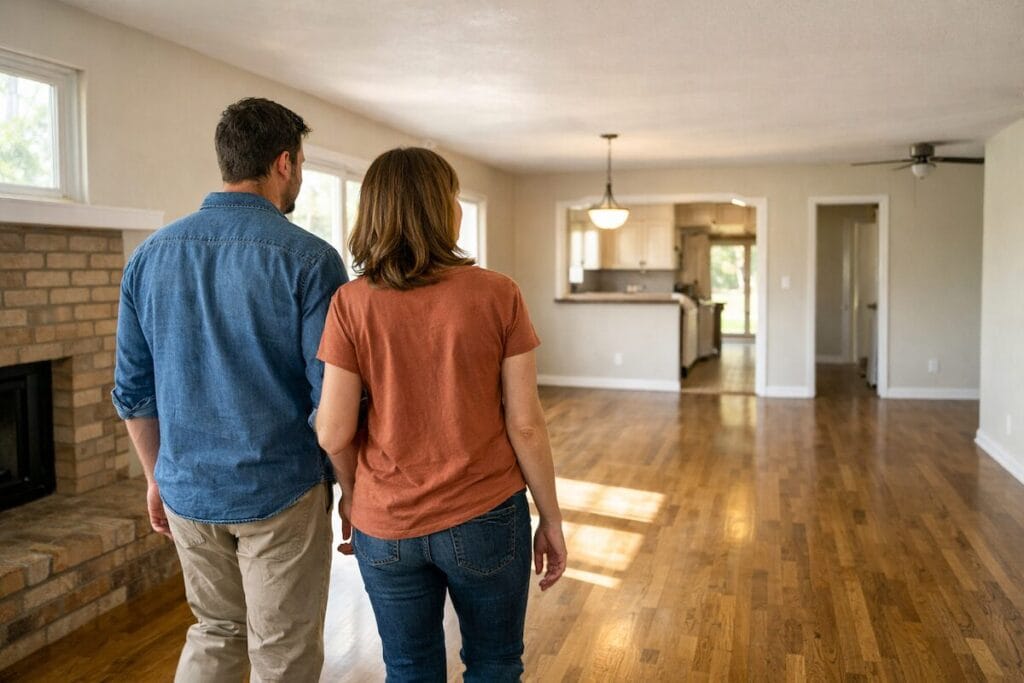
How Move-Up Buyers Should Think About the Decision
Move-up buyers often face the most complex version of this question. You’re trying to upgrade your home while managing equity, affordability, and timing — all at once. In Tulsa, move-up buyers commonly start by leaning toward buying first, but that’s not always the best default choice.
One key factor is how much equity you have in your current home. If most of your down payment depends on selling, selling first may provide more certainty and flexibility. On the other hand, if you have strong savings and equity, buying first may open doors in competitive neighborhoods where timing matters.
Lifestyle also plays a role. Many move-up buyers are navigating school schedules, work commutes, or family logistics. Temporary housing may be inconvenient, but so is rushing into the wrong home. This is where planning becomes more important than choosing the “right” answer.
Move-up buyers also benefit from understanding local pricing gaps. The difference between what your current home sells for and what your next home costs may be larger than expected. Reviewing the Move-Up Buyer Guide can help you evaluate whether selling first or buying first better aligns with your long-term goals.
If you’re unsure which direction makes sense, a planning conversation can help clarify the trade-offs without pressure. Schedule a low-pressure planning call to walk through timing, financing, and realistic scenarios specific to your situation.
How Downsizers Should Approach Selling vs. Buying
For downsizers, the decision to sell before buying often comes with a different set of priorities than move-up buyers. Instead of focusing on space and future growth, downsizers are usually thinking about simplicity, cash flow, and reducing stress. In Tulsa, that shift in mindset often makes selling first the more practical choice — but not always.
Many downsizers are coming from homes they have owned for a long time with significant equity. Selling first allows you to unlock that equity and clearly understand your purchasing power before making decisions. This is especially helpful if you’re considering a smaller home, a patio home, or a condo in areas like Midtown Tulsa, South Tulsa, or Jenks. Knowing your exact budget helps prevent overbuying or stretching unnecessarily.
Another consideration is emotional timing. Downsizing often involves leaving a home filled with memories, which can make rushed decisions harder. Selling first gives you mental and financial space to grieve the change while planning your next chapter intentionally. Temporary housing, while not ideal, can act as a buffer rather than a burden when handled thoughtfully.
That said, some downsizers prefer to buy first to avoid multiple moves or to secure a home with specific accessibility features. In those cases, buying first may make sense if your financial position allows it. The key is understanding the trade-offs and avoiding assumptions that one path is automatically safer.
If downsizing is part of your plan, reviewing the considerations outlined in Downsizing in Tulsa can help you frame this decision around comfort, cash flow, and long-term flexibility rather than urgency.

Common Misconceptions That Create Stress (and Bad Decisions)
A lot of anxiety around whether to sell or buy first comes from misconceptions rather than facts. One of the most common is the belief that you must choose a rigid, inflexible path. In reality, there are hybrid strategies that allow for contingencies, extended possession, or negotiated timelines.
Another misconception is assuming your home will sell instantly at any price. While Tulsa remains a healthy market, pricing and presentation matter. Overpricing in hopes of buying time can backfire, especially if you’ve already purchased another home. Understanding realistic days-on-market expectations is critical before committing to buying first.
Some homeowners also assume they won’t qualify for a new mortgage unless they sell their current home. While this can be true in some cases, many buyers qualify with temporary overlap depending on income, equity, and reserves. An early lender conversation can prevent unnecessary limitations in your planning.
Finally, many people believe that temporary housing always equals chaos. In reality, short-term rentals, lease-backs, and flexible closing terms are common and manageable when planned ahead. Stress usually comes from unplanned transitions, not from selling first itself.
Clarifying these misconceptions early allows you to approach the decision strategically rather than emotionally.
Comparing the Two Paths: Sell First vs. Buy First
To help clarify the differences, here’s a high-level comparison of the two approaches. This table is not meant to replace personalized advice, but it can help frame the decision logically.
| Consideration | Sell First | Buy First |
|---|---|---|
| Financial clarity | High — exact proceeds known | Lower — proceeds estimated |
| Risk level | Lower | Higher if the home doesn’t sell quickly |
| Temporary housing | Often required | Usually avoided |
| Offer strength | Stronger, non-contingent | May require contingencies |
| Stress timing | Front-loaded | Back-loaded |
Even with a comparison like this, the right choice depends on your comfort level, finances, and timing. The table simplifies the decision, but your real-life situation adds nuance that numbers alone can’t capture.
How to Decide Which Option Fits Your Situation
Instead of asking, “Which option is better?” a more useful question is, “Which risks am I more comfortable managing?” Every path involves trade-offs, but not every trade-off feels equal to every homeowner.
If carrying two homes would keep you up at night, selling first may provide peace of mind. If being without a permanent home feels more stressful than financial overlap, buying first may be worth the added complexity. Neither answer is wrong — they’re just different.
Timing flexibility also matters. Homeowners with rigid deadlines often feel forced into decisions that don’t serve them well. Building a timeline with buffers can open up options that initially felt unavailable. This is especially true in Tulsa, where negotiation and customized timelines are still possible in many transactions.
Finally, remember that this decision doesn’t exist in isolation. It connects directly to pricing strategy, home preparation, financing, and negotiation. Treating it as a planning exercise rather than a quick choice often leads to better outcomes and fewer regrets.

Frequently Asked Questions
Should I sell before buying in Tulsa if the market slows?
A slower market often makes selling first the safer option, especially if you need your equity for the next purchase. When homes take longer to sell, carrying two properties can increase financial pressure. Selling first provides certainty and reduces risk, even if it requires temporary housing.
Can I make an offer contingent on selling my home?
Yes, contingent offers are still common in Tulsa, but they’re less competitive in certain neighborhoods. Sellers may accept them depending on price, timing, and market conditions. Understanding when contingencies are realistic is part of building a smart strategy.
What if I sell my home and can’t find the right one?
This is a valid concern, which is why planning matters. Temporary housing solutions, extended possession, or flexible closing dates can create breathing room. The risk is usually manageable with proper preparation.
Is buying first always riskier?
Not always, but it does require a stronger financial footing. Buyers who qualify for both mortgages or have access to bridge financing often manage risk well. The key is knowing your limits before committing.
Final Thoughts: Make the Decision With a Plan, Not Pressure
Deciding whether to sell before buying in Tulsa isn’t about choosing a universally “correct” answer. It’s about aligning your financial reality, lifestyle needs, and comfort level with risk. When you understand the why behind each option, the decision becomes clearer — and far less stressful.
If you’re early in the process and want to explore neighborhoods, timelines, and realistic options without pressure, Start your Tulsa home search to see what’s possible before making any commitments.
The right plan is the one that fits you, not the one that worked for someone else.