
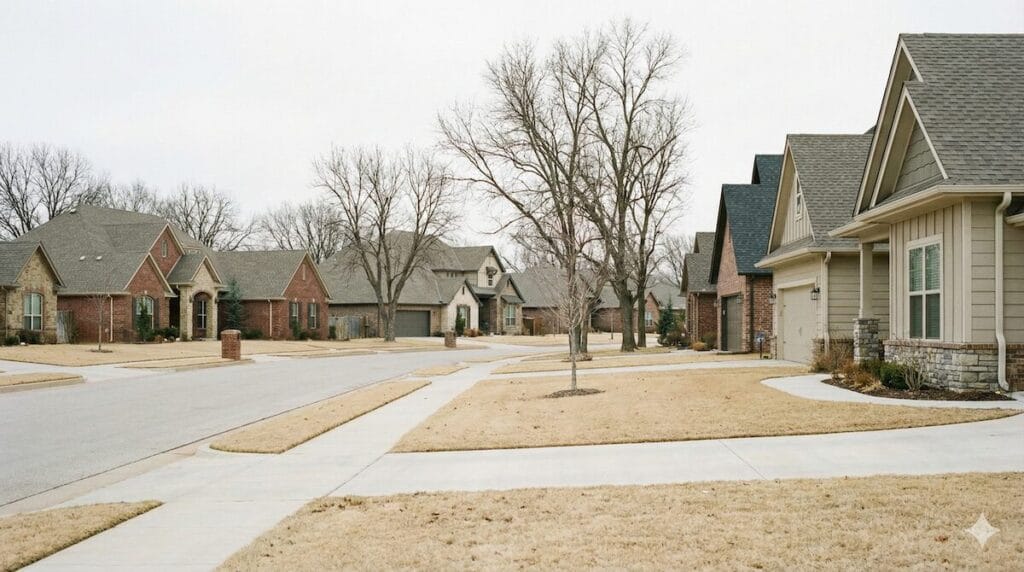
January is often seen as a quiet month in real estate, but for move-up buyers in the Tulsa area, it can be one of the most important times of the year to pay attention. The decisions you make early in the year often shape how smoothly — or stressfully — your move unfolds later. A clear Tulsa housing market update helps you understand not just what is happening, but why it matters specifically for homeowners looking to move into their next home.
Move-up buyers face a different set of challenges than first-time buyers. You’re not just watching home prices or mortgage rates in isolation. You’re balancing the value of your current home, the timing of a sale, competition for the next home, and how all of those pieces work together. That’s why a surface-level market snapshot doesn’t cut it. You need context, local insight, and practical planning guidance.
In January 2026, the Tulsa housing market shows signs of stabilization after several years of sharp swings. Inventory patterns are changing, buyer behavior is shifting, and sellers are adjusting expectations. These changes don’t affect every buyer the same way. For move-up buyers in Tulsa, Broken Arrow, Bixby, Jenks, Owasso, and nearby suburbs, the opportunity lies in understanding how today’s conditions can work in your favor — if you plan carefully.
This update is written specifically for homeowners thinking about their next move, not for investors or first-time buyers. We’ll walk through pricing trends, inventory realities, timing strategies, and common misconceptions that often hold move-up buyers back. Along the way, you’ll see where proactive planning can reduce risk and where waiting too long can quietly cost you options.
If you haven’t checked recently, this is a smart moment to check your home’s value so you’re grounding your next steps in real numbers, not assumptions.
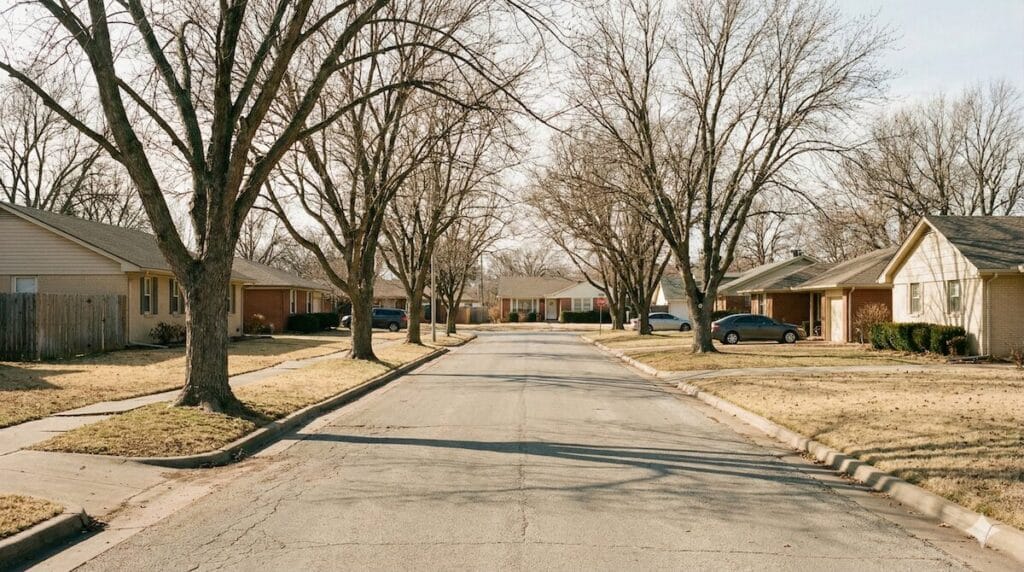
What January 2026 Reveals About the Tulsa Housing Market
January data gives us an early signal of how the year may unfold, especially when compared to the same period in previous years. In this Tulsa housing market update, the biggest takeaway is balance. The market is no longer racing ahead, but it hasn’t stalled either. For move-up buyers, that middle ground can be a strategic advantage.
Home prices across Tulsa and surrounding suburbs are holding steady, with modest adjustments depending on neighborhood and home condition. Well-maintained homes in desirable school districts continue to attract strong interest, while properties that are overpriced or need updates are sitting longer. This gap matters for move-up buyers because it affects both sides of your transaction.
Inventory levels in January 2026 are slightly higher than they were a year ago. This doesn’t mean buyers suddenly have unlimited choices, but it does mean fewer bidding wars in many price ranges. For move-up buyers, that can translate into more room to negotiate on terms, repairs, or closing timelines — especially if you’re well-prepared.
Another important trend is buyer behavior. Buyers are more thoughtful and less rushed than they were during peak frenzy years. That’s good news for move-up buyers who want time to coordinate a sale and purchase. It also means sellers need to price correctly from the start, which reinforces the importance of accurate market data.
For a broader context on how pricing and inventory tie into affordability, it helps to review Tulsa Housing Market & Cost of Living to you’re seeing the full picture, not just headline numbers.
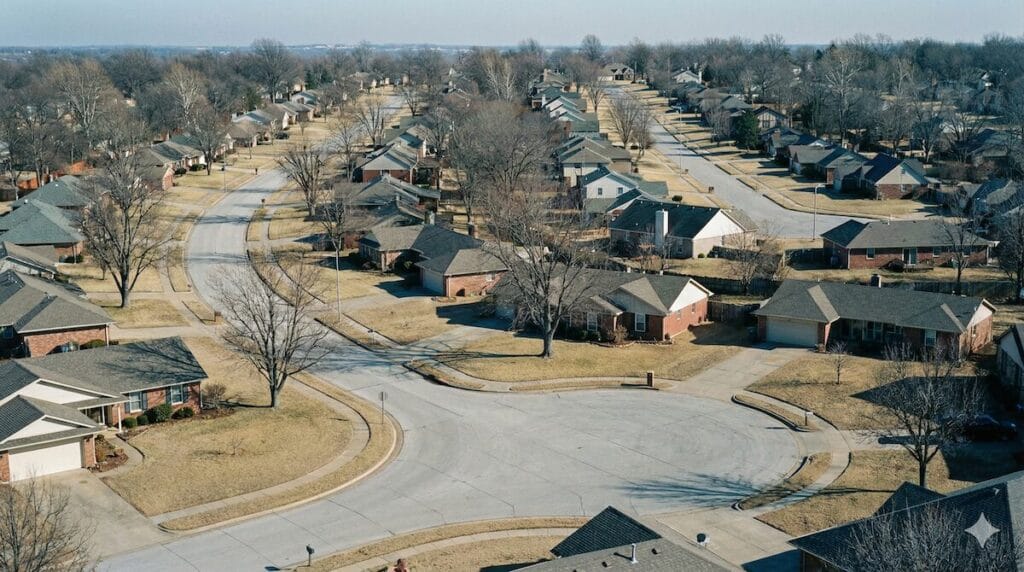
Why This Market Feels Different for Move-Up Buyers
Move-up buyers experience the market differently than first-time buyers because you’re playing both offense and defense at the same time. You’re selling in today’s market while buying in the same conditions. This Tulsa housing market update highlights why that dual role matters more now than it did a few years ago.
On the selling side, homes that are priced correctly and prepared well are still moving. Buyers are paying attention to condition, layout, and maintenance history. For move-up buyers, this means preparation matters more than timing the absolute peak. A home that shows well can outperform the broader market.
On the buying side, affordability pressure hasn’t disappeared, but it has softened. Buyers are no longer stretching as aggressively, which can work in your favor if you’re moving into a higher price range. Fewer emotional bidding wars mean your offer strategy can be more deliberate and less reactive.
One misconception move-up buyers often have is assuming they must sell first or buy first without flexibility. In reality, this market allows for multiple approaches, depending on your equity position and risk tolerance. Understanding those options early gives you more control.
If you want a deeper breakdown of those strategies, the Move-Up Buyer Guide provides a step-by-step planning framework that pairs well with current market conditions.

Inventory Trends Across Tulsa and Nearby Suburbs
Inventory isn’t uniform across the Tulsa metro, and that matters for move-up buyers targeting specific neighborhoods. In January 2026, inventory levels vary noticeably between Tulsa proper and suburbs like Broken Arrow, Bixby, Jenks, and Owasso.
In Tulsa, established neighborhoods with mature trees and proximity to downtown continue to see steady demand. Inventory is improving slightly, but homes priced correctly still move faster than many sellers expect. Move-up buyers targeting these areas should be prepared to act when the right home appears.
Suburbs like Bixby and Jenks show a different pattern. Newer construction and resale homes are competing more directly, which gives buyers additional leverage. That competition can translate into price flexibility or builder incentives that weren’t available in previous years.
Owasso and Broken Arrow sit somewhere in between. Inventory has grown modestly, especially in mid-range price points popular with move-up buyers. This creates opportunities for buyers who are flexible on timelines and features.
Understanding how inventory behaves in your target area is just as important as knowing your budget. Before narrowing your search, it’s helpful to start your Tulsa home search so you can watch patterns unfold in real time.
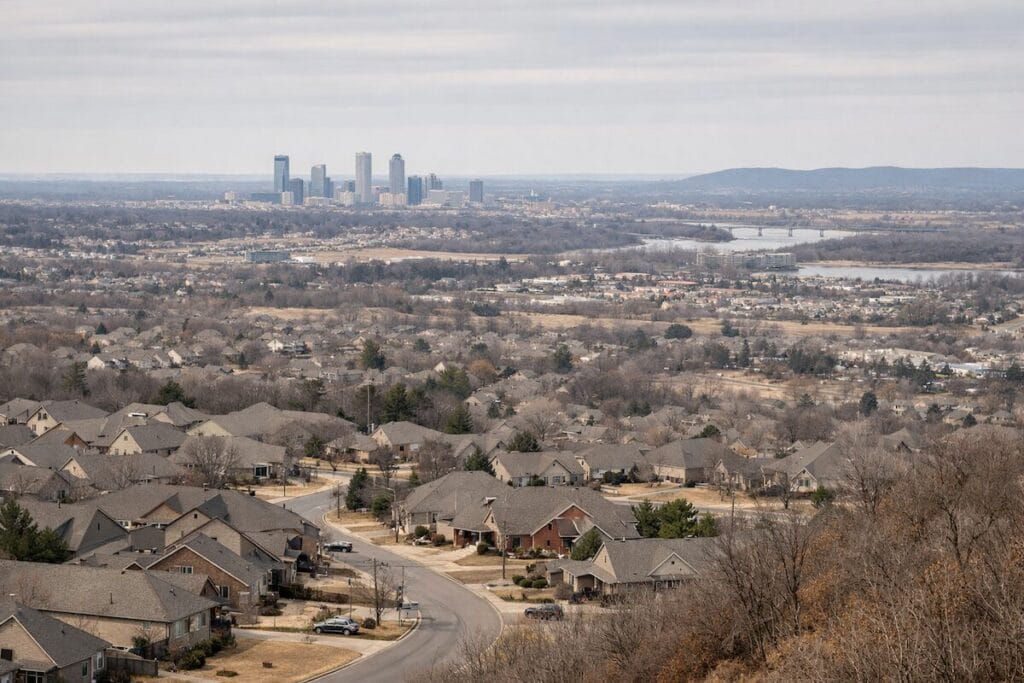
Pricing Trends and What They Mean for Your Next Move
Pricing stability is one of the defining characteristics of the January 2026 Tulsa housing market update. Prices aren’t dropping dramatically, but they’re no longer climbing at unsustainable rates either. For move-up buyers, this creates a planning window that rewards preparation.
Homes that are updated, well-maintained, and priced appropriately continue to command strong offers. However, buyers are more sensitive to value than they were during peak demand years. Overpriced homes are seeing price reductions, which can signal opportunity for patient buyers.
For move-up buyers, pricing trends affect both your sale and your purchase. A stable market reduces the risk of selling low and buying high, which is one of the biggest fears homeowners have when moving up. Stability doesn’t eliminate risk, but it makes outcomes more predictable.
Another key factor is appraisal sensitivity. Lenders are cautious, and appraisals need to be supported by recent comparable sales. That’s another reason pricing strategy matters so much on both sides of the transaction.
If you’re considering selling in the coming months, reviewing Selling a Home in Tulsa can help you understand how pricing and preparation intersect in today’s market.

Interest Rates, Buyer Confidence, and Timing Decisions
Interest rates continue to influence buyer confidence, even when they aren’t changing dramatically. In January 2026, rates remain a key conversation point, but they’re no longer the only factor shaping decisions. Move-up buyers are increasingly focused on monthly payments, long-term comfort, and overall lifestyle fit.
Higher rates compared to historic lows have encouraged buyers to slow down and think through decisions more carefully. This shift benefits move-up buyers who prefer clarity over speed. Fewer rushed buyers means fewer emotional bidding wars.
Timing still matters, but not in the way many homeowners assume. Waiting for a perfect rate often leads to missed opportunities on the inventory side. Instead, many move-up buyers are choosing to act when the right home appears and refinance later if rates improve.
Understanding loan guidelines is also part of timing your move effectively. Reviewing them can help clarify how financing options may support your plan, especially if you’re balancing equity and affordability.

Common Market Myths Holding Move-Up Buyers Back
One of the biggest challenges move-up buyers face isn’t the Tulsa housing market itself — it’s the assumptions they carry into the process. In January 2026, several common myths are quietly delaying good decisions and increasing stress for homeowners who could otherwise move forward with confidence.
A frequent myth is believing you must wait for the “perfect” market to move. In reality, there is rarely a moment when buying and selling conditions are both ideal. Markets shift constantly, and trying to time everything perfectly often results in missed opportunities. What matters more is how well your personal plan fits current conditions.
Another misconception is assuming that selling first is always safer. While selling first can reduce risk, it can also limit your options if inventory is tight in your target area. For some move-up buyers, a coordinated sale-and-purchase strategy provides more flexibility than expected, especially when backed by solid equity and planning.
Many homeowners also underestimate preparation. They believe market conditions alone determine outcomes, when in fact pricing, presentation, and timing play an equal role. Even in a balanced market, well-prepared homes outperform similar properties that are rushed to market.
If you’re feeling uncertain about where you fit into today’s market, Schedule a low-pressure planning call can help you walk through options without committing to immediate action.

How Move-Up Buyers Can Use January to Their Advantage
January offers a unique planning window for move-up buyers that often goes overlooked. While many people assume spring is the best time to act, the groundwork laid in January frequently determines how successful that spring move actually is. This Tulsa housing market update highlights why early clarity matters.
Buyers active in January tend to be more serious and informed. That creates a calmer environment where thoughtful offers are more likely to be considered. For move-up buyers, this means less competition and more productive negotiations.
January is also an ideal time to assess your current home realistically. Instead of guessing what it might sell for later, you can evaluate recent data and determine what improvements — if any — are worth making. This avoids last-minute scrambling when listing season ramps up.
Another advantage is timeline flexibility. Starting conversations early allows you to explore different sequencing options, including selling first, buying first, or coordinating both. That flexibility often disappears when inventory tightens later in the year.
For buyers who are still early in their planning phase, reviewing Buying a Home in Tulsa can help you understand the steps ahead and how they align with current market conditions.

A Simple Framework for Move-Up Buyers in Today’s Market
To bring clarity to the decision-making process, it helps to break the move-up journey into manageable pieces. Instead of thinking about everything at once, successful move-up buyers focus on sequencing and trade-offs.
Here’s a simple framework many homeowners find helpful:
| Step | Focus Area | Why It Matters |
|---|---|---|
| Step 1 | Understand current home value | Determines buying power and timing |
| Step 2 | Define non-negotiables for next home | Prevents decision fatigue |
| Step 3 | Evaluate sale and purchase timing | Reduces stress and risk |
| Step 4 | Align financing with goals | Keeps payments comfortable |
This framework isn’t about rushing decisions. It’s about replacing uncertainty with clarity. When each step is addressed intentionally, the market feels far less overwhelming.
If you haven’t already, this is a smart time to check your home’s value so the rest of your planning is based on real data, not estimates.

FAQs: Tulsa Housing Market Questions Move-Up Buyers Ask Most
Is January a bad time to sell a home in Tulsa?
January isn’t a bad time to sell, but it is a different time. Buyer traffic is typically lower, yet the buyers who are active tend to be more serious. Homes that are priced correctly and presented well can still sell efficiently. For move-up buyers, January can be a strategic time to test the market or prepare for a stronger spring launch.
Should move-up buyers wait until interest rates drop?
Waiting solely for interest rates to drop can be risky. Inventory, pricing, and competition may change before rates do. Many move-up buyers choose to move when the right home becomes available and adjust financing later if rates improve. Timing your life often matters more than timing the market perfectly.
Is it harder to buy before selling in today’s market?
Buying before selling isn’t automatically harder, but it does require planning. Equity position, financing options, and risk tolerance all play a role. In a more balanced Tulsa housing market, buyers may have more flexibility than they expect, especially with realistic pricing and timelines.
Are move-up buyers competing with investors right now?
Investor activity has cooled compared to previous years. Most competition move-up buyers face comes from other homeowners, not large-scale investors. This shift reduces pressure and allows for more traditional negotiation patterns in many Tulsa-area neighborhoods.
How early should I start planning my move?
Ideally, planning begins six to twelve months before you want to move. That doesn’t mean listing immediately. It means understanding your numbers, exploring neighborhoods, and identifying potential obstacles early. Early planning leads to smoother transitions and better outcomes.

Final Thoughts: What January’s Market Means for Your Next Step
This January Tulsa housing market update shows a market that rewards preparation over urgency. For move-up buyers, the opportunity isn’t about predicting the future — it’s about creating a plan that works within today’s conditions. Stability, thoughtful buyers, and improving inventory give homeowners more control than they’ve had in years.
The most successful move-up buyers aren’t rushing or waiting blindly. They’re gathering information, clarifying priorities, and making decisions based on both numbers and lifestyle goals. Whether you plan to move this spring, later this year, or next, the steps you take now matter.
If you want help mapping out your options without pressure, schedule a low-pressure planning call to talk through timing, equity, and strategy in a way that fits your situation.