
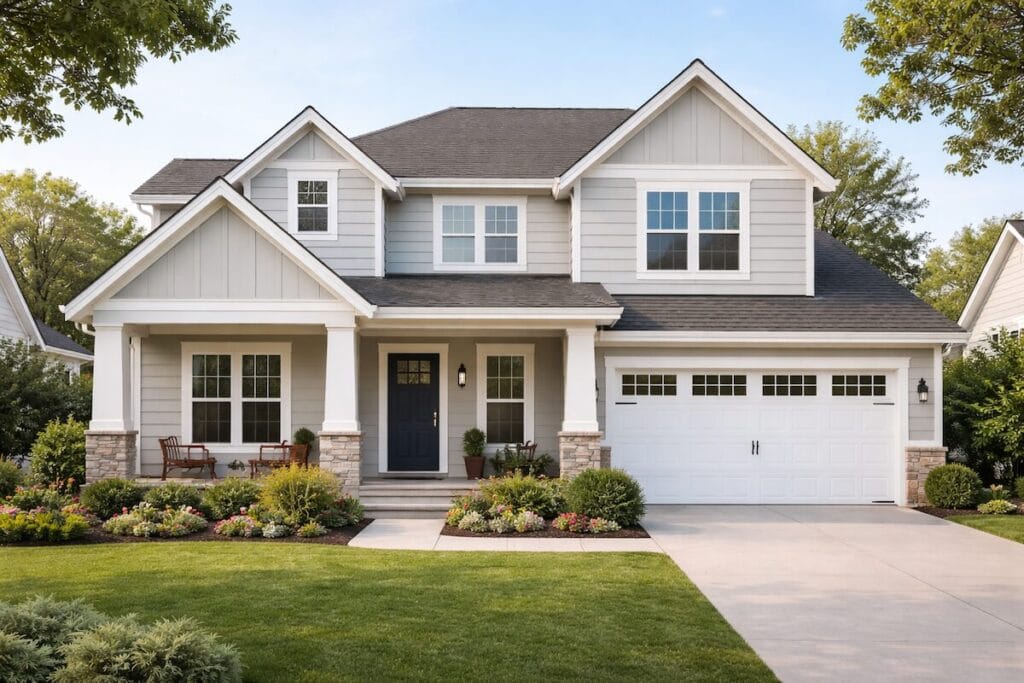
Pricing your home correctly is one of the most important — and most stressful — decisions you’ll make when selling. In today’s Tulsa market, the stakes feel even higher. Buyers are more informed, inventory has shifted compared to the past few years, and pricing mistakes can cost sellers both time and money. Whether you’re a move-up buyer preparing to sell, a downsizer planning your next chapter, or a homeowner simply testing the waters, understanding how pricing works right now matters.
How to Price Your Home to Sell in Tulsa in Today’s Market
Many sellers assume pricing is about finding a number somewhere in the middle. In reality, pricing a home to sell in Tulsa requires strategy, timing, and a deep understanding of how buyers behave in specific neighborhoods like Broken Arrow, Bixby, Jenks, Owasso, and surrounding suburbs. What works in one zip code — or even one school district — may fall flat just a few miles away. Add in changing interest rates and shifting buyer expectations, and pricing becomes less about guesswork and more about precision.
One of the biggest challenges sellers face is separating emotion from market reality. Your home represents years of memories, upgrades, and life moments. Buyers, however, see it as one option among many. The price needs to reflect what today’s buyers are willing and able to pay, not what the home means to you or what a neighbor’s house sold for last year.
This guide walks through how to price your home to sell in Tulsa in a way that attracts serious buyers, creates momentum, and protects your bottom line. We’ll look at how the current Tulsa housing market affects pricing decisions, why overpricing is riskier than many sellers realize, and how move-up buyers and downsizers should approach strategy differently. The goal is clarity — so you can make confident decisions, not rushed ones.
Why Pricing Matters More Than Ever in the Tulsa Housing Market
In any market, price matters. In today’s Tulsa housing market, it matters more than many sellers expect. Buyers are watching the market closely, tracking price reductions, and comparing homes online long before they ever schedule a showing. The moment your home hits the market, buyers begin forming opinions based mainly on price.
In Tulsa and nearby suburbs, pricing now plays a significant role in how quickly a home gets attention. Homes that are priced correctly tend to generate early interest, while overpriced homes often sit longer and require reductions later. Once a listing becomes “stale,” buyers start to wonder what’s wrong — even if nothing is. That perception can be difficult to reverse.
Interest rates have also changed how buyers think about affordability. Even minor price differences can affect monthly payments enough to push buyers out of their comfort zone. As a result, buyers are more price-sensitive than they were during ultra-competitive years. Pricing a home just slightly above market value can significantly reduce your buyer pool.
Local market conditions vary widely across Tulsa-area communities. A pricing strategy that works in Jenks may not work the same way in Owasso or Bixby. School districts, commute patterns, and housing inventory all influence buyer demand. Pricing your home in the Tulsa housing market requires understanding these micro-markets, not just citywide averages.
Finally, pricing sets the tone for negotiations. A well-priced home often receives cleaner offers with fewer concessions. An overpriced home invites aggressive negotiations, repair demands, and longer closing timelines. Getting the price right from the start gives you more control throughout the selling process.
How Buyers Actually Determine Value (And Why Sellers Often Misjudge It)
Many sellers believe buyers determine value by looking at list prices or recent market headlines. In reality, buyers form value judgments by comparison. They look at available homes, recently sold properties, and how your home stacks up in terms of condition, layout, and location. Price is the filter that determines whether your home even makes it onto their short list.
Online searches reinforce this behavior. Buyers set price ranges before they ever see a home in person. If your home is priced just above standard search thresholds, it may never appear in search results. This is one of the most overlooked pricing mistakes sellers make in the Tulsa market.
Another factor sellers often underestimate is how quickly buyers notice inconsistencies. If your home is priced like a fully updated property but still has original finishes, buyers will mentally discount it. On the other hand, if your home is priced appropriately for its condition, buyers are more likely to view it as a fair opportunity rather than a compromise.
Sellers also tend to anchor on the highest sale they can find. Buyers anchor on alternatives. They ask, “What else can I get for this price?” If the answer includes homes that feel newer, better-located, or more move-in-ready, your home loses leverage.
Understanding this mindset is essential to pricing your home to sell in Tulsa. Pricing isn’t about proving value — it’s about aligning with how buyers already think. When price and perception match, buyers move faster and with more confidence.
The Risk of Overpricing: What It Really Costs You
Overpricing is one of the most common — and costly — mistakes sellers make. In today’s Tulsa market, overpricing rarely results in “testing the market.” Instead, it often leads to fewer showings, slower momentum, and lower final sale prices. The market tends to punish hesitation.
When a home is overpriced, it misses the critical early window when buyer interest is highest. The first two to three weeks are when serious buyers are most closely watching. If your home doesn’t attract attention during that time, it often becomes less desirable, even after a price reduction.
Price reductions can also signal weakness. Buyers may assume you’re now more negotiable or that there’s an underlying issue. This often results in lower offers than if the home had been priced correctly from the start. What feels like a small pricing cushion upfront can turn into a much larger concession later.
Overpricing also affects move-up buyers in particular. If you’re relying on the sale of your current home to purchase your next one, delays can disrupt your entire plan. Missed timing, lost opportunities, and added stress often trace back to pricing decisions made early on.
In many Tulsa-area neighborhoods, correctly priced homes still sell efficiently. The key difference is strategy, not luck. Pricing to sell means positioning your home where buyers already see value — not waiting for them to come around.
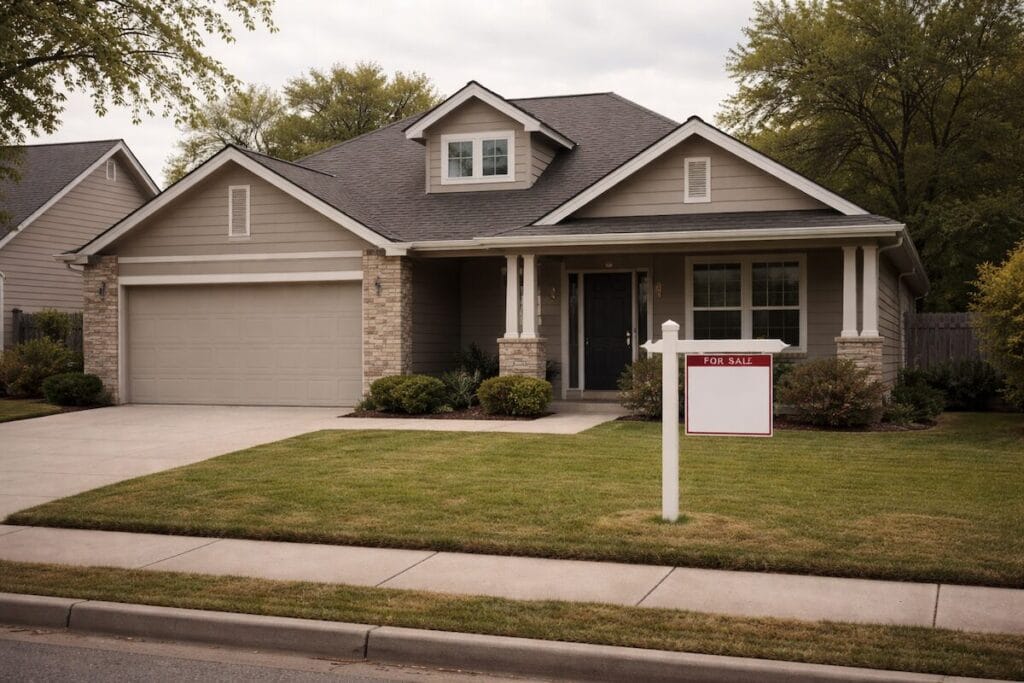
Underpricing: When It Works and When It Backfires
While overpricing gets most of the attention, underpricing can be risky as well. Some sellers intentionally price low, hoping to spark a bidding war. In specific Tulsa neighborhoods and price points, this can work — but it’s far from guaranteed. The strategy depends heavily on current inventory, buyer demand, and condition.
Underpricing tends to be most effective when inventory is extremely limited and buyer demand is strong. Even then, it requires careful timing and strong presentation. If the market isn’t primed for competition, underpricing may lead to lower offers, leaving sellers without the upside they expect.
Another risk of underpricing is buyer skepticism. Some buyers assume a low price indicates hidden problems. Instead of generating excitement, it can raise questions that slow momentum. This is especially true in higher-end Tulsa suburbs where buyers expect pricing to reflect quality and stability.
For downsizers, underpricing can have lasting consequences. Selling below market value may limit options for your next purchase or reduce long-term financial flexibility. What feels like a fast win can become a missed opportunity over time.
The most effective Tulsa home pricing strategy for 2026 isn’t about extremes. It’s about precision. Pricing slightly below market can work in specific scenarios, but it should always be intentional — not reactive.
How Local Tulsa Conditions Shape Pricing Strategy
Pricing your home to sell in Tulsa requires more than general market knowledge. Local conditions vary by neighborhood, school district, and even street. Understanding these differences helps you avoid pricing based on outdated or irrelevant data.
For example, Broken Arrow often sees different buyer behavior than Midtown Tulsa. Bixby and Jenks attract many move-up buyers who prioritize schools and newer construction. Owasso may see stronger demand for specific price ranges tied to commute patterns. These nuances matter when determining how buyers perceive value.
Seasonality also plays a role. While homes sell year-round in Tulsa, buyer urgency fluctuates. Pricing strategies that work in spring may not perform the same way in late summer or early winter. A December or January listing, especially heading into 2026, needs to be priced with realistic expectations about buyer activity.
New-construction incentives can also affect resale pricing. When builders offer interest-rate buy-downs or closing-cost assistance, resale homes must compete more aggressively on price. Ignoring this factor can lead to overpricing relative to available alternatives.
Local data matters, but interpretation matters more. Pricing based solely on averages or national headlines can lead sellers astray. The most successful pricing strategies reflect what buyers are doing right now in your specific area.

Pricing Considerations for Move-Up Buyers
Move-up buyers face a unique challenge when pricing their home. You’re not just selling — you’re coordinating two major financial decisions at once. Pricing your current home correctly can determine how smoothly your next purchase unfolds.
Many move-up sellers are tempted to price high to “protect” equity. While understandable, this approach often backfires. If your home doesn’t sell quickly, you may miss out on the home you want to buy. In competitive segments of the Tulsa market, timing matters as much as price.
Another consideration is bridging the gap between transactions. A realistic pricing strategy can shorten your time on market, making it easier to align closing dates. Overpricing increases uncertainty and can force rushed decisions later.
Move-up buyers also need to consider how their home compares to newer construction. Buyers shopping in the same price range will compare your home to new builds offering incentives. Pricing needs to reflect those options honestly.
The goal isn’t to undercut your value — it’s to create momentum. A strong Tulsa home pricing strategy for 2026 helps move-up buyers sell confidently while positioning themselves well for their next purchase.
Pricing Considerations for Downsizers in the Tulsa Market
Downsizers often approach pricing with a different mindset than move-up buyers, and that can affect strategy in subtle ways. Many downsizers have significant equity and less financial pressure to sell quickly. While that flexibility can be helpful, it can also lead to pricing decisions that slow the process unnecessarily.
One common misconception among downsizers is that they can afford to “wait it out” at a higher price. In reality, time on market still matters. Even if you are not in a rush, buyers will still interpret extended market time as a signal that something is off. That perception can lead to lower offers later, even when urgency is low on the seller’s side.
Downsizers also tend to underestimate how buyer preferences have changed. Homes with larger footprints, formal layouts, or dated finishes may not command the same premiums they once did. Pricing needs to reflect how today’s Tulsa buyers use space, not just square footage or lot size.
Another key factor is what comes next. Many downsizers are planning to purchase a smaller home, move to a patio home, or relocate closer to family. Pricing your home realistically helps protect your purchasing power and reduces the risk of being caught between transactions. A smooth sale creates more options, even when timing is flexible.
The most effective pricing strategy for downsizers balances patience with realism. Pricing your home to sell in Tulsa doesn’t mean rushing — it means aligning with buyer expectations so the process stays calm and predictable.
👉 If you’re curious what your home might realistically sell for in today’s Tulsa market, you can get a quick home value estimate here. It’s a helpful starting point before making any pricing decisions.
How Comparable Sales Really Work (And Where Sellers Go Wrong)
Comparable sales, or “comps,” are the foundation of pricing — but they’re also one of the most misunderstood tools. Many sellers assume comps are simple: find a nearby home with a similar size and use that price. In practice, comps require context, judgment, and adjustment.
The most common mistake sellers make is relying on outdated sales. A home that sold six or nine months ago may not reflect today’s Tulsa housing market. Buyer demand, interest rates, and inventory levels shift over time. Pricing based on old data can push your home out of alignment with current conditions.
Another issue is cherry-picking the highest sales. Sellers often gravitate toward the best-looking number, even if that home was fully remodeled or located on a premium lot. Buyers notice these differences immediately. If your home doesn’t match those features, buyers won’t accept the same price.
Active listings matter just as much as sold homes. Buyers compare your home to what else they can buy right now. If similar homes are listed for less, your pricing strategy needs to account for that competition. Ignoring active listings is one of the fastest ways to overprice.
Finally, micro-location plays a massive role in Tulsa-area pricing. A home on a quiet cul-de-sac may price differently from one on a busier street, even within the same neighborhood. Comps should be close in distance, similar in layout, and recent enough to reflect current buyer behavior.
Price Per Square Foot: Helpful or Misleading?
The price per square foot is often used as a shortcut, but it can be misleading when applied incorrectly. While it offers a rough benchmark, it should never be the sole method for pricing your home to sell in Tulsa. Homes are not interchangeable products, even when square footage is similar.
Smaller homes often have a higher price per square foot, while larger homes may have a lower one. This doesn’t mean the larger home is undervalued. It reflects how buyers allocate value across space, layout, and usability.
Condition also matters significantly. Updated kitchens, modern flooring, and energy-efficient features can justify higher pricing even if square footage is similar. Conversely, homes that need updates may struggle to reach average price-per-square-foot levels.
Location further complicates the metric. A home near desirable schools, shopping, or commuter routes may command a premium that price-per-square-foot averages fail to capture. Buyers factor these elements into perceived value, even if the math looks similar.
Price per square foot works best as a supporting tool. When combined with comps, buyer behavior, and local context, it can help fine-tune pricing. Used alone, it often oversimplifies a complex decision.
Using Market Momentum to Your Advantage
Momentum plays a decisive role in home pricing. When a home launches at the right price, it often creates urgency. Buyers act faster, offers come in cleaner, and negotiations feel more balanced. This effect is especially noticeable in the Tulsa market when pricing aligns with demand.
Early showings are a key indicator. Strong activity in the first week usually means price and presentation are working together. Limited interest early on often points to pricing friction rather than marketing failure.
Price reductions reset momentum only partially. While they can bring buyers back, they rarely recreate the excitement of a strong launch. Buyers who watched the home sit may return with lower expectations and stronger negotiating positions.
This is why pricing strategy should be proactive, not reactive. Adjusting price after weeks on the market often costs more than pricing correctly from the start. Momentum is easiest to build early and hardest to rebuild later.
For sellers in Tulsa and surrounding suburbs, momentum is one of the most valuable — and fragile — assets in the selling process. Pricing decisions either support it or work against it.

Optional Pricing Comparison Table
The table below illustrates how different pricing approaches can affect outcomes. This is not a guarantee, but a general framework based on common market behavior.
| Pricing Approach | Buyer Response | Time on Market | Negotiation Strength |
|---|---|---|---|
| Priced Above Market | Limited showings, cautious buyers | Longer | Weaker |
| Priced At Market | Substantial interest, steady traffic | Moderate | Balanced |
| Priced Slightly Below Market | High interest, potential competition | Shorter | Strong |
| Underpriced Aggressively | Mixed reactions, risk of undervaluing | Short | Variable |
This table works best when paired with local data and professional guidance. Pricing is never one-size-fits-all.
Common Seller Fears That Lead to Pricing Mistakes
Fear plays a bigger role in pricing than many sellers realize. One common fear is leaving money on the table. Sellers worry that pricing too low means missing out, even when data suggests otherwise. In practice, homes priced correctly often sell closer to market value than overpriced homes after reductions.
Another fear is regret. Sellers worry they’ll look back and wonder if they could have gotten more. This often leads to starting high “just to see.” Unfortunately, the market rarely rewards this approach, especially in a more balanced Tulsa housing market.
Some sellers fear that pricing competitively signals desperation. In reality, buyers view realistic pricing as a sign of confidence. It shows that the seller understands the market and is serious about selling.
There’s also fear around feedback. Pricing lower can invite more showings, which means more opinions. While feedback can feel uncomfortable, it provides valuable insight early — when adjustments are easier to make.
Acknowledging these fears helps sellers make clearer decisions. Pricing your home to sell in Tulsa works best when guided by strategy, not anxiety.
👉 Pricing works best when presentation supports it. If you want a simple checklist to help your home show well at its price point, this staging guide can help you focus on what actually matters.
Frequently Asked Questions About Pricing a Home in Tulsa
How often should I adjust the price if my home isn’t getting showings?
If your home has limited activity in the first two to three weeks, pricing should be reevaluated. In the Tulsa market, early feedback is one of the clearest signals. Waiting too long to adjust can reduce momentum and increase buyer skepticism.
Should I price higher to leave room for negotiation?
In most cases, pricing higher doesn’t lead to better outcomes. Buyers already expect to negotiate, and inflated pricing often limits initial interest. A realistic price tends to attract stronger offers with fewer concessions.
Does seasonality affect how I should price my home?
Yes, seasonality matters. Buyer activity tends to be higher in spring and early summer, but homes sell year-round in Tulsa. Pricing outside peak seasons should reflect slightly more conservative buyer behavior without overcorrecting.
How do upgrades affect pricing?
Upgrades matter most when they align with buyer preferences. Kitchens, bathrooms, flooring, and major systems tend to carry more weight than cosmetic changes. Not all upgrades return full value, so pricing should reflect market response rather than cost.
Can online estimates help me price my home?
Online estimates can provide a starting point, but they often miss local nuances. They don’t account well for condition, micro-location, or current competition. Pricing decisions should be grounded in local data and buyer behavior.
Final Thoughts: Pricing With Confidence in Today’s Tulsa Market
Pricing your home correctly is about clarity, not guesswork. In today’s Tulsa market, buyers are informed, selective, and quick to compare options. A thoughtful pricing strategy helps your home stand out for the right reasons.
Whether you’re a move-up buyer coordinating two transactions or a downsizer planning your next stage, pricing affects every part of the process. It influences timing, negotiations, and ultimately how smoothly your sale unfolds. Getting it right up front creates more flexibility and less stress later.
The most successful sellers focus on alignment — between price, condition, location, and buyer expectations. They understand that pricing is not a statement of worth, but a strategic decision designed to attract the right buyer at the right time.
If you’re looking for additional guidance, resources like Selling a Home in Tulsa, Buying a Home in Tulsa, and Tulsa Housing Market Updates can help you understand how current conditions impact your next move. For personalized advice, a tailored pricing review can bring clarity without pressure and help you move forward with confidence.
When you’re ready, the right strategy makes all the difference.