
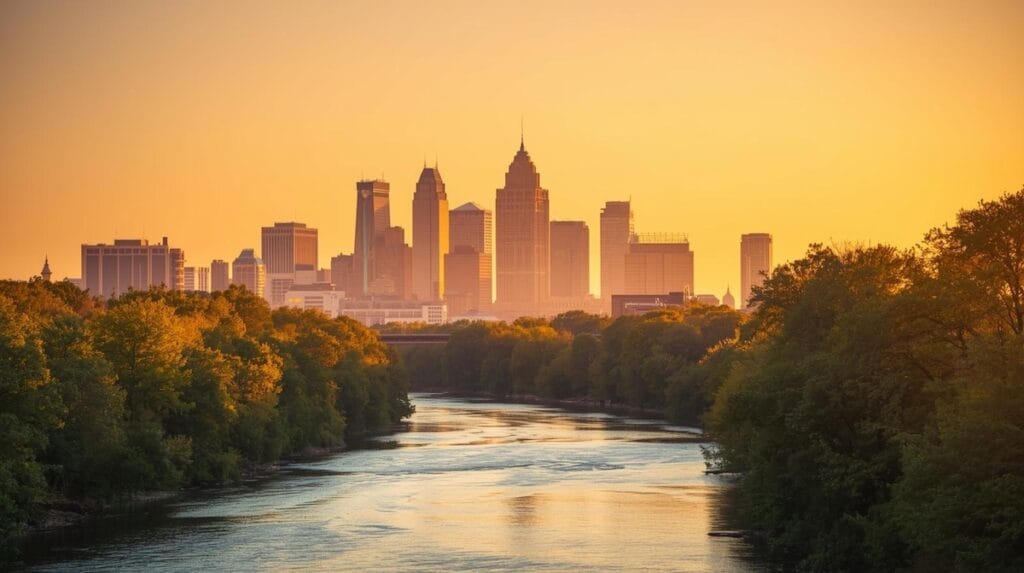
Tulsa has a way of surprising people. Many who visit for the first time expect a small, quiet town—and instead discover a vibrant mid-sized city with welcoming neighborhoods, a thriving food and arts scene, and some of the most affordable housing in the country. Over the past decade, Tulsa has steadily grown into a community that blends modern amenities with a friendly, down-to-earth atmosphere. Newcomers often describe the city as “big enough to have everything you need but small enough to feel comfortable right away.”
If you’re considering Relocation and Moving to Tulsa, you’re in good company. Thousands of families, downsizers, remote workers, health care professionals, and young adults move here each year seeking a slower pace, lower cost of living, and a better balance between work and everyday life. Many people relocate from states with heavy traffic, long commutes, and rising housing costs—only to discover that Tulsa offers more space, more calm, and more opportunity than they expected.
People are also drawn to the lifestyle. Tulsa has a strong sense of community—neighbors talk to each other, local festivals fill the calendar, and it’s common to run into someone you know at the farmers market, Rose District events, or high school football games. Whether you want the walkable feel of Midtown, the newer developments of South Tulsa, or the family-friendly suburbs like Broken Arrow and Bixby, you’ll find a neighborhood that matches your pace and priorities.
This guide breaks down everything you need to know—from neighborhoods and cost of living to weather, lifestyle, and everyday essentials—so your transition feels calm, confident, and informed. Whether you’re still exploring or already packing boxes, this comprehensive resource will help you understand what life in Tulsa really looks like.
Why People Are Relocating to Tulsa
Tulsa consistently ranks as one of the most affordable and livable cities in the U.S. While affordability draws many people here initially, most stay because of the lifestyle. Tulsa offers a blend of wide-open outdoor spaces, family-focused suburbs, and a growing entertainment and restaurant scene.
Here are the most common reasons newcomers make the move:
Manageable Traffic and Short Daily Commutes
Most people can cross town in 20–30 minutes—something nearly unheard of in larger metro areas. This shorter commute often adds hours back into a family’s week.
Affordable Homes and Larger Lot Sizes
Tulsa stands out for its wide range of home prices, lot sizes, and architectural styles. Whether you want a Midtown bungalow, a new-construction home in Bixby, or acreage outside Coweta or Sapulpa, you’ll find options that may cost far less than comparable homes in bigger cities.
A Growing Job Market
Tulsa’s employment landscape has expanded well beyond aerospace and energy. Health care, education, technology, and remote work opportunities are bringing new talent to the region each year.
Strong Suburban School Districts
Districts like Jenks, Bixby, Owasso, and Broken Arrow appeal to families relocating for academic programs, athletics, and community support.
Arts, Music, Festivals, and Community Events
Tulsa is known for cultural experiences like live music at Cain’s Ballroom, festivals in the Rose District, art shows, food truck nights, and holiday events throughout the city.
Wide Open Green Spaces and Nearby Lakes
From the Gathering Place to Turkey Mountain Urban Wilderness, outdoor lovers appreciate the city’s mix of nature trails, parks, and lakes within a short drive.
Mild Cost of Living Compared to Major U.S. Cities
Everyday expenses—from groceries to daycare—tend to be more manageable than in many comparable metro areas.
1. Getting to Know Tulsa: The Essentials
Where Tulsa Is Located
Tulsa sits in northeast Oklahoma along the Arkansas River. This part of the state is known for rolling hills, wooded landscapes, and easy access to lakes and outdoor recreation. The geography gives Tulsa a slightly different feel from the flat plains that many people associate with Oklahoma.
The city is surrounded by suburbs that each have their own identity—Broken Arrow, Bixby, Jenks, and Owasso being the largest. You can enjoy city conveniences one minute and peaceful walking trails, fishing spots, or neighborhoods with acreage just minutes away.
Tulsa’s Personality
Most newcomers describe Tulsa as friendly, approachable, and community-centered. Neighbors wave when you drive by, people chat in line at coffee shops, and it’s not unusual to meet new friends at a farmers market or kids’ sports event.
The lifestyle is relaxed but never boring. There are seasonal festivals, outdoor concerts, minor league baseball games, and events in almost every suburb. Downtown Tulsa hosts art walks, concerts at Guthrie Green, food truck gatherings, and other activities that draw people from all over the metro.
Tulsa strikes a balance: slow enough to feel comfortable, busy enough to feel interesting.
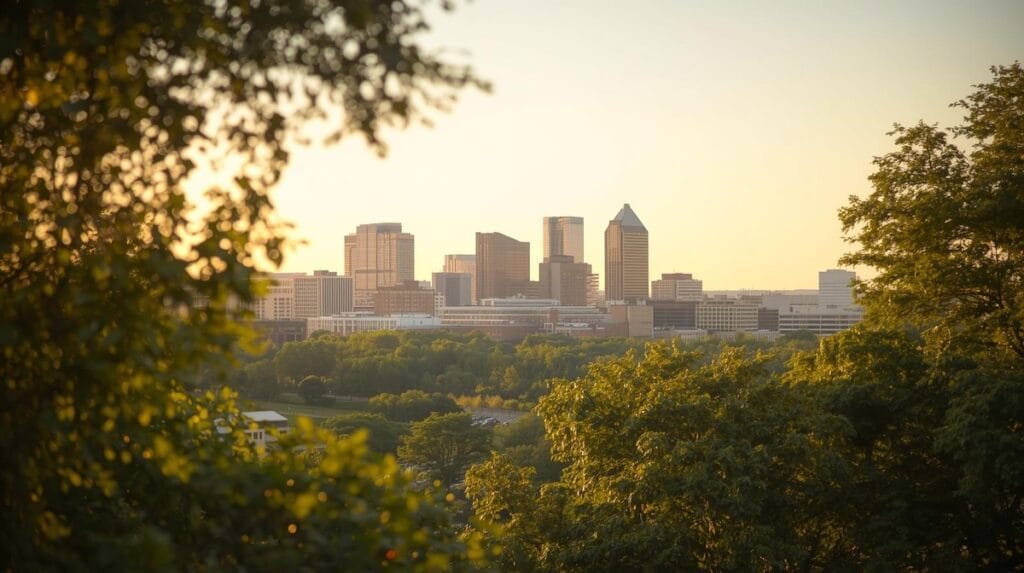
2. Cost of Living: What to Expect When Moving to Tulsa
Tulsa’s affordability is one of its biggest advantages, especially for people relocating from the coasts or larger metro areas.
Housing Affordability
Housing prices in Tulsa remain lower than many parts of the country, and you often get more square footage, larger yards, and modern features for the same budget. This applies to buyers and renters alike.
You’ll find:
-
Larger homes for your budget
-
Lower property taxes than many states
-
Affordable rent compared to most metros
-
A wide range of options: new construction, mid-century homes, luxury properties, and acreage
For people coming from Denver, Dallas, Austin, Chicago, Phoenix, or Los Angeles, the price difference is often substantial. Many newcomers are able to buy a home for the first time—or buy a larger home than they expected—because of Tulsa’s affordability.
Utilities and Everyday Spending
Utility costs vary by season, but overall, Oklahoma’s rates fall below the national average. Summer electric bills can be higher due to air conditioning, but winter heating costs are typically low.
Everyday expenses like groceries, gas, and transportation are also lower than in many major cities, which makes budgeting easier for families, retirees, and young professionals.

3. Tulsa Neighborhoods and Surrounding Communities
Choosing the right neighborhood is one of the most important parts of Relocation and Moving to Tulsa. Each area offers its own lifestyle, amenities, and feel.
Below are the regions most popular with newcomers:
Tulsa Proper
Ideal for people who want convenience and character. Midtown Tulsa, Brookside, Maple Ridge, Florence Park, and the Utica Square area offer mature trees, historic homes, and great walkability.
Expect:
-
Sidewalk-lined streets
-
Close proximity to restaurants, coffee shops, and parks
-
A blend of renovated and historic homes
-
A strong, established community feel
South Tulsa
Known for quiet neighborhoods, newer construction, and strong school districts. Popular areas span from 91st Street to 121st Street and into community pockets served by Jenks and Bixby Schools.
Expect:
-
Newer subdivisions
-
Gated communities
-
Walking trails and planned neighborhoods
-
Convenient access to Highway 169 and the Creek Turnpike
Broken Arrow
A top pick for relocators because of its strong schools, affordable home prices, and vibrant Rose District. It offers a mix of established subdivisions, brand-new neighborhoods, and acreage properties outside the city center.
Expect:
-
Family-friendly events
-
Parks, playgrounds, and walking trails
-
A variety of home styles and price points
-
Excellent schools and community involvement
Owasso
A thriving northern suburb known for shopping, dining, and well-planned developments.
Great for:
-
Commuters
-
Military families from the nearby Air National Guard base
-
People wanting suburban neighborhoods with newer homes
Jenks
One of the fastest-growing suburbs due to its top-rated school district and proximity to the Arkansas River.
Expect:
-
Luxury homes and gated communities
-
Master-planned developments
-
Easy access to Tulsa Hills shopping, the Oklahoma Aquarium, and South Tulsa amenities
Coweta, Sand Springs, and Sapulpa
These communities offer more space, lower density, and a quieter pace. Many people who want room to garden, build workshops, or enjoy a rural lifestyle choose these areas.
Expect:
-
Larger lots
-
Acreage homes
-
Quiet living with easy access to Tulsa
-
A slower, more peaceful pace of life
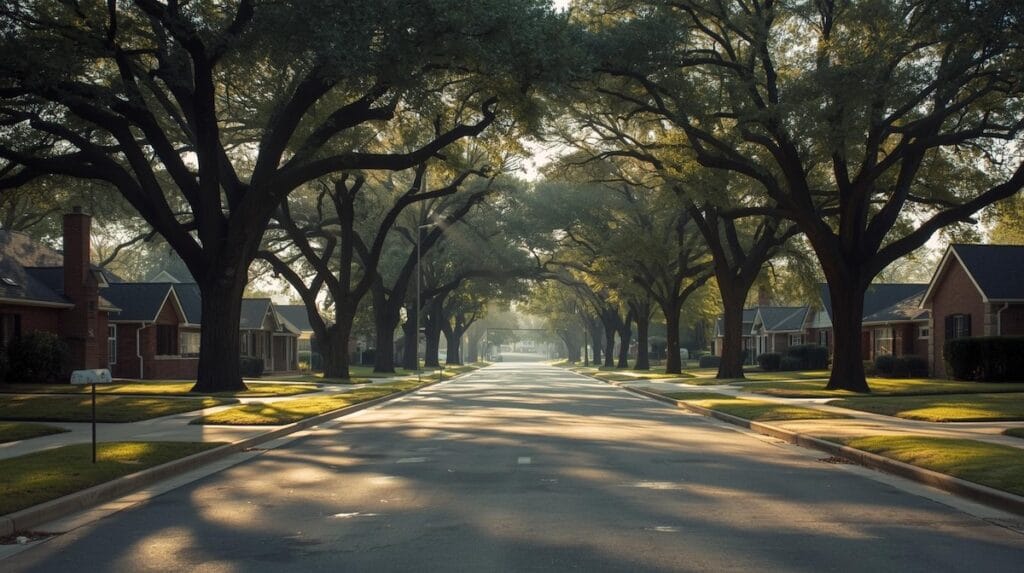
4. Tulsa Housing Market Basics for Relocators
Housing is a major part of the relocation process, and Tulsa offers a mix of opportunities.
Homes Move Quickly
In areas like Broken Arrow, Bixby, Jenks, and Owasso, homes—especially those under certain price points—tend to move fast. Buyers benefit from being prepared before touring.
Pre-Approval Matters
Sellers want buyers who are ready to act. Reviewing your price range early gives clarity and confidence.
Helpful resource:
HOW MUCH HOUSE CAN I AFFORD IN THE TULSA METRO AREA?
(https://deborahsellstulsa.com/how-much-house-can-i-afford-in-tulsa/)
Local Home Styles
Tulsa’s architectural mix includes:
-
Brick ranch homes
-
New-construction builds with open layouts
-
Gated communities with amenities
-
Mid-century properties
-
Craftsman-inspired homes
-
Acreage properties with space to expand
How Local Offers Work
Understanding negotiation expectations, inspections, and timelines is essential.
Helpful resource:
👉 10 THINGS EVERY TULSA HOME BUYER SHOULD KNOW BEFORE MAKING AN OFFER ON HOUSE TULSA
5. Weather and Seasons: What Newcomers Should Know
Tulsa has four distinct seasons, each with its own charm and rhythm.
Spring
Mild temperatures, blooming redbuds and dogwoods, outdoor festivals, and the start of patio weather. Thunderstorms are normal this time of year.
Summer
Hot, sunny, and perfect for pool days or lake weekends. Outdoor concerts and events run well into the evening.
Fall
A favorite season for many locals. Comfortable days, crisp evenings, fall colors, and busy event schedules across the metro.
Winter
Typically mild with occasional cold snaps. Snowfall happens but rarely sticks for long. People relocating from northern climates often find winters far more manageable here.
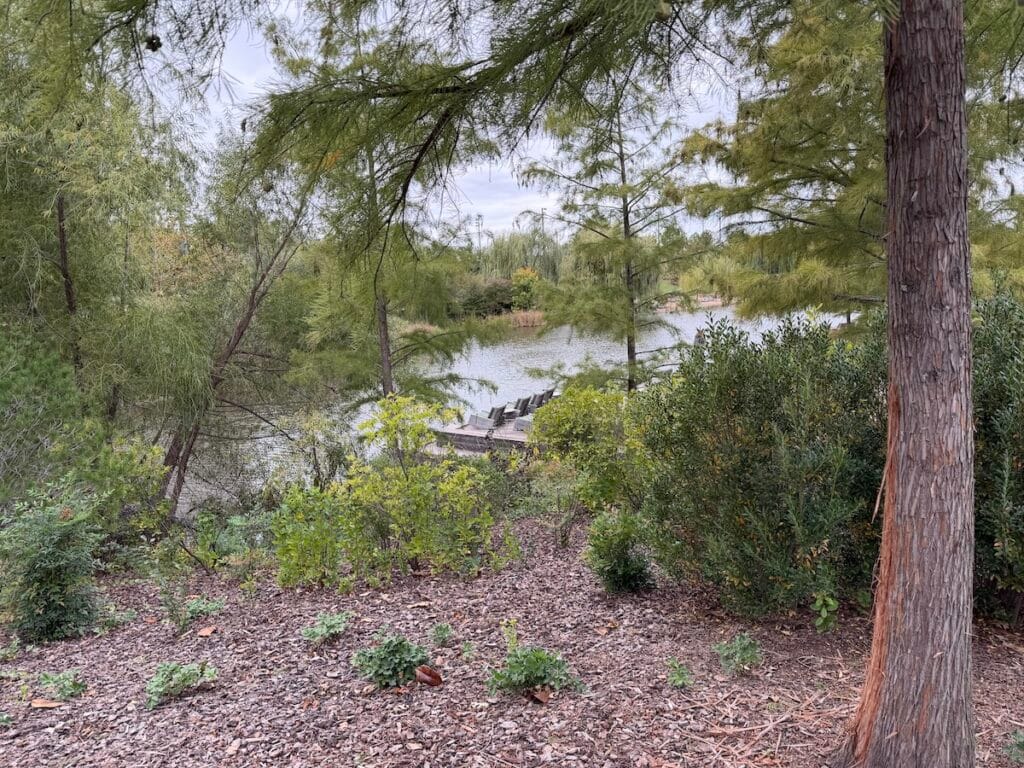
6. Schools and Education Options
The Tulsa metro offers a variety of educational paths, from strong public districts to private and charter options.
Top suburban districts include:
-
Bixby
-
Jenks
-
Broken Arrow
-
Owasso
Families often choose neighborhoods based on:
-
School performance
-
Athletic and arts programs
-
Class sizes
-
Community involvement
-
Access to extracurriculars
Private School Options
-
Holland Hall
-
Cascia Hall
-
Metro Christian Academy
-
Lincoln Christian Schools
Additional Options
Tulsa also has early-learning centers, charter schools, magnet programs, and STEM-focused academies for specialized learning.
7. Job Market and Major Employers
Tulsa’s economy has evolved significantly over the past 20 years. While the city still has strong roots in the energy industry, today’s job market is far more diverse, offering opportunities across a wide range of professional fields. Many people relocating to Tulsa are surprised by the number of stable, well-paying positions available—along with the benefit of shorter commutes and lower living costs.
A Diverse and Expanding Job Market
Major employment sectors now include:
-
Aerospace – American Airlines maintains one of the largest commercial aviation maintenance facilities in the world here.
-
Healthcare – Hospitals and clinics continue to expand across the metro area.
-
Technology – Tulsa’s tech scene has grown rapidly, fueled by startups, innovation districts, and remote workers.
-
Energy – While not as dominant as decades past, oil and gas companies remain key employers.
-
Finance – Banking, insurance, and accounting firms play an important role in the regional economy.
-
Education – Public and private schools, colleges, and universities employ thousands.
-
Manufacturing – Tulsa has a strong base in advanced manufacturing, aerospace parts, and industrial production.
Major Employers in the Tulsa Region
Some of the largest and most well-known employers include:
-
Saint Francis Health System
-
ONEOK
-
QuikTrip Corporate Headquarters
-
Tulsa Public Schools and suburban school districts
-
American Airlines Maintenance Base
-
Williams Companies
-
Hilti North America
-
OU-Tulsa and OSU Center for Health Sciences
These employers attract talent from across the country due to competitive wages, growing industries, and stable long-term career paths.
If you’re searching for current job openings, research the City of Tulsa’s employment resources: https://www.cityoftulsa.org
8. Things to Do: Tulsa’s Lifestyle and Recreation
One of the biggest benefits of relocating to Tulsa is the lifestyle. Whether you love the outdoors, dining out, exploring local shops, attending concerts, or enjoying seasonal events, Tulsa offers something for everyone. The mix of urban experiences and natural surroundings creates a balanced, enjoyable way of life.
Outdoor Spaces
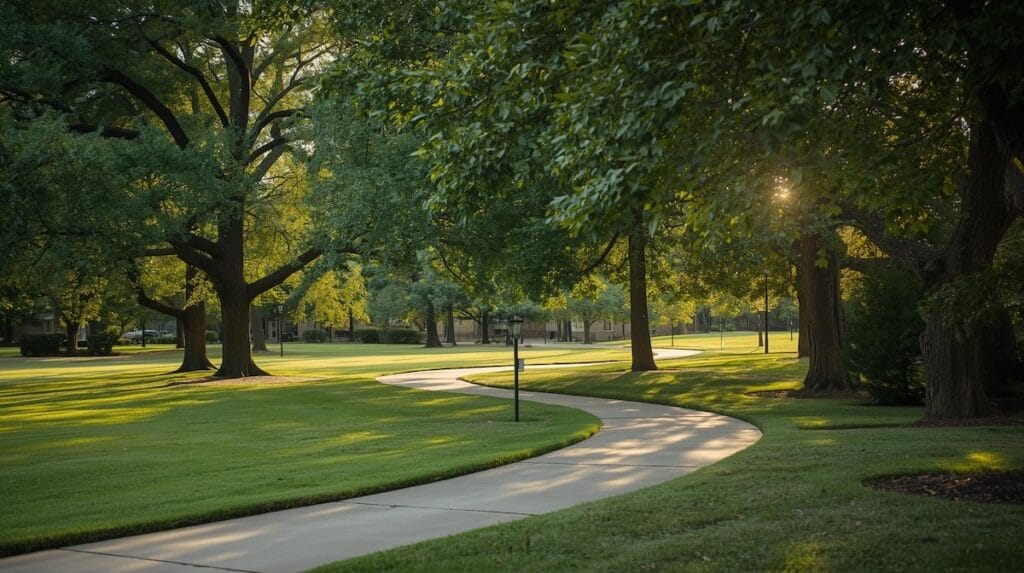
Tulsa’s parks and trails are a major draw for newcomers. Some local favorites include:
-
Gathering Place – A national award-winning park with playgrounds, walking paths, boating, gardens, cafes, and year-round events.
-
Turkey Mountain Urban Wilderness – Miles of hiking and biking trails overlooking the Arkansas River.
-
River Parks Trails – Paved trails perfect for walking, running, or biking.
-
Bixby’s Bentley Park – Splash pads, sports fields, and family-friendly spaces.
-
Broken Arrow’s Ray Harral Nature Center – Walking trails and nature exhibits tucked into a peaceful wooded area.
Arts and Culture
Tulsa’s cultural scene is vibrant and growing, offering entertainment for all ages:
-
Philbrook Museum of Art
-
Woodward Park and Gardens
-
Tulsa Performing Arts Center
-
Cain’s Ballroom – A historic music venue known throughout the U.S.
-
The BOK Center – Hosting concerts, sports, and major touring events
Between museum exhibits, touring Broadway shows, local theater, and concerts by major artists, there’s always something happening.
Local Favorites
Tulsa has a strong community culture, and many residents enjoy gathering at:
-
Food Truck Wednesdays at Guthrie Green
-
Festivals in the Broken Arrow Rose District
-
Summer concerts at outdoor venues
-
Fall and Christmas light displays throughout the metro
-
Saturday farmers markets in Cherry Street and Broken Arrow
Each season brings new events—pumpkin patches in the fall, ice skating in the winter, and outdoor concerts as soon as the weather warms up.
Nearby Lakes
Many locals head to the water for weekend getaways. Popular lake destinations include:
-
Grand Lake
-
Lake Eufaula
-
Lake Fort Gibson
These lakes are perfect for boating, fishing, kayaking, paddleboarding, and renting cabins for family trips or quiet retreats.
9. Daily Life: Tulsa’s Community Feel
People often comment that Tulsa “feels like home” almost immediately. The community atmosphere is one of the biggest reasons relocating families feel comfortable so quickly.
Here’s what many newcomers notice within their first few months:
-
Neighbors help each other. It’s common to borrow tools, share advice, or chat over the fence.
-
Kids play outside more often. Many neighborhoods have sidewalks, parks, and open spaces.
-
Community events are well-attended and family-friendly. Festivals, concerts, and holiday gatherings bring people together.
-
Sunday afternoons are quiet and relaxed. Local businesses stay steady, but the atmosphere slows down.
-
Local sports bring everyone together. High school football and regional sports have strong community support.
-
Roads are easier to navigate than larger metros. Fewer bottlenecks and shorter wait times create a calmer driving experience.
-
Drive-thru coffee shops are everywhere. From national chains to local favorites, coffee culture runs strong here.
This sense of connection is a major reason people who relocate to Tulsa end up staying long-term.
10. Transportation and Commute Times
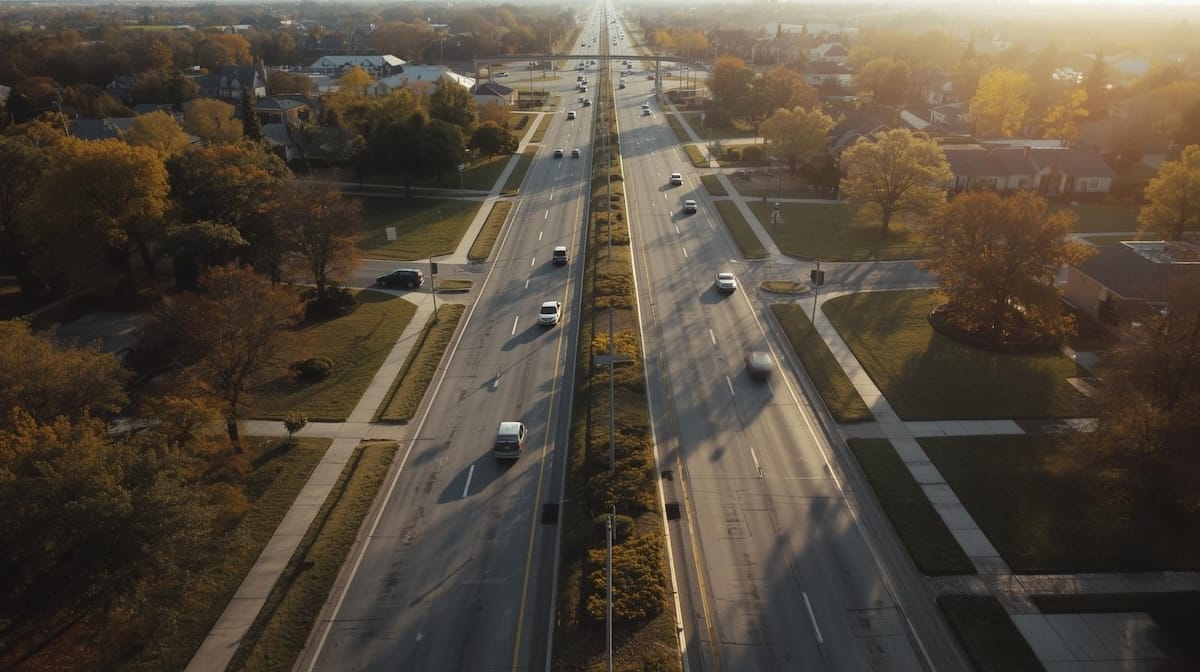
Tulsa is well-known for being easy to navigate. Traffic rarely reaches the levels seen in larger cities, and most daily drives are quick and predictable.
Typical Commute Times
Most people can travel across the entire city in 20–30 minutes, even during peak hours.
Here are common commute patterns:
-
South Tulsa ↔ Downtown: 20–25 minutes
-
Broken Arrow ↔ Downtown: 20 minutes
-
Owasso ↔ Downtown: 20–25 minutes
-
Bixby ↔ Midtown: 18–22 minutes
Highways like Highway 169, the BA Expressway, and the Creek Turnpike make travel between suburbs simple and consistent.
Tulsa International Airport
The airport is another convenient feature of life here:
-
Easy parking
-
Simple check-in and security
-
Less congestion than larger airports
This is ideal for professionals who travel or families visiting out-of-state relatives.
11. Tips for a Smooth Move to Tulsa
Moving to a new city can feel overwhelming, but a few local insights can make the transition easier.
Here are practical suggestions to help you settle in confidently:
-
Visit neighborhoods at different times of day. Traffic, lighting, and activity levels change throughout the day.
-
Research school enrollment timelines. Some districts fill quickly, especially early learning programs.
-
Understand local utility providers. You may need to contact multiple companies depending on your area.
-
Plan for hot summers by scheduling movers early in the day. Temperatures rise fast in July and August.
-
Use local Facebook groups for recommendations. They’re helpful for finding everything from babysitters to landscapers.
-
If renting first, begin your search early. Newer rentals in desirable areas get leased quickly.
-
Explore lakes and parks to learn the region. Getting familiar with outdoor areas helps narrow down where you want to live.
Knowing what to expect makes the entire Relocation and Moving to Tulsa process smoother.
12. Should You Rent First or Buy Right Away?
Both options work well in Tulsa, but each offers different benefits depending on your timeline and comfort level.
Renting First
Renting may be ideal if you:
-
Aren’t familiar with the neighborhoods
-
Want time to explore suburbs before committing
-
Need quick housing during a job transition
-
Prefer to understand school options before buying
Renting first can reduce pressure and give you more clarity.
Buying Right Away
Buying immediately may be better if you:
-
Want to lock in affordability
-
Prefer not to move twice
-
Already know which school district you want
-
Are relocating for a long-term job
Because Tulsa’s housing market remains competitive at certain price points, buying early can also protect you from rising demand.
Your choice will depend on your goals, budget, and the pace of your move.
Frequently Asked Questions
1. Is Relocation and Moving to Tulsa a good choice for families?
Yes. Families appreciate the strong suburban school districts, affordable homes, large parks, youth sports programs, and community-focused neighborhoods like Broken Arrow, Jenks, Bixby, and Owasso.
2. What should I know before Relocation and Moving to Tulsa from out of state?
Expect a lower cost of living, friendly neighbors, shorter commutes, four distinct seasons, and a variety of housing options. Tulsa offers a relaxed pace but still provides plenty of activities, events, and conveniences.
3. What are the best neighborhoods for newcomers?
It depends on your needs.
-
For schools: Bixby, Jenks, Broken Arrow, Owasso
-
For walkability: Midtown Tulsa
-
For new developments and amenities: South Tulsa
-
For larger lots or quieter living: Coweta, Sand Springs, Sapulpa
Ready to Explore Tulsa?
If you’re planning Relocation and Moving to Tulsa, I’m here to help you find the right neighborhood, understand the local market, and navigate the transition with confidence. Whether you’re buying now or simply gathering information, I can guide you through every step.
Start browsing available homes here:
Search Homes: https://tulsaokhomes.com/listing
Or reach out anytime for personalized guidance based on your goals.
Final Thoughts
Relocation and Moving to Tulsa doesn’t have to feel overwhelming. With the right information, a welcoming community, and a local expert by your side, your move can be smooth and enjoyable. Tulsa offers a balanced lifestyle—quiet neighborhoods, lively events, strong schools, and room to grow. Most newcomers discover that Tulsa feels like home faster than they expected, and many stay for the long-term lifestyle benefits.